
How to Change Your Enterotype
What happens to our gut flora microbiome when we’re on plant-based versus animal-based diets?
What happens to our gut flora microbiome when we’re on plant-based versus animal-based diets?

There appear to be just two types of people in the world: those who have mostly Bacteroides type bacteria in their gut, and those whose colons are overwhelmingly home to Prevotella species instead.

The microbiome revolution in medicine is beginning to uncover the underappreciated role our healthy gut bacteria play in nutrition and health.

If our body doesn’t register liquid calories as well, why are blended soups more satiating than the same ingredients eaten in solid form?
The consumption of animal fat appears to increase the growth of gut bacteria that turn our bile acids into carcinogens.
Certain gut bacteria can “retoxify” carcinogens that your liver successfully detoxified, but these bacteria can be rapidly suppressed by simple dietary changes.
Potential culprits include the trans fat in meat, the saturated fat, cholesterol, heme iron, advanced glycation end products (glycotoxins), animal protein (especially leucine), zoonotic viruses, and industrial pollutants that accumulate up the food chain.
We finally discovered why a single high-fat meal can cause angina chest pain.
Dr. Greger has scoured the world’s scholarly literature on clinical nutrition and developed this new presentation based on the latest in cutting edge research exploring the role diet may play in preventing, arresting, and even reversing some of our most feared causes of death and disability.
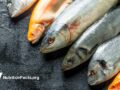
The mercury content in fish may help explain links found between fish intake and mental disorders, depression, and suicide.

PBDE fire-retardant chemicals in the food supply may contribute to attention and cognitive deficits in children.

The reversal of blindness due to hypertension and diabetes with Dr. Kempner’s rice and fruit diet demonstrates the power of diet to exceed the benefits of the best modern medicine and surgery have to offer.

What happened when the World Health Organization had the gall to recommend a diet low in saturated fat, sugar, and salt and high in fruit and vegetables?
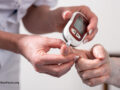
Saturated fat can be toxic to the insulin-producing beta cells in the pancreas, explaining why animal fat consumption can impair insulin secretion, not just insulin sensitivity.
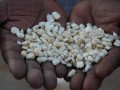
Even though modern African diets may now be as miserably low in fiber as American diets, Africans still appear to have 50 times less colorectal cancer than Americans (our second leading cancer killer).
Which foods should we eat and avoid to prevent and treat acid reflux before it can place us at risk for Barrett’s esophagus and cancer?
Test tube studies show advantages of organic produce, such as better cancer cell growth suppression, but what about in people, not Petri dishes?

The “twin vicious cycles” explain how the buildup of fat in the cells of our muscles, liver, and pancreas causes type 2 diabetes, which explains why dietary recommendations for diabetics encourage a reduction in fat intake.

The negative impact of red meat on our cholesterol profile may be similar to that of white meat.

Protein consumption can exacerbate the insulin spike from high glycemic foods.
Does just reducing one’s intake of meat, dairy, and eggs significantly reduce mortality?

Of all the components of a healthy Mediterranean diet, which are associated with a longer lifespan?

What was it about the diet on the Greek isle of Crete in the 1950s that made it so healthy?

The reason those eating plant-based diets have less fat buildup in their muscle cells and less insulin resistance may be because saturated fats appear to impair blood sugar control the most.
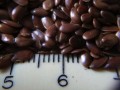
Extraordinary results reported in a rare example of a double-blinded, placebo-controlled, randomized trial of a dietary intervention (flaxseeds) to combat one of our leading killers, high blood pressure.

Since many tumors take decades to grow it’s remarkable that cancer risk can so dramatically be reduced– even late in life.

We’ve known for a half century that plant-based diets are associated with lower diabetes risk, but how low does one have to optimally go on animal product and junk food consumption?

How might Big Butter design a study (like the Siri-Tarino and Chowdhury meta-analyses) to undermine global consensus guidelines to reduce saturated fat intake?

Dairy industry campaign to “neutralize the negative image of milkfat among regulators and health professionals as related to heart disease” seeks to undermine latest guidelines from the American Heart Association and the American College of Cardiology.
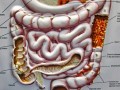
Diets centered around whole plant foods may help prevent Crohn’s disease through the benefits of fiber on the maintenance of intestinal barrier function and the avoidance of certain processed food additives such as polysorbate 80.

The role of the Mediterranean diet in preventing and treating dementia.

Sex steroid hormones in meat, eggs, and dairy may help explain the link between saturated fat intake and declining sperm counts.

Studies on more than a thousand children suggest that a viral infection may play a role in childhood obesity by increasing both the number and size of fat cells.
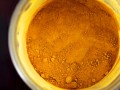
Carcinogens in grilled and baked chicken may increase the risk of pancreatic cancer, while curcumin, the yellow pigment in the spice turmeric, may sometimes help even in advanced stages of the disease.

How do the blood-pressure lowering effects of hibiscus tea compare to the DASH diet, a plant-based diet, and a long-distance endurance exercise?

Is the reversal of cellular aging Dr. Dean Ornish demonstrated with lifestyle changes due to the plant-based diet, the exercise or just to the associated weight loss?

Feed contaminated with toxic pollutants thought to originate from sewer sludge fed to chickens and fish results in human dioxin exposure through poultry, eggs, and catfish.

The cholesterol in eggs not only worsens the effects of saturated fat, but has a dramatic effect on the level of cholesterol and fat circulating in our bloodstream during the day.

Prediabetes is a disease in and of itself, associated with early damage to the eyes, kidneys, and heart. The explosion of diabetes in children is a result of our epidemic of childhood obesity. A plant-based diet may help, given that vegetarian kids grow up not only taller, but thinner.

Dr. Greger has scoured the world’s scholarly literature on clinical nutrition and developed this new presentation based on the latest in cutting-edge research exploring the role diet may play in preventing, arresting, and even reversing some of our leading causes of death and disability.