
Everything in Moderation? Even Heart Disease?
Health authorities appear to have taken the patronizing view that the public can’t handle the truth and would rather the science be watered down.
Health authorities appear to have taken the patronizing view that the public can’t handle the truth and would rather the science be watered down.

While epidemics of chronic disease are currently by far our leading causes of death, global warming is considered a looming public health threat. How can we eat to combat dietary diseases and greenhouse gas emissions at the same time?

The consumption of animal fat appears to increase the growth of gut bacteria that turn our bile acids into carcinogens.
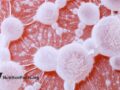
Certain gut bacteria can “retoxify” carcinogens that your liver successfully detoxified, but these bacteria can be rapidly suppressed by simple dietary changes.
Dr. Greger has scoured the world’s scholarly literature on clinical nutrition and developed this new presentation based on the latest in cutting edge research exploring the role diet may play in preventing, arresting, and even reversing some of our most feared causes of death and disability.
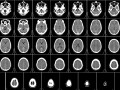
One week on a plant-based diet can significantly drop blood levels of homocysteine, a toxin associated with cognitive decline and Alzheimer’s disease. Without vitamin B12 supplementation, though, a long-term plant-based diet could make things worse.

The reversal of blindness due to hypertension and diabetes with Dr. Kempner’s rice and fruit diet demonstrates the power of diet to exceed the benefits of the best modern medicine and surgery have to offer.
Even though modern African diets may now be as miserably low in fiber as American diets, Africans still appear to have 50 times less colorectal cancer than Americans (our second leading cancer killer).

Decreasing animal protein and sodium intake appears more effective in treating calcium oxalate and uric acid kidney stones (nephrolithiasis) than restricting calcium or oxalates.

Which foods should we eat and avoid to prevent and treat acid reflux before it can place us at risk for Barrett’s esophagus and cancer?

Interventional studies support the population data that animal protein consumption appears to markedly increase the risk of kidney stones.
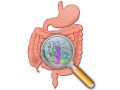
Sulfur dioxide preservatives in dried fruit, sulfites in wine, and the putrefaction of undigested animal protein in the colon can release hydrogen sulfide, the rotten egg gas associated with inflammatory bowel disease.

The negative impact of red meat on our cholesterol profile may be similar to that of white meat.

Protein consumption can exacerbate the insulin spike from high glycemic foods.

Fermentation of fiber in the gut may help explain the dramatic differences in colorectal cancer incidence around the world.
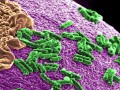
The toxic rotten egg gas hydrogen sulfide may explain why animal protein is associated with inflammatory bowel disease.

Employee wellness programs may help boost the corporate bottom line.

We’ve known for a half century that plant-based diets are associated with lower diabetes risk, but how low does one have to optimally go on animal product and junk food consumption?
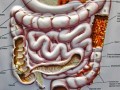
Diets centered around whole plant foods may help prevent Crohn’s disease through the benefits of fiber on the maintenance of intestinal barrier function and the avoidance of certain processed food additives such as polysorbate 80.

The deleterious effects of a Paleolithic diet appear to undermine the positive effects of a Crossfit-based high-intensity circuit training exercise program.

What is the best strategy to lower the level of the cancer-promoting growth hormone IGF-1?

Studies on more than a thousand children suggest that a viral infection may play a role in childhood obesity by increasing both the number and size of fat cells.

How do the blood-pressure lowering effects of hibiscus tea compare to the DASH diet, a plant-based diet, and a long-distance endurance exercise?

Prediabetes is a disease in and of itself, associated with early damage to the eyes, kidneys, and heart. The explosion of diabetes in children is a result of our epidemic of childhood obesity. A plant-based diet may help, given that vegetarian kids grow up not only taller, but thinner.

The elimination of all dairy products was found to cure constipation in up to 100% of kids tested, leading to a resolution of rectal inflammation and complications such as anal fissures.

By testing chicken feathers for chemical residues, researchers aim to find out what the poultry industry is feeding their birds. The presence of banned drugs and a broad range of pharmaceuticals raises concern, recalling the time in which DES was fed to chickens for years after it was shown to cause human vagina cancer.

Dr. Greger has scoured the world’s scholarly literature on clinical nutrition and developed this new presentation based on the latest in cutting-edge research exploring the role diet may play in preventing, arresting, and even reversing some of our leading causes of death and disability.

Suppressing the engine-of-aging enzyme TOR (Target of Rapamycin) by reducing intake of leucine–rich animal products, such as milk, may reduce cancer risk.

Nutritional quality indices show plant-based diets are the healthiest, but do vegetarians and vegans reach the recommended daily intake of protein?

Our immune response against a foreign molecule present in animal products may play a role in some allergic, autoimmune, and inflammatory disorders. This reaction is thought to underlie tick bite-triggered meat allergies.

A study involving more than a million kids suggests the striking worldwide variation in childhood rates of allergies, asthma, and eczema is related to diet.

The lifespan extension associated with dietary restriction may be due less to a reduction in calories, and more to a reduction in animal protein (particularly the amino acid leucine, which may accelerate aging via the enzyme TOR).

Blood flow within the hearts of those eating low-carb diets was compared to those eating plant-based diets.

Used in about eight million pounds of meat every year in the United States, the “meat glue” enzyme, transglutaminase, has potential food safety and allergy implications.

Too much choline—a compound concentrated in eggs and other animal products—can make bodily secretions smell like rotting fish, and may increase the risk of heart disease, due to conversion in the gut to trimethylamine.

Plant-based diets tend to be alkaline-forming. This may help protect muscle mass, and reduce the risk of gout and kidney stones. The pH of one’s urine can be estimated with natural pigments, using kitchen chemistry.
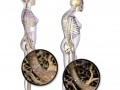
The decades-old dogma that the acid-forming quality of animal protein leads to bone loss has been called into question.

Reducing the ratio of animal to plant protein in men’s diets may slow the progression of prostate cancer.

Plant-based diets may prove to be a useful nutrition strategy in both cancer growth control as well as lifespan extension, because these diets are naturally lower in methionine.

A higher rate of cancer deaths among those that handle and process meat is attributed to infection with viruses, and chronic exposure to animal proteins.

