antioxidants
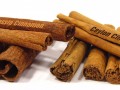
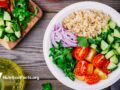
Antioxidants are an essential and affordable component of a healthy diet, with many benefits thought to include slowing aging, reducing inflammation, preventing COPD (and even treating it), and preventing cancer (see here and here). Antioxidants may also prevent the hardening of arteries and increase stool size. Antioxidants are contained in both food and beverages (see here and here), in tea (both herbal and green, especially cold-steeped), Indian gooseberries (see here and here), dragon’s blood, apples (see here, here, here), nuts, beans (see here and here), raisins, dates, rice (especially red and black), beets (see also here), vegetables, sweeteners, kale, Ceylon cinnamon, tomato juice, and spices (especially cloves). Plant-based diets ensure the highest average intake of antioxidants over animal products (see also here), and different cooking methods affect the absorption of antioxidants in foods (see also here). No limit seems to exist on the amount of antioxidants that one can safely consume (at least 9 servings of fruits and vegetables is recommended every day). This is especially important if we’re under stress. However, one should be wary of consuming certain antioxidant-containing products, such as noni juice and vitamin supplements, which may do more harm than good. For example, heavy metal contaminants in Ayurvedic medicine (see also here) undermine the hefty antioxidant levels.

See also the related blog posts: Acai to Zucchini: antioxidant food rankings, Can antioxidant-rich spices counteract the effects of a high-fat meal?
Topic summary contributed by Rachel Sapire
To help out on the site, email volunteer@nutritionfacts.org
Watch videos about antioxidants
-
February 20, 2012
Pretty in Pee-nk
Beeturia, the passage of pink urine after beetroot consumption, is a reminder that phytonutrients circulate throughout our bloodstream, explaining the connection between "garlic breath" and the use..
-
January 31, 2012
Bulking Up on Antioxidants
Even when fiber and fruit and vegetable intake are kept constant, choosing foods richer in antioxidants may increase stool size, which is associated with lower cancer risk.
-
January 30, 2012
The Power of NO
Antioxidants protect NO synthase, the enzyme that produces the artery-relaxing signal, nitric oxide. This may explain why those who eat especially antioxidant-rich plant foods have improved..
-
January 27, 2012
Anti-Inflammatory Antioxidants
Even when choosing the same quantity of fruits and vegetables, those making higher antioxidant choices experienced a reduction in C-reactive protein (inflammation) levels.
-
January 26, 2012
Anti Up on the Veggies
Greens rank highest in chemical antioxidant assays (such as ORAC, TEAC, TRAP, and FRAP), but which vegetables lead the pack when cellular antioxidant activity is measured?
-
January 25, 2012
Dragon’s Blood
The four most antioxidant-packed natural substances so far tested are cloves, amla (Indian gooseberries), triphala (a combination of amla, bibhitaki, and haritaki fruits), and dragon's blood.
-
January 24, 2012
Amla and Triphala Tested for Metals
Both U.S.-made and imported Ayurvedic dietary supplements have high contamination rates of toxic metals such as mercury, though only a small fraction of the levels found in canned tuna.
-
January 20, 2012
Page 5 of 11« First«...34567...10...»Last »