
Shark Cartilage Supplements Put to the Test to Cure Cancer
Shark cartilage supplements carry risks, but so do many cancer treatments. The question is, do they work?
Shark cartilage supplements carry risks, but so do many cancer treatments. The question is, do they work?
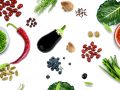
In my book How Not to Die, I center my recommendations around a Daily Dozen checklist of everything I try to fit into my daily routine.

Are the apparently amazing benefits of amla—dried Indian gooseberries—too good to be true?

In my book How Not to Die, I center my recommendations around a Daily Dozen checklist of all the things I try to fit into my daily routine.

What are the effects of açai berries, cooked and raw blueberries, grapes, cocoa, green tea, and freshly squeezed orange juice on artery function?

Açaí berries are touted for their antioxidant power, but does that translate into increased antioxidant capacity of your bloodstream when you eat them?

All plants produce “phytochelatins” to bind up heavy metals to protect themselves from the harmful effects, so what if we ate the plants?

Whole plant sources of sugar and fat can ameliorate some of the postprandial (after-meal) inflammation caused by the consumption of refined carbohydrates and meat.

Which foods and cooking methods should we choose and avoid, given the role advanced glycation end products (glycotoxins) may play in polycystic ovary syndrome (PCOS)?
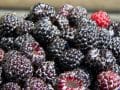
Less than half of herbal supplements tested from a dozen companies were found to be authentic.

The link between Parkinson’s and dairy may not be explained just by the pesticides and lactose.
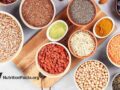
How might beans, berries, and intact (not just whole) grains reduce colon cancer risk?

Why is the field of nutrition often more about marketing products than educating people about the fundamentals of healthy eating?

Berries counteract the neurotoxic effects of pesticides in vitro, potentially explaining why berry consumption is associated with lower risk of developing Parkinson’s disease.

Avoid sugary and cholesterol-laden foods to reduce the risk of our most common cause of chronic liver disease.

How much vinegar should you consume with a meal to improve satiety and reduce the spike in blood sugar, insulin, and triglycerides?
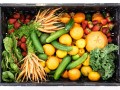
Dietary diversity is important because each plant family has a unique combination of phytonutrients that may bind to specific proteins within our body.

What can we eat to combat “inflamm-aging,” the chronic low-grade inflammation that accompanies the aging process?

Eating antioxidant-rich foods can bolster skin protection and reduce sunburn redness by 40%, whereas alcohol can dramatically drop the level of antioxidants in the skin within 8 minutes of consumption.

Research on resveratrol, a component of red wine, looked promising in rodent studies, but what happened when it was put to the test in people?
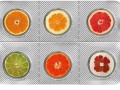
The whole food is greater than the sum of its parts: how unscrupulous marketers use evidence that ties high blood levels of phytonutrients with superior health to sell dietary supplements that may do more harm than good.

What is the latest science on the performance-enhancing qualities of nitrate-rich vegetables?
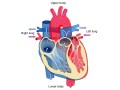
For the same reason that anti-inflammatory drugs like aspirin and ibuprofen are advised against during late pregnancy, anti-inflammatory foods may increase the risk of premature closure of the ductus arteriosus.
Concerns about smoothies and oxalic acid, nitrate availability, dental erosion, and weight gain are addressed.
If our body doesn’t register liquid calories as well, why are blended soups more satiating than the same ingredients eaten in solid form?

Might disrupting the fiber by blending fruit result in overly rapid sugar absorption?

Smoothies (and blended soups and sauces) offer a convenient way to boost both the quantity and quality of fruit and vegetable intake by reducing food particle size to help maximize nutrient absorption.

The lignans in rye could explain why rye intake is associated with lower breast and prostate cancer risk.
Peppermint essential oil should be considered the first-line treatment for IBS.

Which foods should we eat and avoid to prevent and treat acid reflux before it can place us at risk for Barrett’s esophagus and cancer?
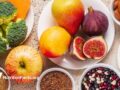
Insufficient intake of fiber-rich foods may lead to the stiffening of our arteries associated with risk of having a stroke.

Does the threshold for toxicity of fructose apply to fruit or just to added industrial sugars such as sucrose and high fructose corn syrup?

If foods like berries and dark green leafy vegetables have been found protective against cognitive decline, why aren’t they recognized as such in many guidelines?

Does the fructose naturally found in fruit and fruit juice have the same adverse effects as excess “industrial fructose” (table sugar and high fructose corn syrup) and if not, why not?

Consumption of even small amounts of garlic or raisins are associated with significantly lower risk of pregnant women going into premature labor or having their water break too soon.

The number one killer of Americans may be not eating enough fruit. Even if we just met the recommendations for fruit and vegetable intake we could save more than 100,000 people a year. One of the mechanisms by which plant foods protect us is by keeping our platelets from becoming activated.

Dr. Greger has scoured the world’s scholarly literature on clinical nutrition and developed this new presentation based on the latest in cutting-edge research exploring the role diet may play in preventing, arresting, and even reversing some of our leading causes of death and disability.

Whole fruits and vegetables were compared to both antioxidant pills, as well as supplements containing fruits and vegetable extracts, for their ability to treat seasonal allergies, improve lung function, and control asthma.
The consumption of blueberries and strawberries is associated with delayed cognitive aging by as much as 2.5 years—thought to be because of brain-localizing anthocyanin phytonutrients, as shown on functional MRI scans.
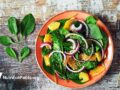
Antioxidant intake from foods (not supplements) is associated with lower cancer risk.

