Treating Advanced Prostate Cancer with Diet: Part 2
What happens when metastatic prostate cancer patients were taught to increase intake of whole grains, vegetables, fruits, and beans, and to decrease consumption of meat, dairy, and junk?
What happens when metastatic prostate cancer patients were taught to increase intake of whole grains, vegetables, fruits, and beans, and to decrease consumption of meat, dairy, and junk?
Dr. Dean Ornish showed that a plant-based diet and lifestyle program could apparently reverse the progression of prostate cancer, but that was for early stage, localized, watch-and-wait cancer. What about for more advanced stage life-threatening disease?
The effects of coconut oil are compared to butter and tallow. Even if virgin coconut oil and other saturated fats raise LDL “bad” cholesterol, isn’t that countered by the increase in HDL “good” cholesterol?
Are there unique benefits to brown rice that would justify keeping it in our diet despite the arsenic content?
Do the health benefits of rice consumption outweigh any potential risk from the arsenic contamination?
What are some strategies to reduce arsenic exposure from rice?

Getting rice down to the so-called safe water limit for arsenic would still allow for roughly 500 times greater cancer risk than is normally considered acceptable.
I recommend people switch away from using rice milk.

When it comes to rice and rice-based products, pediatric nutrition authorities have recommended that arsenic intake should be as low as possible.

Boiling rice like pasta reduces arsenic levels, but how much nutrition is lost?

Arsenic levels were tested in 5,800 rice samples from 25 countries.
A daily half-cup of cooked rice may carry a hundred times the acceptable cancer risk of arsenic. What about seaweed from the coast of Maine?

Even at low-level exposure, arsenic is not just a class I carcinogen, but may also impair our immune function and increase our risk of cardiovascular disease and diabetes.

What was the National Chicken Council’s response to public health authorities calling for the industry to stop feeding arsenic-based drugs to poultry?

Açaí berries are touted for their antioxidant power, but does that translate into increased antioxidant capacity of your bloodstream when you eat them?
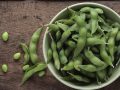
Soy is put to the test for the treatment of prostate cancer.
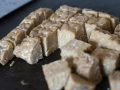
Which appear more protective: fermented soy foods, such as miso and tempeh, or unfermented soy, like tofu and soy milk?
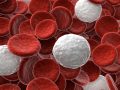
Since white blood cell count is such a strong predictor of lifespan, what should we aim for and how do we get it there?
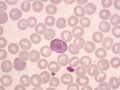
Since white blood cell count is a sign of systemic inflammation, it’s no surprise that those with lower white blood cell counts live longer.

After the trans fat oil ban, the only remaining major sources of trans fat will be from meat and dairy.
Lemon balm may beat out drugs for controlling the symptoms of severe dementia.

Polyomaviruses discovered in meat can survive cooking and pasteurization.
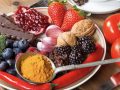
What would happen if you secretly gave cancer patients four of the healthiest foods?

The reason egg consumption is associated with elevated cancer risk may be the TMAO, considered the “smoking gun” of microbiome-disease interactions.
Shaving before applying underarm antiperspirants can increase aluminum absorption. Could this explain the greater number of tumors and the disproportionate incidence of breast cancer in the upper outer quadrant of the breast near the armpit?

Physical fitness authorities seem to have fallen into the same trap as the nutrition authorities, recommending what they think may be achievable, rather than simply informing us what the science says and letting us make up our own mind.
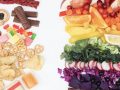
It may be more expedient politically to promote an increase in consumption of healthy items rather than a decrease in consumption of unhealthy items, but it may be far less effective.

There is a food that offers the best of both worlds—significantly improving our ability to detox carcinogens like diesel fumes and decreasing inflammation in our airways—all while improving our respiratory defenses against infections.
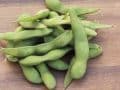
What happens to hormone levels in women and men randomized to drink soy milk?

Do BPA-free plastics, such as Tritan, have human hormone-disrupting effects? And what about BPS and BPF?
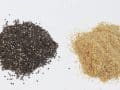
What effect do chia seeds have on weight loss, blood sugar, cholesterol, blood pressure, and inflammation?

Just as most doctors smoked in the 1950s, most physicians today continue to consume foods that are contributing to our epidemics of dietary disease.

A mixture of results have been reported using green tea to try to stop or reverse the progression of oral cancer, lung cancer, cervical cancer, and colon cancer.

Within 40 minutes of green tea consumption, we get a boost in antioxidant power in our bloodstream, and, within 60 minutes, an upregulation of DNA repair.
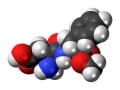
How should we parse the conflicting human data on intake of aspartame (Nutrasweet) and non-Hodgkin’s lymphoma, multiple myeloma, leukemia, and pancreatic cancer?

Which foods and cooking methods should we choose and avoid, given the role advanced glycation end products (glycotoxins) may play in polycystic ovary syndrome (PCOS)?
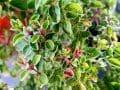
Even a small amount of fresh herbs can double or even quadruple the antioxidant power of a meal. The abilities of oregano to decrease chromosomal damage from radiation and marjoram to affect hormone levels in women with PCOS are put to the test.

Miso is packed with sodium, which is linked to both stomach cancer and high blood pressure, so is it safe to consume?

Five cents’ worth of seaweed a day may dramatically improve a major cause of disability and compromised quality of life among women.

Which dietary changes could reduce free radical damage and also improve DNA repair in women with mutated BRCA genes?