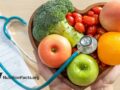
Food Antioxidants, Stroke, and Heart Disease
The oxidation of high-fat and cholesterol-rich foods in our stomachs may help explain why eating antioxidant packed foods appears to reduce heart attack and stroke risk.
The oxidation of high-fat and cholesterol-rich foods in our stomachs may help explain why eating antioxidant packed foods appears to reduce heart attack and stroke risk.

Freedom of Information Act documents reveal that the U.S. Department of Agriculture warned the egg industry that saying eggs are nutritious or safe may violate rules against false and misleading advertising.

The meat industry sued the federal government, winning the right to sell food known to be contaminated with food-poisoning bacteria.

Foster Farms chicken may have infected and sickened more than 10,000 people, due to contamination of the meat with fecal material.
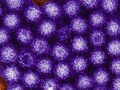
Organic produce may present less of a food safety risk, given the potential contamination of pesticides with fecal pathogens.

An elegant experiment is described in which the blood of those eating different types of spices—such as cloves, ginger, rosemary, and turmeric—is tested for anti-inflammatory capacity.
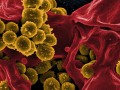
The level of multidrug antibiotic-resistant bacteria contamination is compared between meat from animals raised conventionally, and certified organic meat from animals raised without being fed antibiotics.

Eating meat or eggs before pregnancy may increase the risk of gestational diabetes.

Yellow plant pigments, such as lutein and zeaxanthin, build up in the back of our eyes to protect our retinas against age-related macular degeneration. Levels of these eyesight–saving nutrients in organic free-range eggs, vegetables, and goji berries are compared.

The carotid arteries of those eating plant-based diets appear healthier than even those just as slim (long-distance endurance athletes who’ve run an average of 50,000 miles).

Even nine servings of fruits and vegetables a day may not reach the minimum recommended intake of antioxidants if one doesn’t make the right choices.

If the bulk of fast food chicken nuggets is not actually chicken meat, what’s in them?

The vast majority of chicken and poultry products are injected with phosphorus preservatives, which are often not listed in the ingredients. Reducing one’s intake of meat, junk food, fast food, and processed cheese may help lower intake until labeling is mandated.

The phosphorus preservatives injected into poultry may not just be an arterial toxin. They also appear to dramatically increase the growth of food poisoning Campylobacter bacteria.

The consumption of phosphorus preservatives in junk food, and injected into meat, may damage blood vessels, accelerate the aging process, and contribute to osteoporosis.

Phytonutrients in certain plant foods may block the toxic effects of industrial pollutants, like dioxins, through the Ah receptor system.

Americans eating meat-free diets average higher intakes of nearly every nutrient, while maintaining a lower body weight—perhaps due, in part, to their higher resting metabolic rates.

Choline may be the reason egg consumption is associated with prostate cancer progression and death.

Too much choline—a compound concentrated in eggs and other animal products—can make bodily secretions smell like rotting fish, and may increase the risk of heart disease, due to conversion in the gut to trimethylamine.

The beef industry designed a study to show that a diet containing beef was able to lower cholesterol—if one cuts out enough poultry, pork, fish, and cheese to halve one’s total saturated fat intake.

Plant-based diets tend to be alkaline-forming. This may help protect muscle mass, and reduce the risk of gout and kidney stones. The pH of one’s urine can be estimated with natural pigments, using kitchen chemistry.
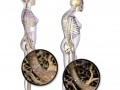
The decades-old dogma that the acid-forming quality of animal protein leads to bone loss has been called into question.

Simple changes in diet and lifestyle may quadruple a woman’s survival rate from breast cancer.

Reducing the ratio of animal to plant protein in men’s diets may slow the progression of prostate cancer.

A plant-based diet may not only be the safest treatment for multiple sclerosis; it may also be the most effective.

Methionine restriction—best achieved through a plant-based diet—may prove to have a major impact on patients with cancer because, unlike normal tissues, many human tumors require the amino acid methionine to grow.

A higher rate of cancer deaths among those that handle and process meat is attributed to infection with viruses, and chronic exposure to animal proteins.

Cancer-causing viruses in poultry may explain increased risks of death from liver and pancreatic cancers.

Changing food perceptions and incorporating puréed vegetables into entrees can improve the dietary quality of kids and grown-ups.

Those eating a more plant-based diet may naturally have an enhanced antioxidant defense system to counter the DNA damage caused by free radicals produced by high-intensity exercise.

Natural monoamine oxidase enzyme inhibitors in fruits and vegetables may help explain the improvement in mood associated with switching to a plant-based diet.

Dr. Greger has scoured the world’s scholarly literature on clinical nutrition, and developed this brand-new live presentation on the latest in cutting-edge research on how a healthy diet can affect some of our most common medical conditions.

The Director-General of the World Health Organization warns that we may be facing an end to modern medicine as we know it—thanks, in part, to the mass feeding of antibiotics to farm animals to accelerate growth.

Dioxins, endocrine disrupting pollutants, heavy metals, saturated fat, and steroids in the meat supply may be affecting sperm counts, semen quality, and the ability of men to conceive.

About half of America’s trans fat intake now comes from animal products.

Cranberries may reduce the recurrence of urinary tract infections, but their role in treating infections is limited.

Handling chicken can lead to the colonization of one’s colon with antibiotic-resistant E. coli that may result in bladder infections in women.
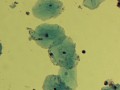
A more plant-based diet may help prevent vaginal infections, one of the most common gynecological problems of young women.
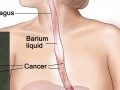
A randomized phase II clinical trial on the ability of strawberries to reverse the progression to esophageal cancer.
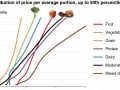
When measured on a cost-per-serving, cost-per-weight, or cost-per-nutrition basis, fruits and vegetables beat out meat and junk food.

