NutritionFacts.org

chicken

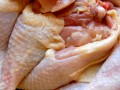
Research studies, including the largest prospective nutrition study ever, continue to suggest that industrial toxins such as PCBs, methylmercury, and arsenic in chicken and/or chicken eggs may increase the risk of cancer. The high-temperature cooking of bird muscles can create cancer-causing compounds. This was demonstrated in a testing of chicken products served at fast food chains. This may help explain why poultry has been associated with the risk of lymphoma (see also here). Cured chicken may also contain carcinogenic nitrosamines. Eating chicken and eggs may negatively affect emotional (see also here), mental, vascular, and hormonal health (such as the feminization of male genitalia). Genetic manipulation of chickens has led to clinically obese birds that may play a role in the human obesity epidemic because of their fat content (and maybe even their obesogenic virus content). Chicken by-products are probably not the best source of protein for infant formula.

The overuse of antibiotics in chicken and meat production is creating superbugs (see also here, here, here). Bacterial from fecal contamination of chicken presents a food safety risk, including urinary tract infections. Parasitic worms contained in fish meal fed to chickens may cause allergic reactions in those who eat the chicken. Chicken is deficient in antioxidants, phytonutrients, and fiber, while potentially containing excessive salt, flame-retardant chemicals, AGEs, arachidonic acid (see also here), paralysis-causing bacteria (that can cross-contaminate other foods and surfaces), and cancer-causing agents (including eggs). Even neurological diseases and penile cancer have been linked to poultry exposure. Chicken can provide vitamin B12, but there are safer sources.

The most recent USDA Dietary Guidelines suggest eating more fruits and vegetables and less saturated fat, for which chicken is a leading source (see the potential breast cancer survival implications here). Countries that have successfully cut saturated fat have been able to dramatically cut disease risk.

See also the related blog posts: EPA dioxin limit has National Chicken Council worried products could be declared “unfit for consumption”, Dr. Oz, apple juice, and arsenic: chicken may have 10 times more, Eating chicken may lead to a smaller penis
Topic summary contributed by Julie Correia.

To help out on the site, email volunteer@nutritionfacts.org

Watch videos about chicken

  • Poultry and Paralysis
    Poultry and Paralysis
    A neuropathic strain of the fecal bacteria Campylobacter found in poultry can trigger Guillain-Barré syndrome, a rapid and life-threatening paralysis.
  • Poultry Exposure and Neurological Disease
    Poultry Exposure and Neurological Disease
    Poultry workers exhibit an excess of a wide range of diseases, from thyroid conditions to schizophrenia and autoimmune neurological disorders such as myasthenia gravis. This may be due to exposure to..
  • Carcinogenic Retrovirus Found in Eggs
    Carcinogenic Retrovirus Found in Eggs
    Avian leukosis/sarcoma virus has been found in 14% of retail egg samples.
  • Poultry and Penis Cancer
    Poultry and Penis Cancer
    The largest study to date on poultry workers found a significantly increased risk of dying from penile cancer, thought to be due to exposure to oncogenic (cancer-causing) chicken viruses, which raise..
  • Chicken Dioxins, Viruses, or Antibiotics?
    Chicken Dioxins, Viruses, or Antibiotics?
    The association between poultry and cancer may be explained by the presence in chickens' and turkeys' flesh of industrial carcinogens such as dioxins, oncogenic (cancer-causing) viruses, and/or the..
  • EPIC Findings on Lymphoma
    EPIC Findings on Lymphoma
    In a study of a half million people, which was most associated with the risk of developing lymphoma? Red meat, processed meat, poultry, offal, eggs, or milk?
  • Breast Cancer Survival, Butterfat, and Chicken
    Breast Cancer Survival, Butterfat, and Chicken
    Breast cancer survivors may reduce their chances of survival if they eat too much saturated fat, found primarily in the American diet in cheese, chicken, and junk food.
  • Prevention Is Better Than Cured Meat
    Prevention Is Better Than Cured Meat
    The levels of nitrosamines—considered the most carcinogenic agents in cigarette smoke—were recently measured in an array of processed meats including chicken, turkey, and pork.
Page 5 of 11« First...34567...10...Last »