Which Foods Are Anti-Inflammatory?
Foods that reduce inflammation. What does an anti-inflammatory diet look like?
Foods that reduce inflammation. What does an anti-inflammatory diet look like?
Inflammatory markers can double within six hours of eating a pro-inflammatory meal. Which foods are the worst?
Pomegranates are put to the test for weight loss, diabetes, COPD, prostate cancer, osteoarthritis, and rheumatoid arthritis.
Weight loss, cholesterol, and PCOS treatment with diet. What can an eighth of a teaspoon a day of onion powder do for body fat, and what can raw red onion do for cholesterol?
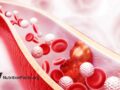
Those with genetic mutations that leave them with an LDL cholesterol of 30 live exceptionally long lives. Can we duplicate that effect with drugs?
Why might healthy lifestyle choices wipe out 90 percent of our risk for having a heart attack, whereas drugs may only reduce risk by 20 to 30 percent?
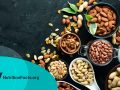
How do barukas, also known as baru almonds, compare with other nuts?
There is another reason to avoid palm oil and question the authenticity of extra-virgin olive oil.
Having a so-called normal cholesterol in a society where it’s normal to drop dead of a heart attack isn’t necessarily a good thing.
The spice cumin can work as well as orlistat, the “anal leakage” obesity drug.

What are the pros and cons of relative risk versus absolute risk versus number-needed-to-treat versus average postponement of death taking cholesterol-lowering statin drugs?

A Mayo Clinic visualization tool can help you decide if cholesterol-lowering statin drugs are right for you.

What is the dirty little secret of drugs for lifestyle diseases? If patients knew the truth of how little these drugs actually worked, almost no one would agree to take them.

How can you calculate your own personal heart disease risk and use it to determine if you should start on a cholesterol-lowering statin drug?
Why don’t I recommend moringa?
Women with breast cancer should include the “liberal culinary use of cruciferous vegetables.”
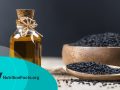
For three cents a day, black cumin may improve cholesterol and triglyceride levels, blood pressure, and blood sugar control, as well as accelerate the loss of body fat.
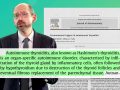
What were the results of a randomized, double-blind, placebo-controlled trial of a half teaspoon of powdered black cumin a day in Hashimoto’s (autoimmune thyroiditis) patients?
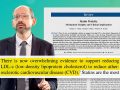
Why is the incidence of side effects from statins so low in clinical trials but appear to be so high out in the real world?
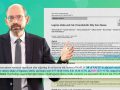
What are the three sources of the liver fat in fatty liver disease and how do you get rid of it?
Cardiologists can criminally game the system by telling a patient they have a much more serious, unstable disease than they really have, fraud that results in unnecessary procedures, unnecessary cost, and unnecessary patient harm.
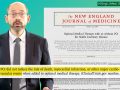
Over and over, studies have shown that doctors tend to make different clinical decisions for patients based on how much they will get paid personally.

Sham surgery trials prove that procedures like nonemergency stents offer no benefit for angina pain—only risk to millions of patients.

What do physicians and stent companies have to say for themselves, given that they are promoting expensive, risky procedures with no benefit?
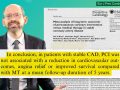
Why are doctors killing or stroking out thousands of people a year for nothing? How do doctors even convince patients to sign up for procedures that are all risk without benefit?
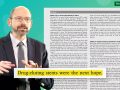
Most heart attacks are caused by nonobstructive plaques that infiltrate the entire coronary artery tree. There is no such thing as “1-vessel disease,” “2-vessel disease,” or “left main disease.” Atherosclerotic plaque is continuous throughout the coronary arteries of heart attack victims.
There are demonstrably no benefits to the hundreds of thousands of angioplasty and stent procedures performed outside of an emergency setting. They don’t prevent heart attacks, enable you to live longer, or even help with symptoms any more than placebo (fake) surgery.
Millet isn’t the name of a specific grain, but a generic term that applies to a number of totally different plants. Which is the most healthful?
Clinical trials on Quorn show that it can improve satiety and help people control cholesterol, blood sugar, and insulin levels.
What are the different impacts of plant protein versus animal protein, and do the benefits of plant proteins translate to plant protein isolates?
What happens when you compare the trans fats, saturated fat, sodium, and cholesterol levels in plant-based versus animal-based burgers?
Learn why sorghum is one of my favorite new grains.
Increased risk of metabolic complications starts at an abdominal circumference of 31.5 inches in women and 37 inches in most men, though it’s closer to 35.5 inches for South Asian, Chinese, and Japanese men.
Sufficient, sustained weight loss may cut the risk of fatal heart attacks and strokes in half.
Losing weight can reduce sciatica, hypertension, and cancer risk, and reverse type 2 diabetes.
Is there a nonsurgical alternative to knee replacement surgery that instead treats the cause and offers only beneficial side effects?
An entire issue of a cardiology journal dedicated to plant-based nutrition explores the role an evidence-based diet can play in the reversal of congestive heart failure.
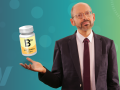
Why the current Recommended Daily Allowance for vitamin B12 may be insufficient.
Is it possible to reverse type 1 diabetes if caught early enough?
The most effective diet for weight loss may also be the healthiest.

