
Vitamin D for Asthma
Vitamin D supplements are put to the test in childhood asthma.
Vitamin D supplements are put to the test in childhood asthma.

Increasing the cost of cigarettes through tobacco taxes is one of the most effective ways to decrease the harms of smoking. What does the science say about taxing sodium, sugar, and saturated fat?

A quarter- to a half-teaspoon a day of powdered ginger can be as pain-relieving as ibuprofen, without the risk of damage to the intestinal lining.
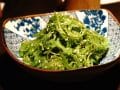
Seaweed salad is put to the test for hypertension.

Combining certain foods together may be more beneficial than eating them separately.

If the synthetic estrogen BPA is linked to billions of dollars’ worth of medical problems a year, why is it still allowed in the food supply?

Why is the field of nutrition often more about marketing products than educating people about the fundamentals of healthy eating?

In this “best-of” compilation of his last four year-in-review presentations, Dr. Greger explains what we can do about the #1 cause of death and disability: our diet.

Despite less education on average, a higher poverty rate, and more limited access to health care, U.S. Hispanics tend to live the longest. Why?

How the food, drug, and supplement industries have taken advantage of the field of nutrition’s reductionist mindset

Our physiology evolved for millions of years eating a plant-based diet. What would happen if researchers tried to recreate our ancestral diet in the lab?

Avoid sugary and cholesterol-laden foods to reduce the risk of our most common cause of chronic liver disease.

Even without an exercise component, a plant-based diet can reduce angina attacks 90% within 24 days.

The improvement of arterial function on a whole food, plant-based diet appears so pronounced that cardiac patients can achieve a 90% reduction in angina attacks.

Adding milk to tea can block its beneficial effects, potentially explaining why green tea drinkers appear better protected than consumers of black tea.
Plant-based diets have been shown to slow or stop the progression of kidney failure, but what about all the phosphorus and potassium in plant foods?

Dietary guidelines often patronizingly recommend what is considered acceptable or achievable, rather than what the best available balance of evidence suggests is best.

What effect do artificial sweeteners such as sucralose (Splenda), saccharin (Sweet & Low), aspartame (Nutrasweet), and acesulfame K (Sweet One) have on our gut bacteria?

Even when study subjects were required to eat so much that they didn’t lose any weight, a plant-based diet could still reverse type 2 diabetes in a matter of weeks.

Type 2 diabetes can be reversed with severe calorie restriction—whether by surgery or starvation—but did you know it can also be reversed simply by eating healthier?

When type 2 diabetes is reversed after gastric bypass surgery, is it due to the actual operation or just the severely restrictive diet required for recovery?

Certain foods are linked not only to increased happiness, but also to greater “eudaemonic” well-being—feelings of engagement, creativity, meaning, and purpose in life.

The burgeoning field of positive psychology is based on the understanding that mental health is not just about the absence of disease.

What can we eat to combat “inflamm-aging,” the chronic low-grade inflammation that accompanies the aging process?

Is triclosan in Colgate Total toothpaste safe in regards to the nitrate-reducing bacteria on our tongue and potential endocrine-disrupting effects on thyroid function and obesity?

Why do heart attack rates appear lower than expected in France, given their saturated fat and cholesterol intake? Is it their red wine consumption, their vegetable consumption, or something else?

It took more than 7,000 studies and the deaths of countless smokers before the Surgeon General’s report on tobacco was released in the 1960s. How many people are suffering needlessly from preventable dietary diseases today?
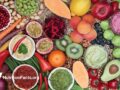
The extraordinarily low rates of chronic disease among plant-based populations have been attributed to fiber, but reductionist thinking may lead us astray.

A guideline is suggested for how to read food labels for grain products such as bread and breakfast cereals.

What happens to our gut flora microbiome when we’re on plant-based versus animal-based diets?
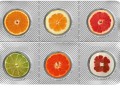
The whole food is greater than the sum of its parts: how unscrupulous marketers use evidence that ties high blood levels of phytonutrients with superior health to sell dietary supplements that may do more harm than good.

If depression can be induced with pro-inflammatory drugs, might an anti-inflammatory diet be effective in preventing and treating mood disorders?
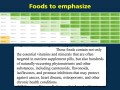
Based on the Dietary Guidelines for Americans, which foods best supply shortfall nutrients while avoiding disease-promoting components?

What happens inside the arteries going to the hearts and brains of those who add nuts or extra virgin olive oil to their diet?

Health authorities appear to have taken the patronizing view that the public can’t handle the truth and would rather the science be watered down.

Lack of adequate blood flow to the brain due to clogging of cerebral arteries may play a pivotal role in the development and progression of Alzheimer’s dementia.
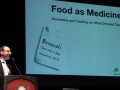
Dr. Greger has scoured the world’s scholarly literature on clinical nutrition and developed this new presentation based on the latest in cutting edge research exploring the role diet may play in preventing, arresting, and even reversing some of our most feared causes of death and disability.

Lifestyle changes are often more effective in reducing the rates of heart disease, hypertension, heart failure, stroke, cancer, diabetes, and premature death than almost any other medical intervention.

What happened when the World Health Organization had the gall to recommend a diet low in saturated fat, sugar, and salt and high in fruit and vegetables?

What might happen if nutritional excellence were taught in medical school?