
Tongue Worm in Human Eye
A case report (and video) of the worm-like, bloodsucking parasite Linguatula serrata, found in organ meats, that can migrate through the intestinal wall, into the bloodstream, and then inside one’s eyeball.
A case report (and video) of the worm-like, bloodsucking parasite Linguatula serrata, found in organ meats, that can migrate through the intestinal wall, into the bloodstream, and then inside one’s eyeball.

A profile of the study “Dirty Money: An Investigation into the Hygiene Status of Some of the World’s Currencies as Obtained from Food Outlets.” The level of fecal bacteria contamination on banknotes is compared between Australia, Burkina Faso (Africa), China, Ireland, the Netherlands, New Zealand, Nigeria, Mexico, the United Kingdom, and the United States.

How often do retail deli workers wash their hands, at both independent and chain stores? This is important, given the potential for life-threatening blood-borne viruses such as hepatitis C.
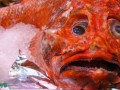
The consumption of dark fish (such as salmon, swordfish, bluefish, mackerel, and sardines) may increase our risk of atrial fibrillation—an irregular heartbeat rhythm associated with stroke, dementia, heart failure, and a shortened lifespan.

Excreted pharmaceutical drugs, such as Prozac, can end up polluting our waterways, and may bioaccumulate in fish flesh.
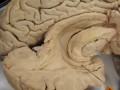
There’s a rare toxin, called domoic acid, that can turn up in tuna and other seafood and cause anterograde amnesia, the loss of short-term memory popularized in the movie Memento.

Exposure to meat packaging in the supermarket may lead to food poisoning in children placed in shopping carts.

The food-poisoning fecal bacteria found in 70% of U.S. retail poultry is destroyed by proper cooking, but contamination of the kitchen environment may place consumers at risk.

A neuropathic strain of the fecal bacteria Campylobacter, found in poultry, can trigger Guillain-Barré syndrome, a rapid and life-threatening paralysis.

Poultry workers exhibit an excess of a wide range of diseases, from thyroid conditions to schizophrenia, and autoimmune neurological disorders, such as myasthenia gravis. This may be due to exposure to viruses present in chickens and turkeys.
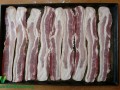
The nitrite preservatives in processed meats such as bologna, bacon, ham, and hot dogs form carcinogenic nitrosamines, but also reduce the growth of botulism bacteria—forcing regulators to strike a balance between consumers risking cancer, or a deadly form of food poisoning.
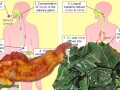
If the nitrates in vegetables such as greens are health-promoting because they can be turned into nitrites, and then nitric oxide, inside our bodies, what about the nitrites added to cured meats—such as bacon, ham, and hot dogs?

More than a thousand retail meat samples have been tested for methicillin-resistant Staphylococcus aureus (MRSA) contamination in North America.

Methicillin-resistant Staphylococcus aureus “superbug” found not only contaminating the U.S. retail meat supply, but isolated from air samples outside swine CAFOs.

An investigation finds 47% of U.S. retail meat tested is contaminated with staph (Staphylococcus) bacteria. Turkey appears most likely to harbor contagion.

Salmonella, the leading cause of food poisoning-related death, can survive most common egg cooking methods—including scrambled, over-easy, and sunny side up. Cross-contamination onto fingers, utensils, or kitchen surfaces may pose an additional threat.

Excessive intake of kelp (kombu) or thyroid-containing sausages can lead to iodine toxicity.
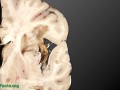
Avoiding pork tapeworm parasites (cysticercosis) is not as easy as just avoiding pork.
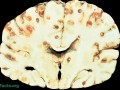
Neurocysticercosis, infection with pork tapeworm larvae brain parasites, is an increasingly serious public health problem in the United States, potentially causing headaches, dizziness, seizures, other neurological disorders, and sudden death.

Clostridium difficile is another “superbug” found in the U.S. meat supply.

How contaminated is the American meat supply with fecal matter?

The discovery of infectious hepatitis E virus in retail pork products may help explain the purported association between liver failure and pork consumption.

There are neurotoxins in certain fish that can survive cooking and cause unusual symptoms.
Researchers use laser imaging to determine the proportion of retail chicken contaminated with fecal matter.

Broccoli sprouts are likely safer and more nutritious than alfalfa sprouts.

The proportion of sushi that exceeds the national food standards guidelines for fecal bacteria levels.

Fecal bacteria may contaminate alfalfa seed sprouts and present a food safety risk.