
Is Alternate-Day Intermittent Fasting Safe?
Eating every other day can raise your cholesterol.
Eating every other day can raise your cholesterol.

Peeled apples are pitted head-to-head against unpeeled apples and spinach in a test of artery function.

Keto diets put to the test for diabetes reversal.

Ketogenic diets found to undermine exercise efforts and lead to muscle shrinkage and bone loss.
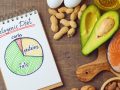
The effects of ketogenic diets on nutrient sufficiency, gut flora, and heart disease risk.
Why don’t more people take the weight loss medications currently on the market?
Plant-based diets as the single most important, yet underutilized, opportunity to reverse the pending obesity and diabetes-induced epidemic of disease and death.
How the food industry responds to “health food faddists.”
What is the research on orthorexia?
The case for using a plant-based diet to reduce the burden of diabetes has never been stronger.

Genetic differences in caffeine metabolism may explain the Jekyll and Hyde effects of coffee.
The best and worst foods for bad breath and gum inflammation.
Ground ginger and ginger tea are put to the test for blood sugar control.

Is butter—and other saturated fats—bad for you or not?

Oxidized cholesterol (concentrated in products containing eggs, processed meat, and parmesan cheese) has cancer-fueling estrogenic effects on human breast cancer.
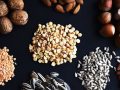
Most Americans get less than half the recommended minimum fiber intake a day and the benefits of fiber go way beyond bowel regularity.

Blueberry tea is put to the test for cholesterol lowering.

Comparing the diets of the Roman gladiator “barley men” and army troopers to the modern Spartans of today.

How the meat and dairy industries design studies showing their products have neutral or even beneficial effects on cholesterol and inflammation.

Dairy is compared to other foods for cardiovascular (heart attack and stroke) risk.

What about the recent studies that show cheese has neutral or positive health effects?

Randomized controlled studies put nuts, berries, and grape juice to the test for cognitive function.

Do the benefits outweigh the risks for acid-blocker drugs (proton pump inhibitors like Nexium/Prilosec/Prevacid)? What about baking soda?

The effects of Red Bull and Monster brand energy drinks on artery function and athletic performance.
Learn about this community-based education program informing physicians and patients alike about the power of nutrition as medicine.
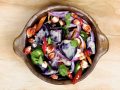
The CHIP program has attempted to take the pioneering lifestyle medicine work of Pritikin and Ornish and spread it into the community.
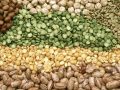
Do legumes—beans, chickpeas, split peas, and lentils—work only to prevent disease, or can they help treat and reverse it as well?
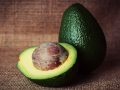
High-fat plant foods—avocados, peanuts, and walnuts—and olive oil are put to the test.

Which would save more lives: eating an apple a day or taking statin drugs?
Chicken, fish, and egg powder in processed foods present greater risk from cholesterol oxidation byproducts, but there are things you can do to reduce exposure.

Oxidized cholesterol can be a hundred times more toxic than regular cholesterol, raising additional concerns about foods such as ghee, canned tuna, processed meat, and parmesan cheese.

What would happen if you effectively randomized people at birth to drink more or less alcohol their whole lives? Would they get more or less heart disease?

Even if alcohol causes cancer and there is no “French paradox,” what about the famous J-shaped curve, where excessive drinking is bad, but light drinkers appear to have lower mortality than abstainers?

Is there any benefit to resveratrol? If so, should we get it from wine, grapes, peanuts, or supplements?

In this video, I explain my traffic light system for ranking the relative healthfulness of Green Light vs. Yellow Light vs. Red Light foods.
What do nine in ten women say they were never told about mammograms, even though they thought they had the right to know?

Every year, cannabis is estimated to result in two million years of healthy life lost due to disability. How much is that compared to alcohol and tobacco?

The mammogram paradox is that women who are harmed the most are the ones who claim the greatest benefit.

Various health organizations offer clashing mammogram recommendations that range from annual mammograms starting at age 40 to eliminating routine mammograms altogether. Who should you trust?

Does soy food consumption explain why Japanese women appear to be so protected from hot flash symptoms?