
Ultra-Processed Junk Food Put to the Test
What happened when ultra-processed foods were matched for calories, sugar, fat, and fiber content in the first randomized controlled trial?
What happened when ultra-processed foods were matched for calories, sugar, fat, and fiber content in the first randomized controlled trial?
What was the secret to the public health community’s triumph when past attempts to regulate the food industry failed?

Why are nuts associated with decreased mortality, but not peanut butter?
Fasting and exercise can boost the longevity hormone FGF21, but what can we eat—or avoid eating—to get similar effects?

What are the pros and cons of relative risk versus absolute risk versus number-needed-to-treat versus average postponement of death taking cholesterol-lowering statin drugs?

A Mayo Clinic visualization tool can help you decide if cholesterol-lowering statin drugs are right for you.

What is the dirty little secret of drugs for lifestyle diseases? If patients knew the truth of how little these drugs actually worked, almost no one would agree to take them.

How can you calculate your own personal heart disease risk and use it to determine if you should start on a cholesterol-lowering statin drug?
The leading risk factor for death in the United States is the American diet.

There is a reason the Centers for Disease Control and Prevention prohibits not only smoking, but also scented or fragranced products in its buildings.
Is the apparent protection of plant-based diets for thyroid health due to the exclusion of animal foods, the benefits of plant foods, or both?
Why is the incidence of side effects from statins so low in clinical trials but appear to be so high out in the real world?
What are the three sources of the liver fat in fatty liver disease and how do you get rid of it?
Cardiologists can criminally game the system by telling a patient they have a much more serious, unstable disease than they really have, fraud that results in unnecessary procedures, unnecessary cost, and unnecessary patient harm.
Over and over, studies have shown that doctors tend to make different clinical decisions for patients based on how much they will get paid personally.
Sham surgery trials prove that procedures like nonemergency stents offer no benefit for angina pain—only risk to millions of patients.
What do physicians and stent companies have to say for themselves, given that they are promoting expensive, risky procedures with no benefit?
Why are doctors killing or stroking out thousands of people a year for nothing? How do doctors even convince patients to sign up for procedures that are all risk without benefit?
There are demonstrably no benefits to the hundreds of thousands of angioplasty and stent procedures performed outside of an emergency setting. They don’t prevent heart attacks, enable you to live longer, or even help with symptoms any more than placebo (fake) surgery.
Millet isn’t the name of a specific grain, but a generic term that applies to a number of totally different plants. Which is the most healthful?
Is heme just an innocent bystander in the link between meat intake and breast cancer, diabetes, heart disease, stroke, and high blood pressure?
What happens when you compare the trans fats, saturated fat, sodium, and cholesterol levels in plant-based versus animal-based burgers?
Is there a unisex chart to see what your optimal weight might be based on your height?
Sufficient, sustained weight loss may cut the risk of fatal heart attacks and strokes in half.
Is there a nonsurgical alternative to knee replacement surgery that instead treats the cause and offers only beneficial side effects?
Fasting, followed by a plant-based diet, is put to the test for autoimmune inflammatory joint disease.
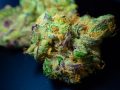
The temporary quintupling of heart attack risk associated with cannabis smoking may be due to the increased heartrate, blood pressure, and carbon monoxide levels.
An entire issue of a cardiology journal dedicated to plant-based nutrition explores the role an evidence-based diet can play in the reversal of congestive heart failure.
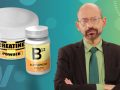
Those on a healthy plant-based diet with elevated homocysteine levels despite taking sufficient vitamin B12 may want to consider taking a gram a day of contaminant-free creatine.

What are the consequences of having to make your own creatine rather than relying on dietary sources?
Many doctors mistakenly rely on serum B12 levels in the blood to test for vitamin B12 deficiency.
Not taking B12 supplements or regularly eating B12 fortified foods may explain the higher stroke risk found among vegetarians.

Might animal protein-induced increases in the cancer-promoting grown hormone IGF-1 help promote brain artery integrity?
How can we explain the drop in stroke risk as the Japanese diet became Westernized by eating more meat and dairy?

Just because you’re eating vegetarian or vegan doesn’t mean you’re eating healthy.
Does eating fish or taking fish oil supplements reduce stroke risk?

Could the apparent increased stroke risk in vegetarians be reverse causation? And what about vegetarians versus vegans?
The first study in history on the incidence of stroke of vegetarians and vegans suggests they may be at higher risk.

What is the relationship between stroke risk and dairy, eggs, meat, and soda?

We need to reform the food system before it’s too late.

