
Understanding the Mammogram Paradox
The mammogram paradox is that women who are harmed the most are the ones who claim the greatest benefit.
The mammogram paradox is that women who are harmed the most are the ones who claim the greatest benefit.
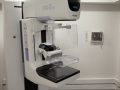
What is the risk-benefit ratio of the cancers picked up by mammograms and the cancers caused by mammograms?

For every life saved by mammography, as many as two to ten women are overdiagnosed and unnecessarily turned into breast cancer patients—and let’s not overlook all of the attendant harms of chemo, radiation, or surgery without the benefits.

Various health organizations offer clashing mammogram recommendations that range from annual mammograms starting at age 40 to eliminating routine mammograms altogether. Who should you trust?
How can the beta glucan fiber in brewer’s, baker’s, and nutritional yeast improve wound healing and, potentially, anti-cancer immunity?

Dr. Greger whips up some matcha ice cream inspired by a recipe in his How Not to Die Cookbook.
In certain medical conditions, probiotic supplements may actually make things worse.

What are the risks and benefits of getting a comprehensive annual physical exam and routine blood testing?
What are the risks and benefits of getting an annual check-up from your doctor?
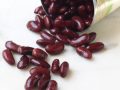
How can we properly cook beans?

A book purported to expose “hidden dangers” in healthy foods doesn’t even pass the whiff test.
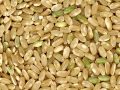
Are there unique benefits to brown rice that would justify keeping it in our diet despite the arsenic content?

Even at low-level exposure, arsenic is not just a class I carcinogen, but may also impair our immune function and increase our risk of cardiovascular disease and diabetes.

What are the effects of açai berries, cooked and raw blueberries, grapes, cocoa, green tea, and freshly squeezed orange juice on artery function?

One way a diet rich in animal-sourced foods like meat, eggs, and cheese may contribute to heart disease, stroke, kidney failure, and death is through the production of toxin called TMAO.
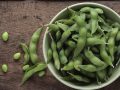
Soy is put to the test for the treatment of prostate cancer.
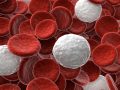
Since white blood cell count is such a strong predictor of lifespan, what should we aim for and how do we get it there?
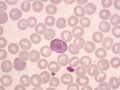
Since white blood cell count is a sign of systemic inflammation, it’s no surprise that those with lower white blood cell counts live longer.

After the trans fat oil ban, the only remaining major sources of trans fat will be from meat and dairy.

The food industry fought tooth and nail to retain partially hydrogenated oils, even though they were killing 50,000 Americans a year.
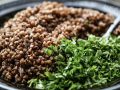
What happens to our gut flora when we switch from a more animal-based diet to a more plant-based diet?
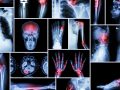
Much of the lead found in adults today was deposited into our skeletons decades ago and is just now leaching out from our bones into our blood. What are the health consequences of having lead levels down around the American average?

The reason egg consumption is associated with elevated cancer risk may be the TMAO, considered the “smoking gun” of microbiome-disease interactions.

Physical fitness authorities seem to have fallen into the same trap as the nutrition authorities, recommending what they think may be achievable, rather than simply informing us what the science says and letting us make up our own mind.
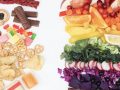
It may be more expedient politically to promote an increase in consumption of healthy items rather than a decrease in consumption of unhealthy items, but it may be far less effective.

There is a food that offers the best of both worlds—significantly improving our ability to detox carcinogens like diesel fumes and decreasing inflammation in our airways—all while improving our respiratory defenses against infections.

Selecting foods to improve pelvic blood flow and decrease inflammation both immediately after a meal and for the long term may improve sexual functioning in men and women.

When done right, love may protect your lover’s life.
What we eat determines what kind of bacteria we foster the growth of in our gut, which can increase or decrease our risk of some of our leading killer diseases.

Within 40 minutes of green tea consumption, we get a boost in antioxidant power in our bloodstream, and, within 60 minutes, an upregulation of DNA repair.

What role do soy phytoestrogens play in the prevention and treatment of breast cancer?
An extraordinary thing happened when those at high risk for heart disease were randomized to give blood—and it had nothing to do with their heart.

What are the protective components of dietary patterns and foods associated with lower risk of cerebrovascular disease, or stroke?

What happened to women who were randomized to eat more meat and dairy during pregnancy? What effect does animal protein consumption have on cortisol and testosterone levels in men?
The current generation of American kids may be one of the first generations to be less healthy and have shorter lifespans than their parents.

One third of men in their 30s may already have tiny, cancerous tumors in their prostates. How much tea would we have to drink to build up cancer-suppressing levels in our prostate tissue?

How the egg industry funded a study designed to cover up the toxic trimethylamine oxide reaction to egg consumption.
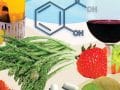
Should the active ingredient in aspirin be considered an essential vitamin?

Can the consumption of sesame seeds improve the clinical signs and symptoms of arthritis?

Given that diet is the number-one cause of death and disability, nutrition is surely the number-one subject taught in medical school, right? And it’s certainly the number-one issue your doctor talks with you about, right? If only. How can there be such a disconnect between the available evidence and the practice of medicine?