
Is Keto an Effective Cancer-Fighting Diet?
The clinical use of ketogenic diets for epilepsy and cancer: what does the science say?
The clinical use of ketogenic diets for epilepsy and cancer: what does the science say?
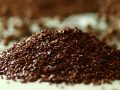
Are flax seeds like bitter almonds, where just a few ounces could kill you, or more like regular almonds, where regular dietary intake wouldn’t even come close?
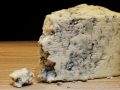
How do we explain the increased risk of prostate cancer but the decreased risk of colon cancer associated with dairy consumption?
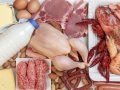
The relationship between the consumption of eggs and other cholesterol-rich foods and cancers of the colon, breast, endometrium, pancreas, and throat.

Dairy is compared to other foods for cardiovascular (heart attack and stroke) risk.

The secret to unlocking the benefits of chia seeds may be grinding them up.

What happened when researchers tried to tease out what’s in dairy that interferes with the health benefits of berries and tea?
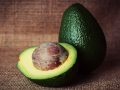
High-fat plant foods—avocados, peanuts, and walnuts—and olive oil are put to the test.
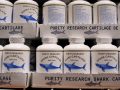
Why are millions of dollars spent on shark cartilage supplements?
What are the effects of dairy products, sugar, and chocolate on the formation of pimples?

Does excluding dairy products, food additives, and gluten-containing grains from one’s diet help those with recurring canker sores (aphthous ulcers)?

What did the most comprehensive double-blind study of diet for autism find, and what are the potential downsides?

What happens when autistic children on gluten- and casein-free diets are covertly challenged with wheat and dairy?

The original randomized, controlled trials of gluten- and casein-free diets may have been complicated by parental expectation bias.

What were the results of the first randomized controlled study of a dietary intervention for Autism Spectrum Disorder (ASD)?

The casomorphins—breakdown products of casein, a milk protein, with opiate-like activity—in bovine milk appear to have opposite effects than those from human breast milk on infant development, but what about A2 cow’s milk?

Casomorphins—breakdown products of casein, a milk protein, with opiate-like activity—may help explain why autism symptoms sometimes improve with a dairy-free diet.
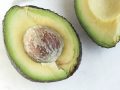
Avocado consumption can improve artery function, but what effect might guacamole have on cancer risk?
Dramatic improvements in autistic children when they have a fever suggest that the disease may be reversible if one can replicate the phenomenon in other ways.
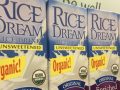
I recommend people switch away from using rice milk.

Whole plant sources of sugar and fat can ameliorate some of the postprandial (after-meal) inflammation caused by the consumption of refined carbohydrates and meat.
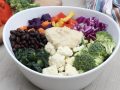
Within hours of eating an unhealthy meal, we can get a spike in inflammation, crippling our artery function, thickening our blood, and causing a fight-or-flight nerve response. Thankfully, there are foods we can eat at every meal to counter this reaction.
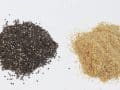
What effect do chia seeds have on weight loss, blood sugar, cholesterol, blood pressure, and inflammation?

The FDA appears to have caved to industry pressure and allows intestines potentially infected with mad cow disease prions into food products and lipstick.

The majority of specialists in the field agreed that paraTB in meat and dairy likely represents a risk to human health and should be a high- or medium-priority public health issue.

“Fear of consumer reaction” led the U.S. dairy industry to suppress the discovery in retail milk of live paraTB bacteria, a pathogen linked to type 1 diabetes.
What happened to women who were randomized to eat more meat and dairy during pregnancy? What effect does animal protein consumption have on cortisol and testosterone levels in men?
Is it the casein or the cow insulin that explains the link between milk consumption and the development of type I diabetes?

Why might exposure to bovine proteins increase the risk of childhood-onset autoimmune type 1 diabetes?
How can soy foods have it both ways with pro-estrogenic effects in some organs that can protect bones and reduce hot flash symptoms, yet also anti-estrogenic effects in others that protect against breast and endometrial cancer?

The link between Parkinson’s and dairy may not be explained just by the pesticides and lactose.

Why do those eating plant-based diets appear to suffer less from morning sickness?

What pregnant women eat may affect even the health of their grandchildren.

What is the baggage that comes along with the nutrients in your food?
What are the three significant dietary risk factors for declining kidney function?
What happens when we put cancer on a plant-based diet?

What is the optimal source and amount of protein for senior citizens?

Only about 1 in 10,000 people live to be 100 years old. What’s their secret?
Neurotoxin contamination of the dairy supply doesn’t explain why the association between Parkinson’s and skim milk consumption is as strong as the disease’s association with whole milk.

In this “best-of” compilation of his last four year-in-review presentations, Dr. Greger explains what we can do about the #1 cause of death and disability: our diet.