
Citrus Peels and Cancer: Zest for Life?
The reason eating citrus fruits appears to protect against cancer may be because of DNA repair enzyme-boosting powers of a compound concentrated in the peel.
The reason eating citrus fruits appears to protect against cancer may be because of DNA repair enzyme-boosting powers of a compound concentrated in the peel.

I recommend all pregnant and breastfeeding women follow the consensus guidelines to get about 200mg of preformed DHA from a pollutant-free source.

Does maternal supplementation with the long-chain omega-3 fatty acid DHA improve psychomotor, mental, visual, or physical development of infants?

Chlorophyll in our bloodstream after eating greens may react with wavelengths of sunlight that penetrate through our skin to reactivate the antioxidant Coenzyme Q10 (ubiquinol).
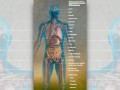
A quarter teaspoon of the spice turmeric was put to the test for the treatment of uncontrollable lupus (SLE) nephritis in a randomized, double-blind, placebo-controlled clinical trial.

If copper is associated with Alzheimer’s disease, what about healthy, whole plant food sources such as nuts, seeds, beans, and whole grains?
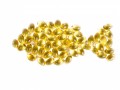
What’s the best way to fulfill the omega-3 essential fat requirements?

A randomized, double-blinded, placebo-controlled trial on the use of the turmeric pigment curcumin to prevent diabetes in prediabetics is published with extraordinary results.

If studies from the 1970s showed cancer patients treated with vitamin C lived 4 times longer and sometimes even 20 times longer, why isn’t it standard practice today?

Research on resveratrol, a component of red wine, looked promising in rodent studies, but what happened when it was put to the test in people?
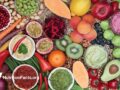
The extraordinarily low rates of chronic disease among plant-based populations have been attributed to fiber, but reductionist thinking may lead us astray.
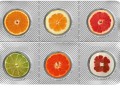
The whole food is greater than the sum of its parts: how unscrupulous marketers use evidence that ties high blood levels of phytonutrients with superior health to sell dietary supplements that may do more harm than good.

What is the optimal daily dietary calcium intake and might benefits for your bones outweigh the risks to your heart from taking calcium supplements?

The unnaturally large, rapid, and sustained calcium levels in the blood caused by calcium supplements may explain why calcium from supplements, but not from food, appears to increase the risk of heart attacks.
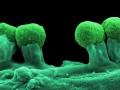
Why does our immune system confuse unhealthy diets with dysbiosis—an overrun of bad bacteria in our colon?

What is the latest science on the performance-enhancing qualities of nitrate-rich vegetables?
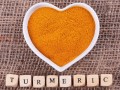
Diet and exercise synergize to improve endothelial function, the ability of our arteries to relax normally.
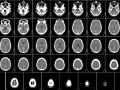
One week on a plant-based diet can significantly drop blood levels of homocysteine, a toxin associated with cognitive decline and Alzheimer’s disease. Without vitamin B12 supplementation, though, a long-term plant-based diet could make things worse.
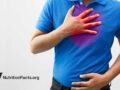
Which foods should we eat and avoid to prevent and treat acid reflux before it can place us at risk for Barrett’s esophagus and cancer?

Neither antioxidant or folic acid supplements seem to help with mood, but the consumption of antioxidant-rich fruits and vegetables and folate-rich beans and greens may lower the risk for depression.

The ongoing global drop in male fertility may be associated with saturated fat intake and lack of sufficient fruits and vegetables.

A study of 13 over-the-counter children’s fish oil supplements found that all were contaminated with PCB pollutants.

What a teaspoon a day of the spice turmeric may be able to do for those suffering from Alzheimer’s disease.
Improvements in natural killer cell immune function may explain both the anti-cancer benefits of exercise as well as the apparent anti-virus effects of the green algae chlorella.
Broccoli sprouts are compared to “Broccomax” supplements.
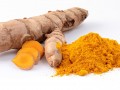
What role might the spice turmeric play in both the prevention of precancerous polyps, and the treatment of colorectal cancer?
Though the most concentrated sources of the toxic metal cadmium are cigarette smoke, seafood, and organ meats, does greater consumption from whole grains and vegetables present a concern?
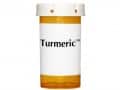
Barriers to patent natural commodities, such as the spice turmeric, keeps prices low—but if no one profits, where is the research funding going to come from?

Whole fruits and vegetables were compared to both antioxidant pills, as well as supplements containing fruits and vegetable extracts, for their ability to treat seasonal allergies, improve lung function, and control asthma.
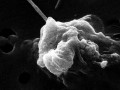
The spice turmeric appears to be able to switch back on the self-destruct mechanism within cancer cells.
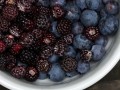
The consumption of blueberries and strawberries is associated with delayed cognitive aging by as much as 2.5 years—thought to be because of brain-localizing anthocyanin phytonutrients, as shown on functional MRI scans.
The oxidation of high-fat and cholesterol-rich foods in our stomachs may help explain why eating antioxidant packed foods appears to reduce heart attack and stroke risk.
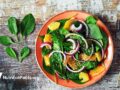
Antioxidant intake from foods (not supplements) is associated with lower cancer risk.
Advice to eat oily fish, or take fish oil, to lower risk of heart disease, stroke, or mortality is no longer supported by the balance of available evidence.
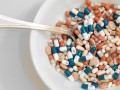
What does the best available science say about the role multivitamins may play in heart disease, cancer, and longevity?

Just because something is natural and plant-based doesn’t mean it’s necessarily safe. Those who are pregnant, have gallstones, or are susceptible to kidney stones may want to moderate their turmeric consumption.

Certain berries may help relieve visual fatigue associated with staring at a computer screen all day.

Kale and collard greens contain vision-protecting plant nutrients, such as zeaxanthin, that may significantly lower the risk of glaucoma—a leading cause of blindness.
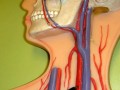
The cardiovascular benefits of plant-based diets may be severely undermined by vitamin B12 deficiency.

Risk/benefit analysis of 33 fish species contrasts the brain-boosting effects of DHA with the brain-damaging effects of mercury, to determine the net effect on intelligence (IQ).