
Enhanced Athletic Recovery without Undermining Adaptation
Might the antioxidant and anti-inflammatory properties of plant-based diets undermine some of the benefits of exercise?
Might the antioxidant and anti-inflammatory properties of plant-based diets undermine some of the benefits of exercise?

Choline may be the reason egg consumption is associated with prostate cancer progression and death.

Those eating a more plant-based diet may naturally have an enhanced antioxidant defense system to counter the DNA damage caused by free radicals produced by high-intensity exercise.
Contamination of spirulina supplements with toxins from blue-green algae raises safety concerns.

Multilevel marketing companies accused of using exaggeration and pseudoscience to promote potentially dangerous products, such as Metabolife and Hydroxycut, by designing studies that appear to purposely mislead consumers.

Based on studies of atomic bomb survivors, Chernobyl victims, and airline pilots exposed to more cosmic rays at high altitudes, it appears that fruits and vegetables may decrease radiation-induced chromosome damage.
Proper timing of probiotic supplements may improve their survival.

Though prebiotics may be preferable, probiotics may reduce the risk of upper respiratory tract infections.

Drug companies and supplement manufacturers have yet to isolate the components of cranberries that suppress cancer cell growth.
The ability of eleven common fruits to suppress cancer cell growth in vitro was compared. Which was most effective—apples, bananas, cranberries, grapefruits, grapes, lemons, oranges, peaches, pears, pineapples, or strawberries?
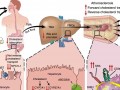
Expanding on the subject of my upcoming appearance on The Dr. Oz Show, a landmark new article in the New England Journal of Medicine shows that choline in eggs, poultry, dairy, and fish produces the same toxic TMAO as carnitine in red meat—which may help explain plant-based protection from heart disease and prostate cancer.
A daily tablespoon of ground flax seeds for a month appears to improve fasting blood sugars, triglycerides, cholesterol, and hemoglobin A1c levels in diabetics.
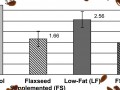
Researchers set out to find out what it was about a flax seed-supplemented, lower-fat diet that so effectively appeared to decrease prostate cancer growth.

What happens when men with prostate cancer and prostatic intraepithelial neoplasia (PIN) are placed on a relatively low-fat diet, supplemented with ground flax seeds?
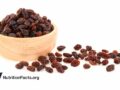
Raisins may be preferable to sports supplement jelly beans and commercial energy gels.

The average number of bowel movements a week is compared between those eating prunes, those taking a fiber supplement, and those eating a strictly plant-based diet.
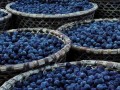
An independent review of the effects of açaí berries was recently published, including studies on immune function, arthritis, and metabolic parameters.
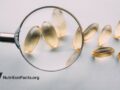
Vitamin D3—sourced from sunlight exposure, animal, and plant sources—may be preferable to vitamin D2 sourced from fungi.
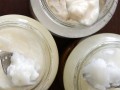
Though there have been more than a thousand papers published on coconut oil in medical journals, there is little evidence it helps with Alzheimer’s disease.

Even vegetarians could potentially be exposed to the carcinogens typically formed by cooking meat through eggs, cheese, creatine sports supplements, and cigarette smoke.

Plant-based diets appear to decrease inflammation via a variety of mechanisms—including boosting our adrenal gland function, due to the consumption of potassium rich foods.
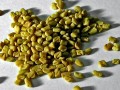
The spice fenugreek appears to significantly improve muscle strength and weightlifting power output, while possessing anticancer properties in vitro.
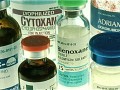
For decades, studies on Gerson therapy for cancer have questioned its safety and efficacy. But, what does the latest head-to-head trial of a Gerson-style regime, versus chemotherapy, show in terms of survival and quality of life for pancreatic cancer ?
Gerson Therapy is a largely diet-based alternative treatment for cancer. What have 65 years of medical research concluded about its efficacy and safety?

Common slimming supplements are found to be ineffective, whereas a diet centered on whole plant foods is described as perhaps the safest approach to weight control.
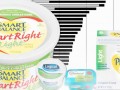
Whole food sources of phytosterols, such as seeds and nuts, are likely superior to supplements, or phytosterol-fortified spreads and beverages.
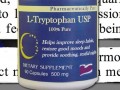
Tryptophan is the precursor to the “happiness hormone” serotonin, so why not take tryptophan supplements to improve mood and relieve symptoms of depression?
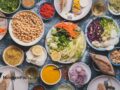
Despite promising autopsy and population data suggesting that inadequate magnesium intake is a risk factor for sudden cardiac death, it wasn’t until recently that this was demonstrated in prospective studies.
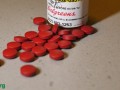
Iron is a double-edged sword. If we don’t absorb enough, we risk anemia; but if absorb too much, we may increase our risk of cancer, heart disease, and a number of inflammatory conditions. Because the human body has no mechanism to rid itself of excess iron, one should choose plant-based (non-heme) sources, over which our body has some control.
Death in America is largely a foodborne illness. Focusing on studies published just over the last year in peer-reviewed scientific medical journals, Dr. Greger offers practical advice on how best to feed ourselves and our families to prevent, treat, and even reverse many of the top 15 killers in the United States.

One mechanism by which caloric restriction may extend one’s lifespan is by upregulating dehydroepiandrosterone (DHEA), the most abundant steroid hormone in the human body. DHEA supplements are discouraged, but there may be a natural way to conserve levels as we age.

People taking dietary supplements may, in some cases, be paying to make themselves sick. This video covers folic acid, beta carotene, and green tea supplements.

A Consumer Reports investigation into the safety of protein supplements found that more than half exceed the California Prop 65 Safe Drinking Water and Toxic Enforcement Act action levels.

Supplement industry representative attempts to rebut a mea culpa editorial in an alternative medicine journal decrying the predatory nature of dietary supplement marketing.

The accuracy of medical advice given by staff at natural food stores is compared to that given by staff at community pharmacies, based on the balance of available scientific evidence.

Employees in natural food stores have been caught giving advice that is not only scientifically baseless, but also risky and downright dangerous.

Most health food store supplement aisle employees have little or no training and make wildly dissimilar recommendations. Even when they’re consistent, the levels of active ingredients in supplements may not be. We should not assume the multibillion dollar supplement industry has our best interests any closer to heart than the pharmaceutical industry.
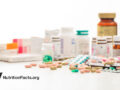
Studies in the U.S. and Canada focus on what advice and supplements natural food store employees would offer a woman suffering from breast cancer.

The variety of fruit and vegetable consumption may decrease disease risk, independent of quantity.

Vegetarians appear to get more of a cognitive boost than meat-eaters from creatine supplementation.