9 out of 10 Women Misinformed About Mammograms
Most women are just being told what to do, rather than being given the facts needed to make a fully informed decision.
Most women are just being told what to do, rather than being given the facts needed to make a fully informed decision.
Do calcium citrate and calcium carbonate have as much lead as calcium supplements derived from dolomite and animal bone?
How can the beta glucan fiber in brewer’s, baker’s, and nutritional yeast improve wound healing and, potentially, anti-cancer immunity?
Certain gut bacteria can supercharge the benefits of soy foods, resulting in even more bone protection, better control of menopausal symptoms, and lower prostate cancer risk, but how can we foster the growth of these good bacteria?
Does soy food consumption explain why Japanese women appear to be so protected from hot flash symptoms?
What are the effects of sodium and calcium intake on blood lead levels in pregnant and breastfeeding women?
The lead trapped in our skeleton can leach back into our bloodstream when we temporarily or permanently lose bone due to pregnancy, weight loss, menopause, or osteoporosis.

What role does diet and baby powder play in the development of fibroids and ovarian cancer?

Infants of mothers randomized to cut out eggs, milk, and fish were significantly less likely to have eczema even years later.

The casomorphins—breakdown products of casein, a milk protein, with opiate-like activity—in bovine milk appear to have opposite effects than those from human breast milk on infant development, but what about A2 cow’s milk?
Casomorphins—breakdown products of casein, a milk protein, with opiate-like activity—may help explain why autism symptoms sometimes improve with a dairy-free diet.
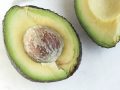
Avocado consumption can improve artery function, but what effect might guacamole have on cancer risk?

Women with uterine fibroids should consider adding green tea to their daily diet, as a randomized, double-blind, placebo-controlled interventional trial suggests it may help as well as surgery.
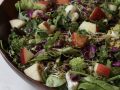
The same diet that helps regulate hormones in women may also reduce exposure to endocrine-disrupting pollutants.
What are the risks and benefits of getting an annual check-up from your doctor?
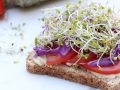
The sulforaphane found in five cents’ worth of broccoli sprouts has been shown to benefit autism in a way no drug ever has in randomized, double-blind, placebo-controlled study.
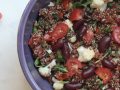
Might lectins help explain why those who eat more beans and whole grains have less cancer?

Given the lead contamination found in candies containing chili imported from Mexico, 25 hot sauces were tested for heavy metals.
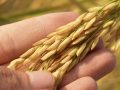
What are some strategies to reduce arsenic exposure from rice?
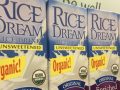
I recommend people switch away from using rice milk.

When it comes to rice and rice-based products, pediatric nutrition authorities have recommended that arsenic intake should be as low as possible.
Even at low-level exposure, arsenic is not just a class I carcinogen, but may also impair our immune function and increase our risk of cardiovascular disease and diabetes.

Açaí berries are touted for their antioxidant power, but does that translate into increased antioxidant capacity of your bloodstream when you eat them?
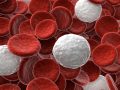
Since white blood cell count is such a strong predictor of lifespan, what should we aim for and how do we get it there?
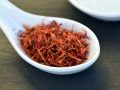
The spice saffron may not only work as well as SSRI antidepressant drugs like Prozac, Paxil, and Zoloft without the side effects, but it may even be able to treat the adverse sexual side effects that occur in up to 70 percent of people taking the drugs.

The reason egg consumption is associated with elevated cancer risk may be the TMAO, considered the “smoking gun” of microbiome-disease interactions.
Vitamin C is pitted head-to-head against antibiotics for bacterial vaginal infections.
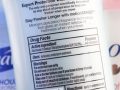
Shaving before applying underarm antiperspirants can increase aluminum absorption. Could this explain the greater number of tumors and the disproportionate incidence of breast cancer in the upper outer quadrant of the breast near the armpit?
What happens to hormone levels in women and men randomized to drink soy milk?

Do BPA-free plastics, such as Tritan, have human hormone-disrupting effects? And what about BPS and BPF?
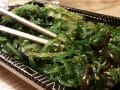
Eating seaweed salad may boost the efficacy of vaccinations and help treat cold sores, herpes, Epstein-Barr virus, and shingles.
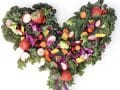
Selecting foods to improve pelvic blood flow and decrease inflammation both immediately after a meal and for the long term may improve sexual functioning in men and women.

An eighth of a teaspoon of ground ginger power is tested head-to-head against the leading drug for the alleviation of painful periods.
What are the benefits and risks of taking vitamin C supplements?

Which foods and cooking methods should we choose and avoid, given the role advanced glycation end products (glycotoxins) may play in polycystic ovary syndrome (PCOS)?
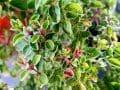
Even a small amount of fresh herbs can double or even quadruple the antioxidant power of a meal. The abilities of oregano to decrease chromosomal damage from radiation and marjoram to affect hormone levels in women with PCOS are put to the test.
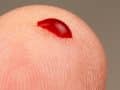
Eating meat during breastfeeding is associated with an increased risk of type 1 diabetes, perhaps a consequence of meat glycotoxins or paratuberculosis bacteria that may be passed though breast milk.

Five cents’ worth of seaweed a day may dramatically improve a major cause of disability and compromised quality of life among women.

Which dietary changes could reduce free radical damage and also improve DNA repair in women with mutated BRCA genes?
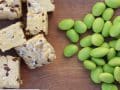
What role do soy phytoestrogens play in the prevention and treatment of breast cancer?