
Food Sources of Flame-Retardant Chemicals
Other than pet food and fish (which may be most contaminated), how do fire-retardant chemicals (PBDEs) and polychlorinated naphthalenes (PCNs) concentrate in the American food supply?
Other than pet food and fish (which may be most contaminated), how do fire-retardant chemicals (PBDEs) and polychlorinated naphthalenes (PCNs) concentrate in the American food supply?

The opiate-like effects of the casomorphin in cow’s milk may have a depressive effect on the respiratory center of infants, and lead to “milk apnea,” in which babies temporarily stop breathing, and are placed at risk for sudden infant death syndrome (crib death).
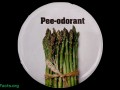
Young infants, and perhaps those with recurrent oxalate kidney stones, should avoid beets. But most commonly, the chief side effect is beeturia, the harmless passage of pink urine, though not all are affected—akin to the malodorous urine (“stinky pee”) that sometimes results from asparagus consumption.
Who should get tested for vitamin B12 (cobalamin) deficiency, and which is the best test to use: serum B12, methylmalonic acid (MMA), or holotranscobalamin levels?

Disinfectants used to sanitize cow udders may provide a source of iodine for dairy consumers, but can also increase the concentration of pus in milk from cows with staph infection mastitis.

Vitamin B12 is an imperative for those eating vegetarian and vegan diets, especially during pregnancy and infancy.

Vitamin B12 deficiency can be life-threatening.
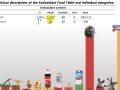
On average, plant foods have 64 times more antioxidant power than red meat, poultry, fish, dairy, and eggs— but is it a fair comparison?