Anti-Inflammatory Effects of Purple Potatoes
Antioxidant, anti-inflammatory properties of white compared to yellow and purple potatoes. Purple potatoes may also help lower high blood pressure.
For the same reason aspirin should be avoided in pregnancy, chamomile has such powerful anti-inflammatory properties that regular consumption may result in a serious fetal heart problem—premature constriction of the fetal ductus arteriosus, which allows the fetus to “breathe” in the womb.
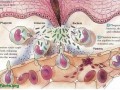
Mushrooms appear to have an anti-inflammatory effect on human arterial lining cells in vitro, which may help stop the inflammatory cascade, thought to be integral to the progression of atherosclerotic (artery-clogging) heart disease. The effects of shitake, crimini, oyster, maitake, and plain white button mushrooms are compared.
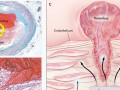
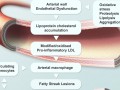
Atherosclerotic plaques in coronary arteries may be more aptly described as pimples, initiated by the infiltration of cholesterol into the lining of our arteries. The ending—should blood flow to our heart muscle be cut off by a clot formed by the rupture of one of these inflamed pockets of pus in our arterial lining—is a heart attack.
The variety of fruit and vegetable consumption may decrease disease risk, independent of quantity.
There are four common types of cinnamon: Vietnamese, Chinese (cassia), Indonesian, and Ceylon (true) cinnamon. Which is safest in terms of the level of coumarin, which may damage the liver at toxic doses?
6,000 cups of broccoli a year is probably too much.
Even when choosing the same quantity of fruits and vegetables, those making higher antioxidant choices experienced a reduction in C-reactive protein (inflammation) levels.
The four most antioxidant-packed natural substances so far tested are cloves, amla (Indian gooseberries), triphala (a combination of amla, bibhitaki, and haritaki fruits), and dragon’s blood.
Which common dried fruit is the most antioxidant-packed: apple rings, dried apricots, dried cherries, dried mango, prunes, or raisins?
What is responsible for the rising prevalence of atopic diseases, such as food allergies, asthma, hay fever, and eczema?
Advanced glycation end products (AGEs) in our diet are thought to accelerate the aging process.
The egg industry is attempting to improve the fatty acid lipid profile of eggs by feeding blubber from the Canadian harp seal hunt to laying hens.
Chicken and eggs are the top sources of arachidonic acid in the diet—an omega-6 fatty acid involved in our body’s inflammatory response.
Arachidonic acid may play a role in cancer, asthma, inflammatory bowel disease, rheumatoid arthritis, and other autoimmune disorders.
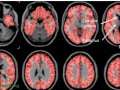
The purported role arachidonic acid plays in brain inflammation could explain why eliminating chicken, fish, and eggs may improve symptoms of mood disturbance, depression, anxiety, and stress within two weeks.
Cardiology experts warn that eating even a single egg a day may exceed the safe upper limit for cholesterol intake.