
Brown Fat: Losing Weight Through Thermogenesis
Brown adipose tissue is a unique organ that burns fat to create heat, improving temperature regulation in infants and weight loss in adults.
Brown adipose tissue is a unique organ that burns fat to create heat, improving temperature regulation in infants and weight loss in adults.
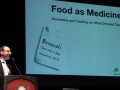
Dr. Greger has scoured the world’s scholarly literature on clinical nutrition and developed this new presentation based on the latest in cutting edge research exploring the role diet may play in preventing, arresting, and even reversing some of our most feared causes of death and disability.

What was the medical community’s reaction to being named the third leading cause of death in the United States?
Peppermint essential oil should be considered the first-line treatment for IBS.

The reversal of blindness due to hypertension and diabetes with Dr. Kempner’s rice and fruit diet demonstrates the power of diet to exceed the benefits of the best modern medicine and surgery have to offer.

What happened when the World Health Organization had the gall to recommend a diet low in saturated fat, sugar, and salt and high in fruit and vegetables?

Music can beat out anti-anxiety drugs, Mozart can reduce allergic reactions, and how listening to your favorite tunes can significantly affect your testosterone levels.

The first-line treatment for hypertension is lifestyle modification, which often includes the DASH diet. What is it and how can it be improved?
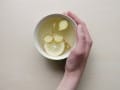
An eighth teaspoon of powdered ginger was found to work as well as the migraine headache drug sumatriptan (Imitrex) without the side effects.
What might happen if nutritional excellence were taught in medical school?
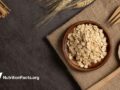
Less than 3% of Americans meet the daily recommended fiber intake, despite research suggesting high-fiber foods such as whole grains can affect the progression of coronary heart disease.
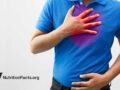
Which foods should we eat and avoid to prevent and treat acid reflux before it can place us at risk for Barrett’s esophagus and cancer?
What is the contemporary relevance of Dr. Kempner’s rice and fruit protocol for the reversal of chronic disease?
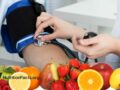
High blood pressure, the #1 killer risk factor in the world, may be eliminated with a healthy enough diet.
Freedom of Information Act documents show drug companies hid critical findings from doctors and the public.

Aerobic exercise interventions found comparable to antidepressant medication in the treatment of patients with major depressive disorder.

More people might be open to changing their diet and lifestyle if they knew how little modern medicine has to offer for combating chronic diseases.

The medical profession oversells the benefits of drugs for chronic disease since so few patients would apparently take them if doctors divulged the truth.
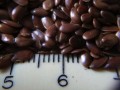
Extraordinary results reported in a rare example of a double-blinded, placebo-controlled, randomized trial of a dietary intervention (flaxseeds) to combat one of our leading killers, high blood pressure.
If foods like berries and dark green leafy vegetables have been found protective against cognitive decline, why aren’t they recognized as such in many guidelines?
Approximately 1 in 3 Americans have prediabetes, but only about 1 in 10 knows it. What works better at preventing it from turning into full-blown diabetes—drugs or diet and exercise?

By testing chicken feathers for chemical residues, researchers aim to find out what the poultry industry is feeding their birds. The presence of banned drugs and a broad range of pharmaceuticals raises concern, recalling the time in which DES was fed to chickens for years after it was shown to cause human vagina cancer.
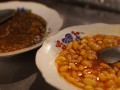
There’s a reason that professional diabetes associations recommend bean, chickpea, split pea, and lentil consumption as a means of optimizing diabetes control.
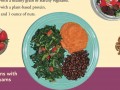
Kaiser Permanente, the largest U.S. managed care organization, publishes patient education materials to help make plant-based diets the “new normal” for patients and physicians.

The pharmaceutical industry is starting to shift away from designing single target drugs to trying to affect multiple pathways simultaneously, much like compounds made by plants, such as aspirin and curcumin—the pigment in the spice turmeric.
Barriers to patent natural commodities, such as the spice turmeric, keeps prices low—but if no one profits, where is the research funding going to come from?
A new concept in biology tries to explain why the consumption of certain natural compounds in plants may mimic the lifespan-enhancing benefits of caloric restriction.
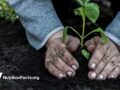
Plants and animals share similar biochemical pathways and signaling systems, which may explain why so many phytonutrients are beneficial to our physiology.
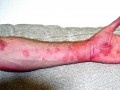
The rising incidence of tick-bite induced meat allergies may account for cases of previously unexplained (“idiopathic”) persistent hives among children.
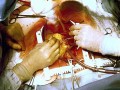
When doctors withhold dietary treatment options from cardiac patients, they are violating the cornerstone of medical ethics, informed consent.
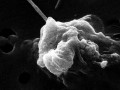
The spice turmeric appears to be able to switch back on the self-destruct mechanism within cancer cells.
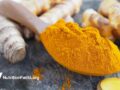
Dramatically lower cancer rates in India may in part be attributable to their more plant-based, spice-rich diet.

The smell of sweet orange essential oil may have anxiety-reducing properties without the potentially addictive, sedating, and adverse effects of Valium-type benzodiazepine drugs.
Just because something is natural and plant-based doesn’t mean it’s necessarily safe. Those who are pregnant, have gallstones, or are susceptible to kidney stones may want to moderate their turmeric consumption.
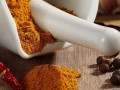
Dietary strategies, including the use of black pepper (piperine), can boost blood levels of curcumin from the spice turmeric by up to 2,000%.

The yellow pigment curcumin in the spice turmeric may work as well as, or better than, anti-inflammatory drugs and painkillers for the treatment of knee osteoarthritis.
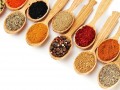
Randomized controlled trial comparing the safety and efficacy of drugs versus curcumin, the yellow pigment in the spice turmeric, for the treatment of autoimmune inflammatory rheumatoid arthritis.
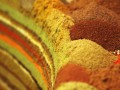
An elegant experiment is described in which the blood of those eating different types of spices—such as cloves, ginger, rosemary, and turmeric—is tested for anti-inflammatory capacity.
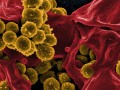
The level of multidrug antibiotic-resistant bacteria contamination is compared between meat from animals raised conventionally, and certified organic meat from animals raised without being fed antibiotics.
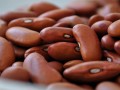
Women who consume the most high-phytate foods (whole grains, beans, and nuts) appear to have better bone density.