Shrimp
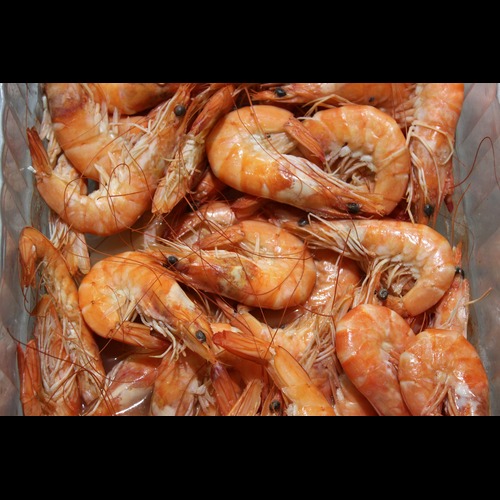
Most shrimp is now farmed rather than wild-caught. The primary potential food safety hazards of consuming farmed shrimp include infectious disease, chemical contamination, and veterinary drug residues.
Shrimp is the second leading dietary source of mercury (behind tuna), and there are significant human health concerns with shrimp consumption in terms of banned pesticides, flame retardants, and polycyclic aromatic hydrocarbons. For instance, eating just one shrimp could give you as much as 50 times more DDT than is considered safe.
Foodborne illness is another issue—even with precooked, ready-to-eat shrimp, which have been found to be an international vehicle of antibiotic-resistant bacteria. As shrimp farming has intensified, occurrences of disease problems have increased as a direct result of higher stocking densities at shrimp farms, causing stress-initiated disease, then rapid transmission of infectious diseases. Along with more disease comes more use of antibiotics and disinfectant chemicals to keep the animals from dying prematurely, which has led to more antibiotic-resistant bacteria. When 13 brands of ready-to-eat shrimp from four countries of origin were obtained from local grocery stores in the United States, for instance, 81% of the bacterial species picked up were antibiotic-resistant. Foodborne pathogens were found in every single sample tested.
Among different kinds of seafood, shrimp have had the highest frequency of veterinary drug violations, primarily for chloramphenicol (banned 35 years ago in the United States) and nitrofurans (banned for use in animals produced for human consumption in Europe and the United States).
Shrimp also have about twice as much cholesterol as other animal products. When researchers gave individuals the same amount of cholesterol in the form of either shrimp or eggs, they got about the same rise in LDL cholesterol, which could increase our lifetime risk of heart disease by about 15%.
Image Credit: Unsplash
Popular Videos for Shrimp
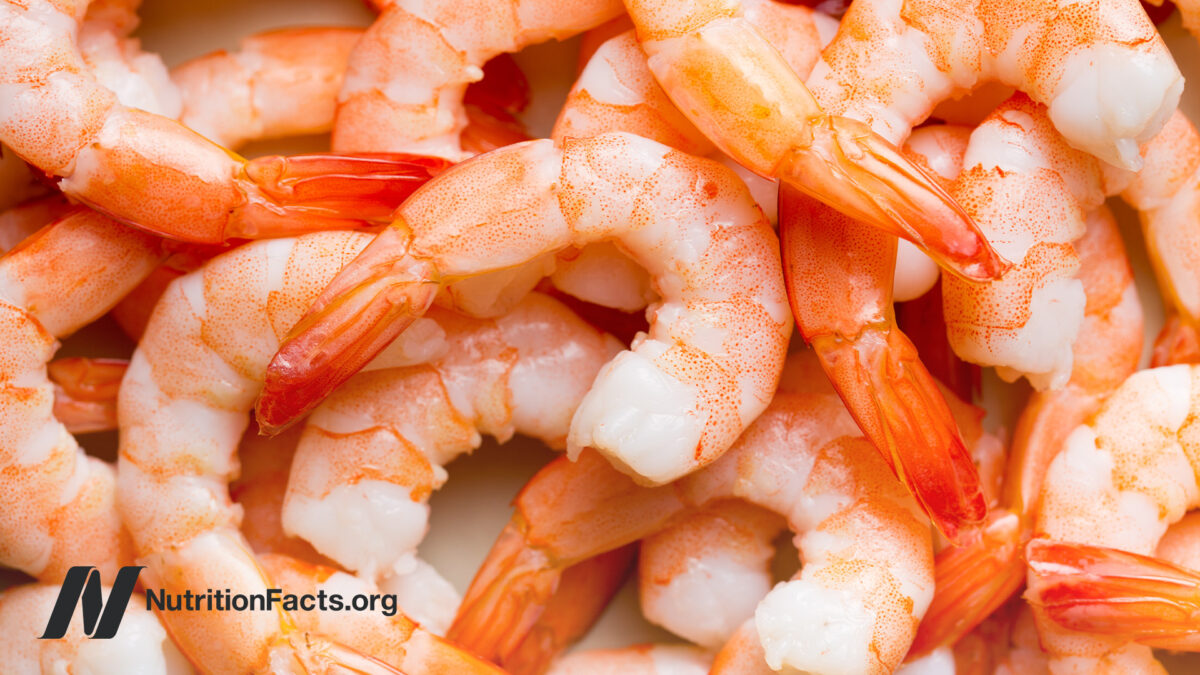
Is Shrimp Bad for Cholesterol and Heart Disease?
Might asymptomatic food sensitivities to gluten, milk, peanuts, eggs, or shrimp increase the risk of...All Videos for Shrimp
-

Is Shrimp Good for You? Pollutants and Food Safety
Eating just a single shrimp could exceed the safety limit for banned pesticides and chemicals.
-
Is Shrimp Bad for Cholesterol and Heart Disease?
Might asymptomatic food sensitivities to gluten, milk, peanuts, eggs, or shrimp increase the risk of premature death for those who eat these foods?