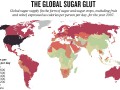
How Much Added Sugar Is Too Much?
Are table sugar and high fructose corn syrup just empty calories or can they be actively harmful?
Are table sugar and high fructose corn syrup just empty calories or can they be actively harmful?

Consumption of even small amounts of garlic or raisins are associated with significantly lower risk of pregnant women going into premature labor or having their water break too soon.

Appeasement by the food industry through partnerships with children’s organizations to steer the focus to inactivity rather than our diet recalls tobacco industry-style tactics and may require tobacco industry-style regulation.

Dr. Greger has scoured the world’s scholarly literature on clinical nutrition and developed this new presentation based on the latest in cutting-edge research exploring the role diet may play in preventing, arresting, and even reversing some of our leading causes of death and disability.

What effect do corporate sponsorships from food companies have on the American Academy of Family Physicians and the Registered Dietitian organization (formally known as the American Dietetic Association)?

What do studies not funded by the chocolate industry show about the effect of cocoa on arterial health?

A study involving more than a million kids suggests the striking worldwide variation in childhood rates of allergies, asthma, and eczema is related to diet.

What if billions in tax dollars were invested in healthier options, rather than given to corporations to subsidize the very foods that are making us sick?

What role has inactivity played in the obesity epidemic and how much should we be exercising?

Concern that one of the most commonly-consumed food colorings may cause cancer has led to changes in soft drink formulation in California.

Those eating calorie-dense diets may have a reduced capacity to enjoy all of life’s pleasures by deadening dopamine pathways in the brain.

Evidence from PET scans suggests brain activity changes from the overconsumption of sugar may parallel that of drug addiction. Diminished “pleasure center” dopamine pathway sensitivity in obese individuals may be analogous to that found in cocaine addicts and alcoholics.

The consumption of phosphorus preservatives in junk food, and injected into meat, may damage blood vessels, accelerate the aging process, and contribute to osteoporosis.

The beef industry designed a study to show that a diet containing beef was able to lower cholesterol—if one cuts out enough poultry, pork, fish, and cheese to halve one’s total saturated fat intake.

Public health campaigns can use vanity to improve fruit and vegetable consumption, since experiments show carotenoid phytonutrients improve the physical attractiveness of African, Asian, and Caucasian faces.

Dioxins, endocrine disrupting pollutants, heavy metals, saturated fat, and steroids in the meat supply may be affecting sperm counts, semen quality, and the ability of men to conceive.

Most children don’t drink water from when they wake up to when they go off to school. Interventional trials show this mild state of dehydration may negatively affect scholastic performance.

Those eating more sour fruit may risk greater erosion of their tooth enamel (especially if teeth are brushed in a softened state), but there’s a simple solution.

The disconnect between sweetness sensations coming from our tongue, and the lack of a caloric feedback loop in the gut, may result in overeating.

People consuming low-calorie sweeteners may overcompensate by eating more than they otherwise would.

Aspartame may be the reason that diet soda consumption during pregnancy has been linked to premature birth.

Flavonoid phytonutrients (found concentrated in citrus, berries, red onions, beans, green tea, grapes, and cocoa) may boost metabolism enough to significantly slim one’s waistline.

Iron is a double-edged sword. If we don’t absorb enough, we risk anemia; but if absorb too much, we may increase our risk of cancer, heart disease, and a number of inflammatory conditions. Because the human body has no mechanism to rid itself of excess iron, one should choose plant-based (non-heme) sources, over which our body has some control.

There are thousands of flavonoid phytonutrients in fruits, vegetables, and other whole plant foods missing from the nutrition labels that may play a role in delaying the onset of Alzheimer’s disease.

Unlike the United States, where the agriculture department is the lead agency on formulating dietary recommendations, other countries such as Greece rely on their health department. What do their dietary guidelines look like?

He who pays the piper calls the tune: studies funded by the dairy and soda industries appear to be even more biased than studies funded by drug companies.

Rate your diet on a scale of 0 to 100 using the phytochemical index, and compare your score to the Standard American Diet.
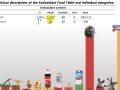
On average, plant foods have 64 times more antioxidant power than red meat, poultry, fish, dairy, and eggs— but is it a fair comparison?