
Why Was Heart Disease Rare in the Mediterranean?
What was it about the diet on the Greek isle of Crete in the 1950s that made it so healthy?
What was it about the diet on the Greek isle of Crete in the 1950s that made it so healthy?
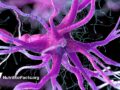
Advanced glycation end products in our diet may suppress sirtuin enzyme activity and play a role in age-related brain volume loss.

If foods like berries and dark green leafy vegetables have been found protective against cognitive decline, why aren’t they recognized as such in many guidelines?

The effects of the neurotoxins that can contaminate fish like red snapper and grouper can last for decades.

The reason artificially sweetened beverages have been associated with depression may be because of psychological disturbances recently tied to aspartame (“Equal” or “NutraSweet”).

The role of the Mediterranean diet in preventing and treating dementia.
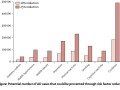
Lifestyle changes could potentially prevent hundreds of thousands of cases of Alzheimer’s disease every year in the United States

Flax seed consumption may play a role in preventing and treating breast cancer by blocking the inflammatory effects of interleukin-1.

The tea plant concentrates aluminum from the soil into tea leaves, but phytonutrients in tea bind to the metal and limit its absorption.
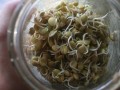
How do canned versus germinated beans (such as sprouted lentils) compare when it comes to protecting brain cells and destroying melanoma, kidney, and breast cancer cells.

What a teaspoon a day of the spice turmeric may be able to do for those suffering from Alzheimer’s disease.

Rural India has the lowest validated Alzheimer’s rates in the world. Is it due to the turmeric in their curry, or their largely plant-based diets?

Dr. Greger has scoured the world’s scholarly literature on clinical nutrition and developed this new presentation based on the latest in cutting-edge research exploring the role diet may play in preventing, arresting, and even reversing some of our leading causes of death and disability.

Over-activated TOR signaling may help explain the link between acne and subsequent risk for prostate and breast cancer.

Neurotoxins in chicken, such as the beta-carboline alkaloid harman, may explain the link between meat consumption and hand tremor, the most common movement disorder.

Grain consumption appears strongly protective against Alzheimer’s disease, whereas animal fat intake has been linked to dementia risk.

The consumption of blueberries and strawberries is associated with delayed cognitive aging by as much as 2.5 years—thought to be because of brain-localizing anthocyanin phytonutrients, as shown on functional MRI scans.

How many months does it take to clear 99% of the mercury and other industrial toxins from one’s body, and what role might our fat stores play in holding on to fat-soluble pollutants?
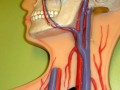
The cardiovascular benefits of plant-based diets may be severely undermined by vitamin B12 deficiency.

Risk/benefit analysis of 33 fish species contrasts the brain-boosting effects of DHA with the brain-damaging effects of mercury, to determine the net effect on intelligence (IQ).

Exposure to mercury during pregnancy appears to influence fetal brain development, as detected by decreased size of a newborn’s brain.

Chronic headaches such as migraines or “tension” headache symptoms may be a sign of pork tapeworms in the brain.

A plant-based diet may not only be the safest treatment for multiple sclerosis; it may also be the most effective.

By age 10, nearly all kids have fatty streaks in their arteries. This is the first sign of atherosclerosis, the leading cause of death in the United States. So the question for most of us is not whether we should eat healthy to prevent heart disease, but whether we want to reverse the heart disease we may already have.

A higher rate of cancer deaths among those that handle and process meat is attributed to infection with viruses, and chronic exposure to animal proteins.

In response to definitive evidence showing artificial colors may increase inattentiveness, impulsivity, and hyperactivity among young children, a call has been made by consumer groups to ban food dyes.
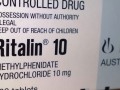
Exercise has been shown to be effective in controlling attention deficit and hyperactivity disorder symptoms, and carries only positive side effects.

Natural monoamine oxidase enzyme inhibitors in fruits and vegetables may help explain the improvement in mood associated with switching to a plant-based diet.

Getting bitewing or full mouth (panoramic) X-rays at the dentist may be associated with an increased risk of meningioma, the most common type of brain tumor.
Pediatric CAT scans are estimated to cause hundreds of cancer deaths every year.

A placebo-controlled clinical trial of lavender essential oil aromatherapy shows it to be an effective migraine therapy.

We’ve known our mental state can affect our gut flora, but might our good bacteria be affecting our mental state?

Drug companies and supplement manufacturers have yet to isolate the components of cranberries that suppress cancer cell growth.

Most children don’t drink water from when they wake up to when they go off to school. Interventional trials show this mild state of dehydration may negatively affect scholastic performance.
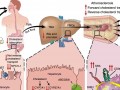
Expanding on the subject of my upcoming appearance on The Dr. Oz Show, a landmark new article in the New England Journal of Medicine shows that choline in eggs, poultry, dairy, and fish produces the same toxic TMAO as carnitine in red meat—which may help explain plant-based protection from heart disease and prostate cancer.

A similar exponential increase in carotid artery plaque buildup was found for smokers and egg eaters.

Plant-based diets in general, and certain plant foods in particular, may be used to successfully treat Parkinson’s disease—in part, by boosting L-DOPA levels.
Low levels of neurotoxic chemicals in cheese may explain the connection between dairy product consumption and Parkinson’s disease.

Sellers of coconut oil use a beef industry tactic to downplay the risks associated with the saturated fat in their products.

Though there have been more than a thousand papers published on coconut oil in medical journals, there is little evidence it helps with Alzheimer’s disease.

