Is It the Diet, the Exercise, or Both?
Whose blood is better at killing cancer cells? People who eat a standard diet and exercise strenuously, or those who eat a plant-based diet and just exercise moderately?
Whose blood is better at killing cancer cells? People who eat a standard diet and exercise strenuously, or those who eat a plant-based diet and just exercise moderately?
A workplace dietary intervention study at GEICO corporate headquarters demonstrates the power of plant-based eating.
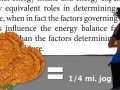
When asked whether food and beverage consumption, or physical activity, was more important, the majority of people get the answer wrong.

The water content of plant foods may help explain why those eating plant-based diets are, on average, so slim. Can ice be thought of as having even “fewer” calories than water, since the body has to warm it up?
Death in America is largely a foodborne illness. Focusing on studies published just over the last year in peer-reviewed scientific medical journals, Dr. Greger offers practical advice on how best to feed ourselves and our families to prevent, treat, and even reverse many of the top 15 killers in the United States.
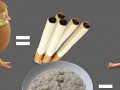
A competing risks analysis of the Harvard Nurses’ Health Study compares the danger of smoking cigarettes to the danger of animal product consumption (cholesterol), and the benefits of plant foods (fiber) to the benefits of exercise.

Plant-based diets may offer the best investment for dietary health.

The effect of raw and cooked broccoli consumption on survival rates of bladder cancer patients.
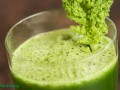
The effect of kale juice on LDL and HDL cholesterol, and the antioxidant capacity of the blood.
In the context of a healthy, plant-based diet, the nitrates in vegetables can safely be converted into nitric oxide, which can boost athletic performance, and may help prevent heart disease.

Frying bacon outdoors decreases the concentration of airborne nitrosamine carcinogens.

Phytonutrients, such as vitamin C, prevent the formation of nitrosamines from nitrites—which explains why adding nitrite preservatives to processed meat can be harmful, but adding more vegetables, with their nitrite-forming nitrates, to our diet can be helpful.
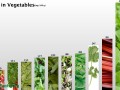
If nitrates can boost athletic performance and protect against heart disease, which vegetables have the most—beans, bulb vegetables (like garlic and onions), fruiting vegetables (like eggplant and squash), greens (such as arugula), mushrooms, root vegetables (such as carrots and beets), or stem vegetables (such as celery and rhubarb)?

The nitrate in vegetables, which the body can turn into the vasodilator nitric oxide, may help explain the role dark green leafy vegetables play in the prevention and treatment of hypertension (high blood pressure) and heart disease.
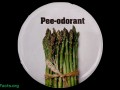
Young infants, and perhaps those with recurrent oxalate kidney stones, should avoid beets. But most commonly, the chief side effect is beeturia, the harmless passage of pink urine, though not all are affected—akin to the malodorous urine (“stinky pee”) that sometimes results from asparagus consumption.

Randomized, double-blind, placebo-controlled, crossover studies convinced the scientific establishment that nitrate-rich vegetables (such as beets) could noticeably improve athletic performance.
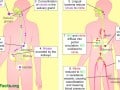
The natural flora on our tongue (lingual bacteria) are essential for the athletic performance-enhancing effect of the nitrates in vegetables such as beetroot.
To understand how beets could reduce the oxygen cost of exercise while improving athletic performance, one must review the biochemistry of energy production (ATP synthase), and the body’s conversion of nitrates to nitrites into nitric oxide.

Beets found to significantly improve athletic performance while reducing oxygen needs—upsetting a fundamental tenet of sports physiology.

Doctors found to be overconfident in their knowledge and ability to counsel patients about lifestyle modification for chronic disease prevention.
Nearly 2,000 comments were submitted to the U.S. Dietary Guidelines Advisory Committee. Watch what the Sugar Association, National Cattlemen’s Beef Association, and the chewing gum company, Wrigley’s, had to say.
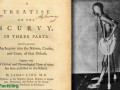
Why does the medical establishment sometimes ignore highly efficacious therapies, such as plant-based diets, for heart disease prevention and treatment?
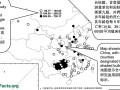
The China-Oxford-Cornell Diet and Health Project directed by T. Colin Campbell and colleagues showed that chronic diseases, such as heart disease, are not inevitable consequences of aging.

Dr. Dean Ornish proved decades ago that heart disease could be reversed solely with diet and lifestyle changes.

Medicare is now accepting for reimbursement the Dean Ornish Program for Reversing Heart Disease and the Pritikin Program, which, on a personal note, is what inspired me to go into medicine.
Erectile dysfunction may be an early warning sign for heart disease.

Doctors and other health professionals were put to the test for their nutrition knowledge regarding diet and heart disease.
Researchers discovered a dietary intervention that may slow the progression of cancer.