
Eating More to Weigh Less
Energy density explains how a study can show participants lose an average of 17 pounds within 21 days while eating a greater quantity of food.
Energy density explains how a study can show participants lose an average of 17 pounds within 21 days while eating a greater quantity of food.

Is it true there are foods like celery that take more calories to digest than they provide?
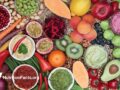
The extraordinarily low rates of chronic disease among plant-based populations have been attributed to fiber, but reductionist thinking may lead us astray.

A guideline is suggested for how to read food labels for grain products such as bread and breakfast cereals.

The processed food industries now use tactics similar to those used by cigarette companies to undermine public health interventions.

Why does our immune system confuse unhealthy diets with dysbiosis—an overrun of bad bacteria in our colon?

The microbiome revolution in medicine is beginning to uncover the underappreciated role our healthy gut bacteria play in nutrition and health.
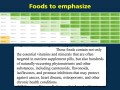
Based on the Dietary Guidelines for Americans, which foods best supply shortfall nutrients while avoiding disease-promoting components?

Health authorities appear to have taken the patronizing view that the public can’t handle the truth and would rather the science be watered down.

If the avoidance of sulfur-rich proteins and food additives can help prevent inflammatory bowel disease, might similar dietary changes help prevent relapses of ulcerative colitis?

If our body doesn’t register liquid calories as well, why are blended soups more satiating than the same ingredients eaten in solid form?

Might disrupting the fiber by blending fruit result in overly rapid sugar absorption?

Eating intact grains, beans, and nuts (as opposed to bread, hummus, and nut butters) may have certain advantages for our gut flora and blood sugar control, raising questions about blending fruits and vegetables.

Certain gut bacteria can “retoxify” carcinogens that your liver successfully detoxified, but these bacteria can be rapidly suppressed by simple dietary changes.

Protective properties of whole plant foods against diabetes include antioxidants, lipotropes, fiber, and the ability to suppress the estrogen-producing bacteria in our gut.
Dr. Greger has scoured the world’s scholarly literature on clinical nutrition and developed this new presentation based on the latest in cutting edge research exploring the role diet may play in preventing, arresting, and even reversing some of our most feared causes of death and disability.

The lignans in rye could explain why rye intake is associated with lower breast and prostate cancer risk.

The parable of the tiny parachute explains the study that found no relationship between dietary fiber intake and diverticulosis.
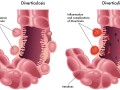
More than two-thirds of Americans over age 60 have diverticulosis, but it was nearly unknown a century ago, and remained extremely rare among populations eating whole food plant-based diets.

One week on a plant-based diet can significantly drop blood levels of homocysteine, a toxin associated with cognitive decline and Alzheimer’s disease. Without vitamin B12 supplementation, though, a long-term plant-based diet could make things worse.

Squatting and leaning can help straighten the anorectal angle, but a healthy enough diet should make bowel movements effortless regardless of positioning.

Most people have between 3 bowel movements a day and 3 a week, but normal doesn’t necessarily mean optimal.

Straining at stool over time may force part of the stomach up into the chest, contributing to GERD acid reflux disease. This may explain why hiatal hernia is extremely rare among populations eating high-fiber diets.

Even though modern African diets may now be as miserably low in fiber as American diets, Africans still appear to have 50 times less colorectal cancer than Americans (our second leading cancer killer).

Heme iron, the type found predominantly in blood and muscle, is absorbed better than the non-heme iron that predominates in plants, but may increase the risk of cancer, stroke, heart disease, and metabolic syndrome.

Less than 3% of Americans meet the daily recommended fiber intake, despite research suggesting high-fiber foods such as whole grains can affect the progression of coronary heart disease.

Which foods should we eat and avoid to prevent and treat acid reflux before it can place us at risk for Barrett’s esophagus and cancer?

Interventional studies support the population data that animal protein consumption appears to markedly increase the risk of kidney stones.
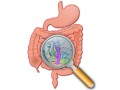
Sulfur dioxide preservatives in dried fruit, sulfites in wine, and the putrefaction of undigested animal protein in the colon can release hydrogen sulfide, the rotten egg gas associated with inflammatory bowel disease.

Insufficient intake of fiber-rich foods may lead to the stiffening of our arteries associated with risk of having a stroke.

Does the threshold for toxicity of fructose apply to fruit or just to added industrial sugars such as sucrose and high fructose corn syrup?

Is whole grain consumption just a marker for healthier behaviors, or do whole grains have direct health benefits?

Fermentation of fiber in the gut may help explain the dramatic differences in colorectal cancer incidence around the world.

The toxic rotten egg gas hydrogen sulfide may explain why animal protein is associated with inflammatory bowel disease.

Employee wellness programs may help boost the corporate bottom line.

The Paleolithic period represents just the last two million years of human evolution. What did our bodies evolve to eat during the first 90% of our time on Earth?

If foods like berries and dark green leafy vegetables have been found protective against cognitive decline, why aren’t they recognized as such in many guidelines?
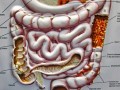
Diets centered around whole plant foods may help prevent Crohn’s disease through the benefits of fiber on the maintenance of intestinal barrier function and the avoidance of certain processed food additives such as polysorbate 80.

Plant-based diets appear to protect against renal cell carcinoma both directly and indirectly.

Does the fructose naturally found in fruit and fruit juice have the same adverse effects as excess “industrial fructose” (table sugar and high fructose corn syrup) and if not, why not?