
Curing Painful Diabetic Neuropathy
Diabetics suffering from nerve pain for years are cured within days with a plant-based diet.
Diabetics suffering from nerve pain for years are cured within days with a plant-based diet.

The myth that plant proteins are incomplete, necessitating protein combining, was debunked by the scientific nutrition community decades ago.

Eating a plant-based diet and avoiding scented personal care products and certain children’s and adult toys can reduce exposure to hormone-disrupting chemicals.

I recommend all pregnant and breastfeeding women follow the consensus guidelines to get about 200mg of preformed DHA from a pollutant-free source.

Even without an exercise component, a plant-based diet can reduce angina attacks 90% within 24 days.

The improvement of arterial function on a whole food, plant-based diet appears so pronounced that cardiac patients can achieve a 90% reduction in angina attacks.

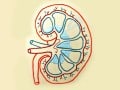
Plant-based diets have been shown to slow or stop the progression of kidney failure, but what about all the phosphorus and potassium in plant foods?

If copper is associated with Alzheimer’s disease, what about healthy, whole plant food sources such as nuts, seeds, beans, and whole grains?

Even when study subjects were required to eat so much that they didn’t lose any weight, a plant-based diet could still reverse type 2 diabetes in a matter of weeks.
If the uric acid crystals that trigger gout come from the breakdown of purines, should gout patients avoid even healthy, purine-rich foods, such as beans, mushrooms, and cauliflower?

Ancient dietary practices based on analyzing the fiber content of fossilized human waste can give us insights for combating the modern obesity epidemic.

What can we eat to combat “inflamm-aging,” the chronic low-grade inflammation that accompanies the aging process?
Dietary Acid Load is determined by the balance of acid-inducing food, such as meats, eggs, and cheeses, offset by base-inducing (“alkaline”) foods, such as fruits and vegetables.

Fatty streak formation occurs in human fetal arteries and is linked to the pregnant mother’s cholesterol level.

A randomized, double-blinded, placebo-controlled trial on the use of the turmeric pigment curcumin to prevent diabetes in prediabetics is published with extraordinary results.

Energy density explains how a study can show participants lose an average of 17 pounds within 21 days while eating a greater quantity of food.

The extraordinarily low rates of chronic disease among plant-based populations have been attributed to fiber, but reductionist thinking may lead us astray.

What happens to our gut flora microbiome when we’re on plant-based versus animal-based diets?

When placed head-to-head against the American Diabetes Association diet, how do plant-based diets fare in terms of not only blood sugar, body weight, and cholesterol control, but also mood and quality of life?
Why does our immune system confuse unhealthy diets with dysbiosis—an overrun of bad bacteria in our colon?

Anti-inflammatory drugs abolish the hyperfiltration and protein leakage response to meat ingestion, suggesting that animal protein causes kidney stress through an inflammatory mechanism.

Fish and fish oil consumption do not appear to protect against heart disease, arrhythmias, or sudden death, but why would they increase cancer risk?
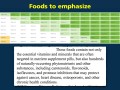
Based on the Dietary Guidelines for Americans, which foods best supply shortfall nutrients while avoiding disease-promoting components?

What happens inside the arteries going to the hearts and brains of those who add nuts or extra virgin olive oil to their diet?

Why is there a reticence to provide the public with guidelines that will spare them from preventable disease and premature death?

What would happen if you centered your diet around vegetables, the most nutrient-dense food group?

Lack of adequate blood flow to the brain due to clogging of cerebral arteries may play a pivotal role in the development and progression of Alzheimer’s dementia.

The most comprehensive controlled trial of diet and mood finds that a plant-based nutrition program in a workplace setting across ten corporate sites significantly improves depression, anxiety, and productivity.

While epidemics of chronic disease are currently by far our leading causes of death, global warming is considered a looming public health threat. How can we eat to combat dietary diseases and greenhouse gas emissions at the same time?

The consumption of animal fat appears to increase the growth of gut bacteria that turn our bile acids into carcinogens.

Certain gut bacteria can “retoxify” carcinogens that your liver successfully detoxified, but these bacteria can be rapidly suppressed by simple dietary changes.

Protective properties of whole plant foods against diabetes include antioxidants, lipotropes, fiber, and the ability to suppress the estrogen-producing bacteria in our gut.

Eating a diet low enough in sodium (salt) can prevent the rise in hypertension risk as we age.
Dr. Greger has scoured the world’s scholarly literature on clinical nutrition and developed this new presentation based on the latest in cutting edge research exploring the role diet may play in preventing, arresting, and even reversing some of our most feared causes of death and disability.

The parable of the tiny parachute explains the study that found no relationship between dietary fiber intake and diverticulosis.
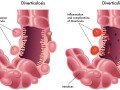
More than two-thirds of Americans over age 60 have diverticulosis, but it was nearly unknown a century ago, and remained extremely rare among populations eating whole food plant-based diets.
One week on a plant-based diet can significantly drop blood levels of homocysteine, a toxin associated with cognitive decline and Alzheimer’s disease. Without vitamin B12 supplementation, though, a long-term plant-based diet could make things worse.

PBDE fire-retardant chemicals in the food supply may contribute to attention and cognitive deficits in children.

Squatting and leaning can help straighten the anorectal angle, but a healthy enough diet should make bowel movements effortless regardless of positioning.

Most people have between 3 bowel movements a day and 3 a week, but normal doesn’t necessarily mean optimal.

