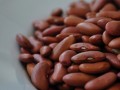
Phytates for the Prevention of Cancer
Phytic acid (phytate), concentrated in food such as beans, whole grains, and nuts, may help explain lower cancer rates among plant-based populations.
Phytic acid (phytate), concentrated in food such as beans, whole grains, and nuts, may help explain lower cancer rates among plant-based populations.

The artificial food coloring Red No. 3 has yet to be banned—despite its purported role in causing thousands of cases of thyroid cancer.

The safety of food additives is determined not by the FDA, but by the manufacturers of the chemicals themselves.

The famous surgeon Denis Burkitt suggests an explanation for why many of our most common and deadliest diseases were rare or even nonexistent in populations eating plant-based diets.

Eating meat or eggs before pregnancy may increase the risk of gestational diabetes.

To stay out of oxidative debt, we need to take in more antioxidants than we use up.

If the bulk of fast food chicken nuggets is not actually chicken meat, what’s in them?

Evidence from PET scans suggests brain activity changes from the overconsumption of sugar may parallel that of drug addiction. Diminished “pleasure center” dopamine pathway sensitivity in obese individuals may be analogous to that found in cocaine addicts and alcoholics.

The vast majority of chicken and poultry products are injected with phosphorus preservatives, which are often not listed in the ingredients. Reducing one’s intake of meat, junk food, fast food, and processed cheese may help lower intake until labeling is mandated.

There is a receptor in our intestines activated by phytonutrients in cruciferous vegetables that boosts immune function (the aryl hydrocarbon [Ah] receptor).

In response to definitive evidence showing artificial colors may increase inattentiveness, impulsivity, and hyperactivity among young children, a call has been made by consumer groups to ban food dyes.
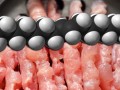
About half of America’s trans fat intake now comes from animal products.

People eating conventional diets may ingest a trillion microparticles of the food-whitening additive, titanium dioxide, every day. What implication might this have for inflammation in the gut?
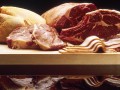
The cooked meat carcinogen PhIP—found in fried bacon, fish, and chicken—may not only trigger cancer and promote tumor growth, but also increase its metastatic potential, by increasing its invasiveness.

DNA-damaging chemicals, formed when meat is cooked, stimulate breast cancer cells almost as much as pure estrogen, and can infiltrate the ducts where most breast cancers arise.
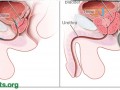
All men should consider eating a prostate-healthy diet, which includes legumes (beans, peas, lentils, soy); certain vegetables (like garlic and onions); certain seeds (flax seeds); and the avoidance of refined grains, eggs, and poultry.
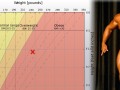
Waist-to-height ratio may be a better predictor of disease than body mass index.

A healthy diet may not only prevent the complications of diabetes, but also reduce the risk of age-related macular degeneration—another common cause of blindness.

Pilot study published on whether apple juice could affect the cognitive performance, day-to-day functioning, mood, or behavior of Alzheimer’s patients.
Different fruits and vegetables appear to support different cognitive domains of the brain, so both variety and quantity are important.
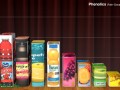
Which common fruit juices have the most (and least) phenolic phytonutrients, which may protect against Alzheimer’s disease: apple juice, cranberry cocktail, grape juice (white, red, and purple), grapefruit juice, orange juice, pineapple juice, or pomegranate juice?

Survey reveals the vast majority of Americans are not eating healthy, even by U.S. Dietary Guideline standards.

Why does the medical establishment sometimes ignore highly efficacious therapies, such as plant-based diets, for heart disease prevention and treatment?

Women eating vegetarian may have lower breast cancer rates because they have larger bowel movements.

Rate your diet on a scale of 0 to 100 using the phytochemical index, and compare your score to the Standard American Diet.

