
Boosting Brown Fat Through Diet
The fat-burning properties of brown adipose tissue can be boosted by cold exposure, certain flavor molecules, and arginine-rich foods.
The fat-burning properties of brown adipose tissue can be boosted by cold exposure, certain flavor molecules, and arginine-rich foods.
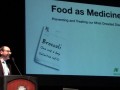
Dr. Greger has scoured the world’s scholarly literature on clinical nutrition and developed this new presentation based on the latest in cutting edge research exploring the role diet may play in preventing, arresting, and even reversing some of our most feared causes of death and disability.
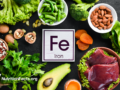
Heme iron, the type found predominantly in blood and muscle, is absorbed better than the non-heme iron that predominates in plants, but may increase the risk of cancer, stroke, heart disease, and metabolic syndrome.
High blood pressure, the #1 killer risk factor in the world, may be eliminated with a healthy enough diet.

Death row nutrition offers some insight into the standard American diet.

The neurotoxin BMAA is found in seafood and the brains of Alzheimer’s and ALS victims. Might dietary changes help prevent amyotrophic lateral sclerosis?

What are the four problematic nutritional aspects of even plant-based Mediterranean diets?

The Paleolithic period represents just the last two million years of human evolution. What did our bodies evolve to eat during the first 90% of our time on Earth?

Flax seed consumption may play a role in preventing and treating breast cancer by blocking the inflammatory effects of interleukin-1.

Reducing cholesterol levels may inhibit breast cancer development, but the long-term use of cholesterol-lowering statin drugs is associated with more than double the risk of both types of breast cancer: invasive ductal carcinoma and invasive lobular carcinoma.

Cholesterol appears to stimulate the growth of human breast cancer cells—which may explain why phytosterol-rich foods, such as pumpkin seeds, are associated with reduced breast cancer risk.

Do the anticancer effects of phytates in a petri dish translate out into clinical studies on cancer prevention and treatment?
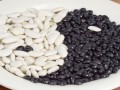
Unlike most other anticancer agents, the phytates naturally found in whole plant foods may trigger cancer cell differentiation, causing them to revert back to behaving more like normal cells.

Yellow plant pigments, such as lutein and zeaxanthin, build up in the back of our eyes to protect our retinas against age-related macular degeneration. Levels of these eyesight–saving nutrients in organic free-range eggs, vegetables, and goji berries are compared.

Kale and collard greens contain vision-protecting plant nutrients, such as zeaxanthin, that may significantly lower the risk of glaucoma—a leading cause of blindness.

Women who consume the most high-phytate foods (whole grains, beans, and nuts) appear to have better bone density.
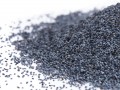
Soaking and cooking poppy seeds can lower their morphine and codeine levels—but those undergoing drug testing may want to avoid them altogether.

The melatonin content in certain plant foods such as almonds, raspberries, and goji berries may explain the improvement in sleep quality associated with tart cherry consumption.

Dr. Greger has scoured the world’s scholarly literature on clinical nutrition, and developed this brand-new live presentation on the latest in cutting-edge research on how a healthy diet can affect some of our most common medical conditions.

Based on studies of atomic bomb survivors, Chernobyl victims, and airline pilots exposed to more cosmic rays at high altitudes, it appears that fruits and vegetables may decrease radiation-induced chromosome damage.
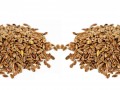
A tablespoon a day of ground flax seeds appears to improve ovarian function, and is considered a first-line therapy for breast pain associated with one’s period (cyclical mastalgia).

A randomized, double-blind, placebo-controlled, clinical trial of flax seeds in breast cancer patients finds flax appears to have the potential to reduce tumor growth—in just a matter of weeks.

Lignan intake is associated with improved breast cancer survival in three recent population studies following a total of thousands of women after diagnosis.

Young women at high risk for breast cancer given just a teaspoon of ground flax seeds a day showed fewer precancerous changes.

Instead of treating sensitive skin topically, with lotions and creams, why not treat it from the inside out—with diet?

A daily tablespoon of ground flax seeds for a month appears to improve fasting blood sugars, triglycerides, cholesterol, and hemoglobin A1c levels in diabetics.
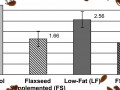
Researchers set out to find out what it was about a flax seed-supplemented, lower-fat diet that so effectively appeared to decrease prostate cancer growth.

What happens when men with prostate cancer and prostatic intraepithelial neoplasia (PIN) are placed on a relatively low-fat diet, supplemented with ground flax seeds?

Sellers of coconut oil use a beef industry tactic to downplay the risks associated with the saturated fat in their products.

Eating fiber-containing foods—especially nuts—during adolescence may significantly lower the risk of developing potentially precancerous fibrocystic breast disease (fibroadenomas).

All men should consider eating a prostate-healthy diet, which includes legumes (beans, peas, lentils, soy); certain vegetables (like garlic and onions); certain seeds (flax seeds); and the avoidance of refined grains, eggs, and poultry.
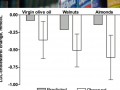
The short-term effect of replacing refined olive oil with extra virgin olive oil, walnuts, or almonds on cardiovascular risk factors.

Within a matter of weeks, participants placed on the vegan diet outlined by the prophet Daniel experienced improvements in blood pressure, cholesterol and insulin levels, insulin resistance, and C-reactive protein levels, a marker of inflammation within the body.
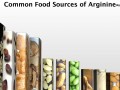
The arginine content of nuts may explain their metabolism-boosting effects—though, in a list of the top food sources of arginine, nuts don’t even make the top ten.

Whole food sources of phytosterols, such as seeds and nuts, are likely superior to supplements, or phytosterol-fortified spreads and beverages.

Those eating plant-based diets get the most phytosterols, but there’s still room for improvement to maximize cholesterol reduction.

Phytosterols are plant-based cholesterol look-alikes in nuts and seeds that help maximize our body’s excretion of excess cholesterol.

The secret to naturally boosting serotonin levels in the brain may include eating foods such as pumpkin seeds, with a high tryptophan-to-total protein ratio. This may help explain why studies show that those eating plant-based diets have superior mood states.
Despite promising autopsy and population data suggesting that inadequate magnesium intake is a risk factor for sudden cardiac death, it wasn’t until recently that this was demonstrated in prospective studies.
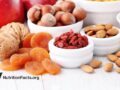
Most men and women who die of heart disease, our #1 killer, die suddenly without any known history of heart problems. Nut consumption, however, has been associated specifically with decreased risk of sudden cardiac death, which may be due to magnesium, a mineral found predominantly in whole grains, greens, beans, nuts, and seeds.

