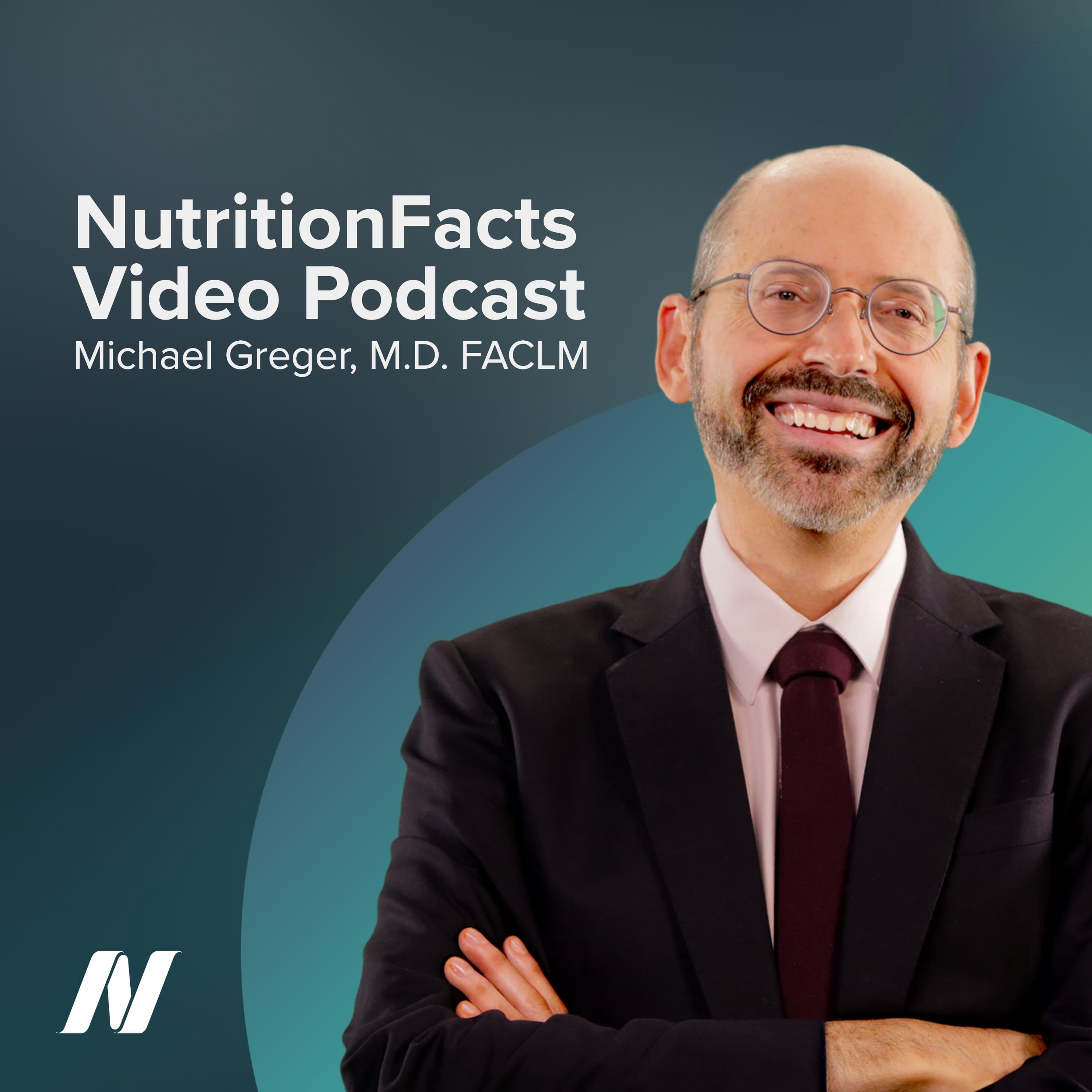
Doctors and other health professionals were put to the test for their nutrition knowledge regarding diet and heart disease.
Do Doctors Make the Grade?
Doctor's Note
For more on doctors’ nutritional education, check out these videos:
- Doctors Know Less Than They Think About Nutrition
- Medical School Nutrition Education
- Nutrition Education Mandate Introduced For Doctors
- Medical Associations Oppose Bill to Mandate Nutrition Training
- California Medical Association Tries to Kill Nutrition Bill
- Nutrition Bill Doctored in the California Senate
Anyone have any stories of doctors failing to understand basic nutrition? I’m almost afraid to ask. Be sure to check out my previous video: Doctors’ Nutritional Ignorance.
For some context, also check out my associated blog posts: Physician-assisted suicide? When doctors give nutrition advice; Nutrition Education in Medicine: a Doctor a Day Keeps the Apples Away; Health Food Store Advice: Often Worthless or Worst; Stool Size and Breast Cancer Risk; and Treating Breast Pain with Flax Seeds.
If you haven't yet, you can subscribe to our free newsletter. With your subscription, you'll also get notifications for just-released blogs and videos. Check out our information page about our translated resources.
 Previous Video
 Next Video