
Nutrient-Dense Approach to Weight Management
Americans eating meat-free diets average higher intakes of nearly every nutrient, while maintaining a lower body weight—perhaps due, in part, to their higher resting metabolic rates.
Americans eating meat-free diets average higher intakes of nearly every nutrient, while maintaining a lower body weight—perhaps due, in part, to their higher resting metabolic rates.

Too much choline—a compound concentrated in eggs and other animal products—can make bodily secretions smell like rotting fish, and may increase the risk of heart disease, due to conversion in the gut to trimethylamine.

Rooibos (red) tea may reduce stress levels by suppressing adrenal gland function. Nettle tea is mineral-rich, but may have estrogenic side effects.
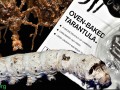
Of all animals, the bodies of insects may have the lowest saturated fat content.
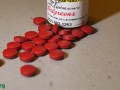
Iron is a double-edged sword. If we don’t absorb enough, we risk anemia; but if absorb too much, we may increase our risk of cancer, heart disease, and a number of inflammatory conditions. Because the human body has no mechanism to rid itself of excess iron, one should choose plant-based (non-heme) sources, over which our body has some control.

Death in America is largely a foodborne illness. Focusing on studies published just over the last year in peer-reviewed scientific medical journals, Dr. Greger offers practical advice on how best to feed ourselves and our families to prevent, treat, and even reverse many of the top 15 killers in the United States.

The whole grain phytonutrient phytic acid (phytate) partially inhibits mineral absorption, but has a wide range of health-promoting properties, such as anticancer activity. By concurrently eating mineral absorption enhancers, such as garlic and onions, one can get the best of both worlds by improving the bioavailability of iron and zinc in plant foods.

Since foods are effectively a package deal, what’s the best way to get vitamin B12 (cobalamin)?