
The Exogenous Endotoxin Theory
The endotoxemia (bacterial toxins in the bloodstream) that follows a meal of animal products and results in inflammation and stiffened arteries may come from the food itself, rather than from one’s own gut bacteria.
The endotoxemia (bacterial toxins in the bloodstream) that follows a meal of animal products and results in inflammation and stiffened arteries may come from the food itself, rather than from one’s own gut bacteria.
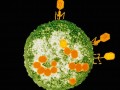
Bacteria-eating viruses (bacteriophages) have been approved as meat additives to reduce the risk of Listeria and Campylobacter found in processed meat and poultry products, but there’s a concern they could spread toxin genes between bacteria.
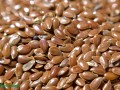
The trillions of good bacteria in our gut can be thought of as an additional organ—metabolizing, detoxifying, and activating many crucial components of our diet. The formation of lignans from phytonutrient precursors found predominantly in flax seeds is one such example.

There are a few examples of plant enzymes having physiologically relevant impacts on the human diet, and the formation of sulforaphane in broccoli is one of them.
Since foods are effectively a package deal, what’s the best way to get vitamin B12 (cobalamin)?
Even when fiber and fruit and vegetable intake are kept constant, choosing foods richer in antioxidants may increase stool size, which is associated with lower cancer risk.