
The Best Baby Formula
Exclusive breastfeeding for a full six months may, ironically, improve our children’s taste for vegetables—whereas children fed formula grow up with increased rates of inflammatory diseases such as asthma, cancer, and diabetes.
Exclusive breastfeeding for a full six months may, ironically, improve our children’s taste for vegetables—whereas children fed formula grow up with increased rates of inflammatory diseases such as asthma, cancer, and diabetes.

The water content of plant foods may help explain why those eating plant-based diets are, on average, so slim. Can ice be thought of as having even “fewer” calories than water, since the body has to warm it up?
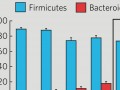
Certain phytonutrients may tip the balance of healthy gut bacteria in favor of flora associated with improved weight control.

Certain good bacteria in our gut can turn the fiber we eat into an anti-inflammatory, anti-cancer compound—called butyrate—that we absorb back into our system. We may be able to boost the number of butyrate-producing bacteria by eating a plant-based diet.

The good bacteria in our gut can digest the fiber we eat, and turn it into an anti-obesity compound—called propionate—that we absorb back into our system.

Death in America is largely a foodborne illness. Focusing on studies published just over the last year in peer-reviewed scientific medical journals, Dr. Greger offers practical advice on how best to feed ourselves and our families to prevent, treat, and even reverse many of the top 15 killers in the United States.

The endotoxemia (bacterial toxins in the bloodstream) that follows a meal of animal products and results in inflammation and stiffened arteries may come from the food itself, rather than from one’s own gut bacteria.
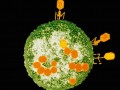
Bacteria-eating viruses (bacteriophages) have been approved as meat additives to reduce the risk of Listeria and Campylobacter found in processed meat and poultry products, but there’s a concern they could spread toxin genes between bacteria.
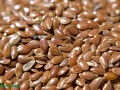
The trillions of good bacteria in our gut can be thought of as an additional organ—metabolizing, detoxifying, and activating many crucial components of our diet. The formation of lignans from phytonutrient precursors found predominantly in flax seeds is one such example.

There are a few examples of plant enzymes having physiologically relevant impacts on the human diet, and the formation of sulforaphane in broccoli is one of them.

Since foods are effectively a package deal, what’s the best way to get vitamin B12 (cobalamin)?

Even when fiber and fruit and vegetable intake are kept constant, choosing foods richer in antioxidants may increase stool size, which is associated with lower cancer risk.