
Why Prevention Is Worth a Ton of Cure
More people might be open to changing their diet and lifestyle if they knew how little modern medicine has to offer for combating chronic diseases.
More people might be open to changing their diet and lifestyle if they knew how little modern medicine has to offer for combating chronic diseases.

The medical profession oversells the benefits of drugs for chronic disease since so few patients would apparently take them if doctors divulged the truth.
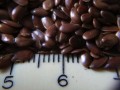
Extraordinary results reported in a rare example of a double-blinded, placebo-controlled, randomized trial of a dietary intervention (flaxseeds) to combat one of our leading killers, high blood pressure.

Preventing and treating chronic diseases such as heart disease, diabetes, and stroke with diet and lifestyle changes is not just safer but may be dramatically more effective

Sex steroid hormones in meat, eggs, and dairy may help explain the link between saturated fat intake and declining sperm counts.

A single serving of Brazil nuts may bring cholesterol levels down faster than statin drugs and keep them down even a month after that single ingestion.

According to the Director of the famous Framingham Heart Study, the best way to manage cholesterol and heart disease risk is with a more plant-based diet. Why then, don’t more doctors advise their patients to change their diets?
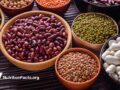
Legumes such as lentils, chickpeas, beans and split peas may reduce cholesterol so much that consumers may be able to get off their cholesterol-lowering statin drugs, but to profoundly alter heart disease risk we may have to more profoundly alter our diet.

Reducing cholesterol levels may inhibit breast cancer development, but the long-term use of cholesterol-lowering statin drugs is associated with more than double the risk of both types of breast cancer: invasive ductal carcinoma and invasive lobular carcinoma.
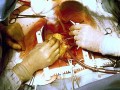
When doctors withhold dietary treatment options from cardiac patients, they are violating the cornerstone of medical ethics, informed consent.
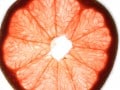
The role white and pink (red) grapefruit may play in weight loss and cholesterol control, as well as the suppression of drug-clearance enzymes within the body.
Though official recommendations are to first treat high cholesterol with dietary change, many physicians jump right to cholesterol-lowering medications, such as statins, that can have an array of adverse side effects.

Many of the most powerful drugs in modern medicine’s arsenal came from natural products, from penicillin to the chemotherapy agents Taxol® and vincristine.
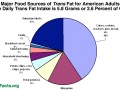
The intake of trans fats, which come mostly from junk food and animal products; saturated fat, mostly from dairy products and chicken; and cholesterol, coming mostly from eggs and chicken, should be as low as possible.

Cardiologists suggest that cholesterol-lowering statin drugs be given out free with fast food meals

To achieve the cholesterol level necessary to prevent heart attacks, most people must take cholesterol-lowering drugs—or eat a plant-based diet.

How to essentially eliminate the great scourge of the Western world.