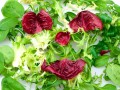
Fighting the Blues with Greens?
Natural monoamine oxidase enzyme inhibitors in fruits and vegetables may help explain the improvement in mood associated with switching to a plant-based diet.
Natural monoamine oxidase enzyme inhibitors in fruits and vegetables may help explain the improvement in mood associated with switching to a plant-based diet.
The ability of eleven common fruits to suppress cancer cell growth in vitro was compared. Which was most effective—apples, bananas, cranberries, grapefruits, grapes, lemons, oranges, peaches, pears, pineapples, or strawberries?
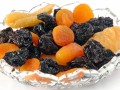
Despite the caloric density of both nuts and dried fruit, they do not appear to lead to the expected weight gain.

A comparison of the cholesterol-lowering potential of four dried fruits—apples, dates, figs, and plums.

Those eating more sour fruit may risk greater erosion of their tooth enamel (especially if teeth are brushed in a softened state), but there’s a simple solution.
Garlic and flavonoid phytonutrients found in fruits, vegetables, nuts, and grains appear to protect against DNA damage induced by mutagenic chemicals found in cooked meat.

Apple peels appear to upregulate the tumor suppressor gene maspin, and have strong antiproliferative effects on breast and prostate cancer cell growth in vitro.
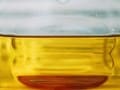
Why the spike in antioxidant levels in our bloodstream after drinking apple juice might not be a good thing.

Some foods appear protective against the development of skin wrinkles—while others may make them worse.
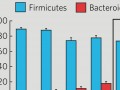
Certain phytonutrients may tip the balance of healthy gut bacteria in favor of flora associated with improved weight control.

Death in America is largely a foodborne illness. Focusing on studies published just over the last year in peer-reviewed scientific medical journals, Dr. Greger offers practical advice on how best to feed ourselves and our families to prevent, treat, and even reverse many of the top 15 killers in the United States.
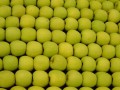
In addition to quantity and quality, the variety of fruits and vegetables consumed matters, as many phytonutrients are not evenly distributed among the various families and parts of plants.

Can you name a fruit whose processed juice is healthier than just eating the fruit itself?
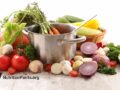
Fruit and vegetable consumption is associated with a lower risk of heart disease. But which is more protective—raw or cooked?

The four most antioxidant-packed natural substances so far tested are cloves, amla (Indian gooseberries), triphala (a combination of amla, bibhitaki, and haritaki fruits), and dragon’s blood.

Which common dried fruit is the most antioxidant-packed: apple rings, dried apricots, dried cherries, dried mango, prunes, or raisins?

Compared to popular fruits such as apples, bananas, and mangoes, which of the hundreds of different berries tested have the most and least antioxidant power: blackberries, blueberries, cranberries, crowberries, dog rose berries, grapes, raspberries, strawberries, or Tahitian noni juice?

500 foods were tested for advanced glycation end products (AGEs).

Which common fruit juices have the most (and least) phenolic phytonutrients, which may protect against Alzheimer’s disease: apple juice, cranberry cocktail, grape juice (white, red, and purple), grapefruit juice, orange juice, pineapple juice, or pomegranate juice?

There are thousands of flavonoid phytonutrients in fruits, vegetables, and other whole plant foods missing from the nutrition labels that may play a role in delaying the onset of Alzheimer’s disease.

