
Fibromyalgia vs. Mostly Raw & Mostly Vegetarian Diets
How plant-based does one’s diet need to be in order to effectively treat fibromyalgia?
How plant-based does one’s diet need to be in order to effectively treat fibromyalgia?

Plant-based diets may be effective for the treatment of fibromyalgia, a painful condition suffered by millions.

The consumption of three portions of whole grains a day appears as powerful as high blood pressure medications in alleviating hypertension.

The natural sweetener erythritol does not appear to carry the adverse effects associated with other non- and low-caloric natural and artificial sweeteners, and may actually have antioxidant potential.
Though official recommendations are to first treat high cholesterol with dietary change, many physicians jump right to cholesterol-lowering medications, such as statins, that can have an array of adverse side effects.

The secret to naturally boosting serotonin levels in the brain may include eating foods such as pumpkin seeds, with a high tryptophan-to-total protein ratio. This may help explain why studies show that those eating plant-based diets have superior mood states.

Contrary to popular belief, the consumption of animal foods may actually decrease tryptophan levels in the brain. Carbohydrates, on the other hand, can boost transport across the blood-brain barrier, which has been used to explain premenstrual cravings.

Tryptophan is the precursor to the “happiness hormone” serotonin, so why not take tryptophan supplements to improve mood and relieve symptoms of depression?

The consumption of certain fruits is suggested as a potential treatment for depression, given the presence of psychoactive neurotransmitters such as serotonin, dopamine, and melatonin in many plant foods.

Iron is a double-edged sword. If we don’t absorb enough, we risk anemia; but if absorb too much, we may increase our risk of cancer, heart disease, and a number of inflammatory conditions. Because the human body has no mechanism to rid itself of excess iron, one should choose plant-based (non-heme) sources, over which our body has some control.

Death in America is largely a foodborne illness. Focusing on studies published just over the last year in peer-reviewed scientific medical journals, Dr. Greger offers practical advice on how best to feed ourselves and our families to prevent, treat, and even reverse many of the top 15 killers in the United States.

Antioxidant, anti-inflammatory properties of white compared to yellow and purple potatoes. Purple potatoes may also help lower high blood pressure.

Delusional parasitosis is a form of psychosis characterized by the false belief that one is infested with some sort of parasite. It can be triggered by a variety of brain diseases, including parasites themselves.

In a survey of three national brands of tuna in the United States, most cans exceeded the U.S. Environmental Protection Agency’s safety level for human consumption.
Studies of the neurobehavioral toxicity of mercury on children suggest that no level of mercury exposure can be considered safe, but pressure from the fish industry may be preventing safety limits from dropping further.

There’s a rare toxin, called domoic acid, that can turn up in tuna and other seafood and cause anterograde amnesia, the loss of short-term memory popularized in the movie Memento.

Vegetarians appear to get more of a cognitive boost than meat-eaters from creatine supplementation.

Advanced glycation end products (AGEs) in our diet are thought to accelerate the aging process.

Pilot study published on whether apple juice could affect the cognitive performance, day-to-day functioning, mood, or behavior of Alzheimer’s patients.

Different fruits and vegetables appear to support different cognitive domains of the brain, so both variety and quantity are important.

There are thousands of flavonoid phytonutrients in fruits, vegetables, and other whole plant foods missing from the nutrition labels that may play a role in delaying the onset of Alzheimer’s disease.
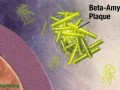
Ginger and apple juice appear to protect human nerve cells from the neurotoxic Alzheimer’s plaque protein amyloid beta in a petri dish.

The mercury contamination in tuna and other fish may adversely impact future earnings by impairing brain function, and leading to a loss of intelligence (IQ).

Arachidonic acid may play a role in cancer, asthma, inflammatory bowel disease, rheumatoid arthritis, and other autoimmune disorders.
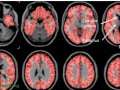
The purported role arachidonic acid plays in brain inflammation could explain why eliminating chicken, fish, and eggs may improve symptoms of mood disturbance, depression, anxiety, and stress within two weeks.
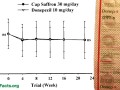
The spice saffron was compared to donepezil (Aricept), a leading drug treatment for slowing the progression of Alzheimer’s disease cognitive impairment.

In a double-blind study, the spice saffron beat out placebo in the treatment of Alzheimer’s disease dementia symptoms.
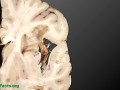
Avoiding pork tapeworm parasites (cysticercosis) is not as easy as just avoiding pork.

Neurocysticercosis, infection with pork tapeworm larvae brain parasites, is an increasingly serious public health problem in the United States, potentially causing headaches, dizziness, seizures, other neurological disorders, and sudden death.

How to essentially eliminate the great scourge of the Western world.

The risks associated with these supplements may outweigh the benefits.

