
Neurobiology of Artificial Sweeteners
The disconnect between sweetness sensations coming from our tongue, and the lack of a caloric feedback loop in the gut, may result in overeating.
The disconnect between sweetness sensations coming from our tongue, and the lack of a caloric feedback loop in the gut, may result in overeating.

People consuming low-calorie sweeteners may overcompensate by eating more than they otherwise would.

The natural sweetener erythritol does not appear to carry the adverse effects associated with other non- and low-caloric natural and artificial sweeteners, and may actually have antioxidant potential.

Aspartame may be the reason that diet soda consumption during pregnancy has been linked to premature birth.
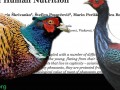
Since chronic inflammation underlines many disease processes, and saturated fat appears to facilitate the endotoxic inflammatory reaction to animal products, researchers have looked to wild animals for less unhealthy meat options.
A workplace dietary intervention study at GEICO corporate headquarters demonstrates the power of plant-based eating.
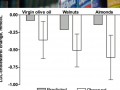
The short-term effect of replacing refined olive oil with extra virgin olive oil, walnuts, or almonds on cardiovascular risk factors.
A review of the best available science examining the impact of eating frequency on both weight and health.

Common slimming supplements are found to be ineffective, whereas a diet centered on whole plant foods is described as perhaps the safest approach to weight control.

Meat consumption is not only associated with weight gain, but specifically abdominal obesity, which is the most metabolically concerning.
In one of the largest nutrition studies ever, total meat consumption was significantly associated with weight gain in men and women—and the link remained even after controlling for calories.
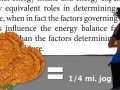
When asked whether food and beverage consumption, or physical activity, was more important, the majority of people get the answer wrong.

The water content of plant foods may help explain why those eating plant-based diets are, on average, so slim. Can ice be thought of as having even “fewer” calories than water, since the body has to warm it up?
Flavonoid phytonutrients (found concentrated in citrus, berries, red onions, beans, green tea, grapes, and cocoa) may boost metabolism enough to significantly slim one’s waistline.
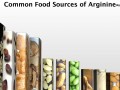
The arginine content of nuts may explain their metabolism-boosting effects—though, in a list of the top food sources of arginine, nuts don’t even make the top ten.
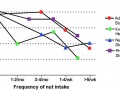
Finally, there’s a solution to the mystery of why nuts don’t seem to make people gain weight. It appears to be a combination of factors—including a boost to our metabolism, which results in us burning more of our own fat stores.
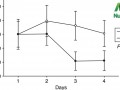
An elegant study is presented, testing the appetite-suppressing effects of walnuts.
If the fecal fat losses associated with undigested pieces of nuts (due to inadequate chewing), and the tedium of shelling them in the first place, help account for why nuts don’t tend to lead to weight gain, then studies on nut butters would presumably turn out differently.
A few theories have been proposed as to why nuts don’t appear to contribute to weight gain, including the “pistachio principle” and the fecal excretion theory.
Nut consumption does not appear to lead to the expected weight gain.

Death in America is largely a foodborne illness. Focusing on studies published just over the last year in peer-reviewed scientific medical journals, Dr. Greger offers practical advice on how best to feed ourselves and our families to prevent, treat, and even reverse many of the top 15 killers in the United States.

One mechanism by which caloric restriction may extend one’s lifespan is by upregulating dehydroepiandrosterone (DHEA), the most abundant steroid hormone in the human body. DHEA supplements are discouraged, but there may be a natural way to conserve levels as we age.

Survey reveals the vast majority of Americans are not eating healthy, even by U.S. Dietary Guideline standards.

