
Alkylphenol Endocrine Disruptors and Allergies
The dramatic rise of allergic diseases such as eczema and seasonal allergies may be related to dietary exposure to endocrine-disruptor xenoestrogens, such as alkylphenol industrial pollutants.
The dramatic rise of allergic diseases such as eczema and seasonal allergies may be related to dietary exposure to endocrine-disruptor xenoestrogens, such as alkylphenol industrial pollutants.

Does the hormonal stimulation of human prostate cancer cells by cow milk in a petri dish translate out clinically in studies of human populations?

The DNA of those cooking with spices such as ginger, rosemary, and turmeric appears less susceptible to breakage.
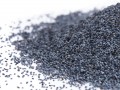
Soaking and cooking poppy seeds can lower their morphine and codeine levels—but those undergoing drug testing may want to avoid them altogether.

Choline may be the reason egg consumption is associated with prostate cancer progression and death.

Too much choline—a compound concentrated in eggs and other animal products—can make bodily secretions smell like rotting fish, and may increase the risk of heart disease, due to conversion in the gut to trimethylamine.

Plant-based diets tend to be alkaline-forming. This may help protect muscle mass, and reduce the risk of gout and kidney stones. The pH of one’s urine can be estimated with natural pigments, using kitchen chemistry.

A plant-based diet may not only be the safest treatment for multiple sclerosis; it may also be the most effective.

Methionine restriction—best achieved through a plant-based diet—may prove to have a major impact on patients with cancer because, unlike normal tissues, many human tumors require the amino acid methionine to grow.

Within a few weeks of eating healthier, our taste sensations change such that foods with lower salt, sugar, and fat content actually taste better.

Those eating a more plant-based diet may naturally have an enhanced antioxidant defense system to counter the DNA damage caused by free radicals produced by high-intensity exercise.

Daily citrus fruit consumption during athletic training may reduce muscle fatigue, as evidenced by lower blood lactate concentrations.

Carrageenan is a food additive used as a thickener and fat substitute in a variety of dairy and nondairy products. Concerns about potential intestinal tract damage are placed in the context of dietary consequences.

Dr. Greger has scoured the world’s scholarly literature on clinical nutrition, and developed this brand-new live presentation on the latest in cutting-edge research on how a healthy diet can affect some of our most common medical conditions.

Dioxins, endocrine disrupting pollutants, heavy metals, saturated fat, and steroids in the meat supply may be affecting sperm counts, semen quality, and the ability of men to conceive.

About half of America’s trans fat intake now comes from animal products.

The majority of radioactive fallout from the Fukushima nuclear power plant tragedy was absorbed by the Pacific Ocean. What does that mean for seafood safety?
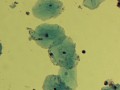
A more plant-based diet may help prevent vaginal infections, one of the most common gynecological problems of young women.

Proper timing of probiotic supplements may improve their survival.

About half of doctors admit to intentionally deceiving patients by prescribing placebos, but might the ends justify the means?
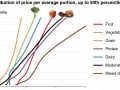
When measured on a cost-per-serving, cost-per-weight, or cost-per-nutrition basis, fruits and vegetables beat out meat and junk food.

Most children don’t drink water from when they wake up to when they go off to school. Interventional trials show this mild state of dehydration may negatively affect scholastic performance.
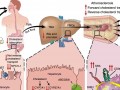
Expanding on the subject of my upcoming appearance on The Dr. Oz Show, a landmark new article in the New England Journal of Medicine shows that choline in eggs, poultry, dairy, and fish produces the same toxic TMAO as carnitine in red meat—which may help explain plant-based protection from heart disease and prostate cancer.

Plant-based diets appear to offer relief from a variety of menstrual symptoms, including cramping, bloating, and breast pain (cyclical mastalgia).

The story behind the first U.S. dietary recommendations report explains why, to this day, the decades of science supporting a more plant-based diet have yet to fully translate into public policy.

Plant-based diets in general, and certain plant foods in particular, may be used to successfully treat Parkinson’s disease—in part, by boosting L-DOPA levels.

Low levels of neurotoxic chemicals in cheese may explain the connection between dairy product consumption and Parkinson’s disease.

What a few days eating vegetarian can do to the levels of antibiotics and phthalates flowing through one’s body.

Where do DDT, hexachlorobenzene, PCBs, and perfluorochemicals (linked to thyroid disease) concentrate in the food supply?

Other than pet food and fish (which may be most contaminated), how do fire-retardant chemicals (PBDEs) and polychlorinated naphthalenes (PCNs) concentrate in the American food supply?

Animal protein consumption triggers the release of the cancer-promoting growth hormone IGF-1.

The secret to naturally boosting serotonin levels in the brain may include eating foods such as pumpkin seeds, with a high tryptophan-to-total protein ratio. This may help explain why studies show that those eating plant-based diets have superior mood states.

Contrary to popular belief, the consumption of animal foods may actually decrease tryptophan levels in the brain. Carbohydrates, on the other hand, can boost transport across the blood-brain barrier, which has been used to explain premenstrual cravings.

Death in America is largely a foodborne illness. Focusing on studies published just over the last year in peer-reviewed scientific medical journals, Dr. Greger offers practical advice on how best to feed ourselves and our families to prevent, treat, and even reverse many of the top 15 killers in the United States.

The whole grain phytonutrient phytic acid (phytate) partially inhibits mineral absorption, but has a wide range of health-promoting properties, such as anticancer activity. By concurrently eating mineral absorption enhancers, such as garlic and onions, one can get the best of both worlds by improving the bioavailability of iron and zinc in plant foods.
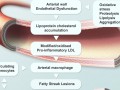
A single meal of meats, eggs, and dairy can cause a spike of inflammation within hours that can stiffen one’s arteries. Originally, this was thought to be the result of saturated animal fat causing our gut lining to leak bacterial toxins into our bloodstream, leading to endotoxemia.

By preventing the buildup of cholesterol in our bloodstream, we can prevent atherosclerosis in our coronary arteries—the leading cause of death in the United States for both men and women. This involves increasing our intake of fiber-containing plant foods, and decreasing our intake of trans fat, saturated fat, and cholesterol found in junk food and animal products.

Dairy is considered a major cause of the acne epidemic, and other more serious chronic diseases in the Western world, due to the “abuse” of the mammalian postnatal signaling system by widespread cow milk consumption.

Three Harvard studies linking acne with dairy consumption in adolescent girls and boys blamed the sex steroid hormone content naturally found in cow’s milk (even without added hormones)—particularly skim.

The Harvard Nurses’ Study found an association between high school dairy intake and severe physician-diagnosed acne.

