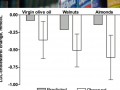
Extra Virgin Olive Oil vs. Nuts
The short-term effect of replacing refined olive oil with extra virgin olive oil, walnuts, or almonds on cardiovascular risk factors.
The short-term effect of replacing refined olive oil with extra virgin olive oil, walnuts, or almonds on cardiovascular risk factors.
A review of the best available science examining the impact of eating frequency on both weight and health.

Within a matter of weeks, participants placed on the vegan diet outlined by the prophet Daniel experienced improvements in blood pressure, cholesterol and insulin levels, insulin resistance, and C-reactive protein levels, a marker of inflammation within the body.

Meat consumption is not only associated with weight gain, but specifically abdominal obesity, which is the most metabolically concerning.

In one of the largest nutrition studies ever, total meat consumption was significantly associated with weight gain in men and women—and the link remained even after controlling for calories.
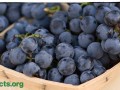
Flavonoid phytonutrients (found concentrated in citrus, berries, red onions, beans, green tea, grapes, and cocoa) may boost metabolism enough to significantly slim one’s waistline.
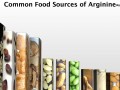
The arginine content of nuts may explain their metabolism-boosting effects—though, in a list of the top food sources of arginine, nuts don’t even make the top ten.
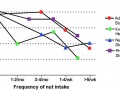
Finally, there’s a solution to the mystery of why nuts don’t seem to make people gain weight. It appears to be a combination of factors—including a boost to our metabolism, which results in us burning more of our own fat stores.
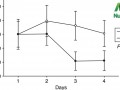
An elegant study is presented, testing the appetite-suppressing effects of walnuts.
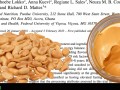
If the fecal fat losses associated with undigested pieces of nuts (due to inadequate chewing), and the tedium of shelling them in the first place, help account for why nuts don’t tend to lead to weight gain, then studies on nut butters would presumably turn out differently.
A few theories have been proposed as to why nuts don’t appear to contribute to weight gain, including the “pistachio principle” and the fecal excretion theory.
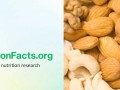
Nut consumption does not appear to lead to the expected weight gain.

Whole food sources of phytosterols, such as seeds and nuts, are likely superior to supplements, or phytosterol-fortified spreads and beverages.

Those eating plant-based diets get the most phytosterols, but there’s still room for improvement to maximize cholesterol reduction.

Phytosterols are plant-based cholesterol look-alikes in nuts and seeds that help maximize our body’s excretion of excess cholesterol.
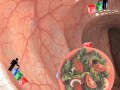
Fiber bulks, speeds, and dilutes the intestinal waste stream to facilitate the removal of excess cholesterol from the body.
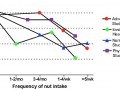
A pooled analysis of studies on nut consumption, cholesterol levels, and risk of death from heart disease show extraordinary benefits, suggesting we should eat nuts every day.

A dramatic difference exists between the anti-inflammatory and antioxidant effects of black walnuts versus English walnuts.
Despite promising autopsy and population data suggesting that inadequate magnesium intake is a risk factor for sudden cardiac death, it wasn’t until recently that this was demonstrated in prospective studies.
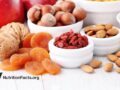
Most men and women who die of heart disease, our #1 killer, die suddenly without any known history of heart problems. Nut consumption, however, has been associated specifically with decreased risk of sudden cardiac death, which may be due to magnesium, a mineral found predominantly in whole grains, greens, beans, nuts, and seeds.

Death in America is largely a foodborne illness. Focusing on studies published just over the last year in peer-reviewed scientific medical journals, Dr. Greger offers practical advice on how best to feed ourselves and our families to prevent, treat, and even reverse many of the top 15 killers in the United States.

The whole grain phytonutrient phytic acid (phytate) partially inhibits mineral absorption, but has a wide range of health-promoting properties, such as anticancer activity. By concurrently eating mineral absorption enhancers, such as garlic and onions, one can get the best of both worlds by improving the bioavailability of iron and zinc in plant foods.
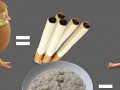
A competing risks analysis of the Harvard Nurses’ Health Study compares the danger of smoking cigarettes to the danger of animal product consumption (cholesterol), and the benefits of plant foods (fiber) to the benefits of exercise.

Measuring the effects of a plant-based diet on the expression of hundreds of different genes at a time, a research group found that an antioxidant-rich portfolio of plant foods such as berries, pomegranates, purple grapes, red cabbage, oregano, and walnuts was able to significantly modify the regulation of genes in the blood of volunteers.
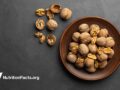
The equivalent of eating a single walnut half per day appeared to cut the risk of dying from inflammatory disease about in half, whereas fish did not appear to play a protective role. That may be why those eating vegetarian foods have lower levels of inflammation and chronic disease risk.

Plant-based diets may offer the best investment for dietary health.
Monday, March 12, 2012: The Harvard Health Professionals Follow-up Study and the Harvard Nurses’ Health Study concluded that red meat consumption was associated with living a significantly shorter life—increased cancer mortality, increased heart disease mortality, and increased overall mortality.
Harvard study found that men and women eating low carb diets live significantly shorter lives, but what about the “eco-Atkins diet,” a plant-based, low carbohydrate diet?
A case report in the Journal of the Academy of Nutrition and Dietetics (formerly Journal of the American Dietetic Association) of a man who went on the Atkins diet, lost his ability to have an erection—and nearly lost his life.
Some herbs and spices—including cinnamon, cloves, lemon balm, marjoram, oregano, and peppermint—are so rich in antioxidants that just a small pinch can go a long way.

What dietary behaviors may cut the odds of developing of an abdominal aortic aneurysm (AAA) in half?
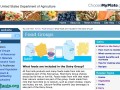
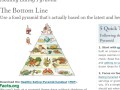
MyPlate represents a significant improvement over the USDA Food Guide Pyramid.
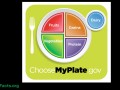
Following the recommendations of the 2010 Dietary Guidelines Advisory Committee to “shift food intake patterns to a more plant-based diet,” the latest USDA guidelines include a vegan adaptation.
Since foods are a package deal, Dr. Walter Willet, the Chair of Harvard’s nutrition department, recommends we emphasize plant sources of protein, rather than animal sources.
Unlike the United States, where the agriculture department is the lead agency on formulating dietary recommendations, other countries such as Greece rely on their health department. What do their dietary guidelines look like?
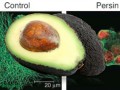
Persin, a natural toxin found in avocados, appears so effective at killing breast cancer cells that it is being considered as a chemotherapy agent.
New research suggests that multivitamin use may significantly increase the risk of breast cancer and prostate cancer.

Rate your diet on a scale of 0 to 100 using the phytochemical index, and compare your score to the Standard American Diet.

A landmark study pitted 34 common vegetables against 8 different lines of human cancer cells.

