
Prevention Is Better Than Cured Meat
The levels of nitrosamines—considered the most carcinogenic agents in cigarette smoke—were recently measured in an array of processed meats including chicken, turkey, and pork.
The levels of nitrosamines—considered the most carcinogenic agents in cigarette smoke—were recently measured in an array of processed meats including chicken, turkey, and pork.

The nitrite preservatives in processed meats such as bologna, bacon, ham, and hot dogs form carcinogenic nitrosamines, but also reduce the growth of botulism bacteria—forcing regulators to strike a balance between consumers risking cancer, or a deadly form of food poisoning.

Nitrites in processed meat form nitrosamines, a class of potent carcinogens found in cigarette smoke, which may explain why hot dog consumption has been associated with the two leading pediatric cancers, brain tumors and childhood leukemia.
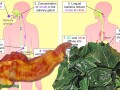
If the nitrates in vegetables such as greens are health-promoting because they can be turned into nitrites, and then nitric oxide, inside our bodies, what about the nitrites added to cured meats—such as bacon, ham, and hot dogs?
Since foods are effectively a package deal, what’s the best way to get vitamin B12 (cobalamin)?

The antioxidant power of American breakfast fare is compared to a smoothie that contains berries, white tea leaves, and Indian gooseberry (amla) powder.
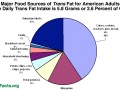
The intake of trans fats, which come mostly from junk food and animal products; saturated fat, mostly from dairy products and chicken; and cholesterol, coming mostly from eggs and chicken, should be as low as possible.

More than a thousand retail meat samples have been tested for methicillin-resistant Staphylococcus aureus (MRSA) contamination in North America.

Methicillin-resistant Staphylococcus aureus “superbug” found not only contaminating the U.S. retail meat supply, but isolated from air samples outside swine CAFOs.

An investigation finds 47% of U.S. retail meat tested is contaminated with staph (Staphylococcus) bacteria. Turkey appears most likely to harbor contagion.

The success story in Finland shows that science-based dietary guidelines can save millions of lives.

The top three sources of industrial toxins in the diet are fish oil, fish, and eggs.
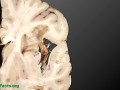
Avoiding pork tapeworm parasites (cysticercosis) is not as easy as just avoiding pork.
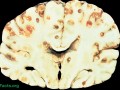
Neurocysticercosis, infection with pork tapeworm larvae brain parasites, is an increasingly serious public health problem in the United States, potentially causing headaches, dizziness, seizures, other neurological disorders, and sudden death.

