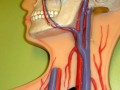
Vitamin B12 Necessary for Arterial Health
The cardiovascular benefits of plant-based diets may be severely undermined by vitamin B12 deficiency.
The cardiovascular benefits of plant-based diets may be severely undermined by vitamin B12 deficiency.
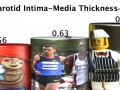
The carotid arteries of those eating plant-based diets appear healthier than even those just as slim (long-distance endurance athletes who’ve run an average of 50,000 miles).

Coronary heart disease, our #1 cause of death, was found to be almost non-existent in a population eating a diet centered around whole plant foods.

If doctors can eliminate some of our leading killers by treating the underlying causes of chronic disease better than nearly any other medical intervention, why don’t more doctors do it?

One reason why soy consumption is associated with improved survival and lower recurrence rates in breast cancer patients may be because soy phytonutrients appear to improve the expression of tumor-suppressing BRCA genes.

Americans eating meat-free diets average higher intakes of nearly every nutrient, while maintaining a lower body weight—perhaps due, in part, to their higher resting metabolic rates.

The beef industry designed a study to show that a diet containing beef was able to lower cholesterol—if one cuts out enough poultry, pork, fish, and cheese to halve one’s total saturated fat intake.

The role white and pink (red) grapefruit may play in weight loss and cholesterol control, as well as the suppression of drug-clearance enzymes within the body.

A plant-based diet may not only be the safest treatment for multiple sclerosis; it may also be the most effective.

By age 10, nearly all kids have fatty streaks in their arteries. This is the first sign of atherosclerosis, the leading cause of death in the United States. So the question for most of us is not whether we should eat healthy to prevent heart disease, but whether we want to reverse the heart disease we may already have.
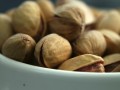
Men eating pistachio nuts experienced a significant improvement in blood flow through the penis accompanied by significantly firmer erections in just three weeks—perhaps due to pistachios’ antioxidant, arginine, and phytosterol content.

Dr. Greger has scoured the world’s scholarly literature on clinical nutrition, and developed this brand-new live presentation on the latest in cutting-edge research on how a healthy diet can affect some of our most common medical conditions.
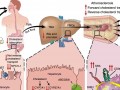
Expanding on the subject of my upcoming appearance on The Dr. Oz Show, a landmark new article in the New England Journal of Medicine shows that choline in eggs, poultry, dairy, and fish produces the same toxic TMAO as carnitine in red meat—which may help explain plant-based protection from heart disease and prostate cancer.

Two theories about the buildup of subcutaneous fat, involving the chemical spermine and the hormone adiponectin, suggest a plant-based diet may help with cellulite.

A comparison of the cholesterol-lowering potential of four dried fruits—apples, dates, figs, and plums.

Sellers of coconut oil use a beef industry tactic to downplay the risks associated with the saturated fat in their products.

Plant-based diets may help protect against oral cancer and periodontal (gum) disease, a leading cause of tooth loss.

Plant-based diets may be effective for the treatment of fibromyalgia, a painful condition suffered by millions.
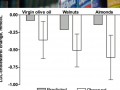
The short-term effect of replacing refined olive oil with extra virgin olive oil, walnuts, or almonds on cardiovascular risk factors.

Those eating plant-based diets get the most phytosterols, but there’s still room for improvement to maximize cholesterol reduction.
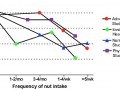
A pooled analysis of studies on nut consumption, cholesterol levels, and risk of death from heart disease show extraordinary benefits, suggesting we should eat nuts every day.

Death in America is largely a foodborne illness. Focusing on studies published just over the last year in peer-reviewed scientific medical journals, Dr. Greger offers practical advice on how best to feed ourselves and our families to prevent, treat, and even reverse many of the top 15 killers in the United States.
By preventing the buildup of cholesterol in our bloodstream, we can prevent atherosclerosis in our coronary arteries—the leading cause of death in the United States for both men and women. This involves increasing our intake of fiber-containing plant foods, and decreasing our intake of trans fat, saturated fat, and cholesterol found in junk food and animal products.
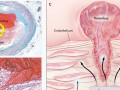
Atherosclerotic plaques in coronary arteries may be more aptly described as pimples, initiated by the infiltration of cholesterol into the lining of our arteries. The ending—should blood flow to our heart muscle be cut off by a clot formed by the rupture of one of these inflamed pockets of pus in our arterial lining—is a heart attack.

The effect of kale juice on LDL and HDL cholesterol, and the antioxidant capacity of the blood.
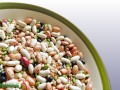
Are soybeans better than other types of beans for heart disease prevention—or does the soy industry just have more money and clout to tout?
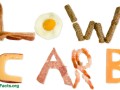
A case report in the Journal of the Academy of Nutrition and Dietetics (formerly Journal of the American Dietetic Association) of a man who went on the Atkins diet, lost his ability to have an erection—and nearly lost his life.
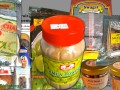
For a dollar a month, Indian gooseberry (amla) powder may work as well as a leading diabetes drug—without the side effects.

Many of the most powerful drugs in modern medicine’s arsenal came from natural products, from penicillin to the chemotherapy agents Taxol® and vincristine.

Indian gooseberries (amla), an important plant in Ayurvedic medicine, may have anticancer properties, as well as cough-, fever-, pain-, stress-, and diarrhea-suppressing effects.
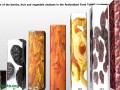
Which common dried fruit is the most antioxidant-packed: apple rings, dried apricots, dried cherries, dried mango, prunes, or raisins?
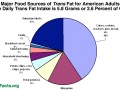
The intake of trans fats, which come mostly from junk food and animal products; saturated fat, mostly from dairy products and chicken; and cholesterol, coming mostly from eggs and chicken, should be as low as possible.

To achieve the cholesterol level necessary to prevent heart attacks, most people must take cholesterol-lowering drugs—or eat a plant-based diet.

The average “bad” cholesterol (LDL) level in people having heart attacks is in the “near-optimal” range, suggesting that the current guidelines are too lax.

Hawkers of “ionizer” water machines (like Kangen) claim healing alkaline water benefits; skeptics call it snake oil. They both may be wrong.
Eggs and brains are the two most concentrated sources of cholesterol in the diet.

Cardiology experts warn that eating even a single egg a day may exceed the safe upper limit for cholesterol intake.

How to essentially eliminate the great scourge of the Western world.