
How to Make Your Own Fruit & Vegetable Wash
Commercial fruit and vegetable washes fail to work better than tap water, but there is a cheap do-it-yourself solution that may completely eliminate certain pesticide residues.
Commercial fruit and vegetable washes fail to work better than tap water, but there is a cheap do-it-yourself solution that may completely eliminate certain pesticide residues.

The negative impact of red meat on our cholesterol profile may be similar to that of white meat.
Does just reducing one’s intake of meat, dairy, and eggs significantly reduce mortality?

Of all the components of a healthy Mediterranean diet, which are associated with a longer lifespan?

Employee wellness programs may help boost the corporate bottom line.

The reason those eating plant-based diets have less fat buildup in their muscle cells and less insulin resistance may be because saturated fats appear to impair blood sugar control the most.

The Paleolithic period represents just the last two million years of human evolution. What did our bodies evolve to eat during the first 90% of our time on Earth?

We’ve known for a half century that plant-based diets are associated with lower diabetes risk, but how low does one have to optimally go on animal product and junk food consumption?

The sex steroids found naturally in animal products likely exceed the hormonal impacts of endocrine-disrupting chemical pollutants.

Plant-based diets appear to protect against renal cell carcinoma both directly and indirectly.

The deleterious effects of a Paleolithic diet appear to undermine the positive effects of a Crossfit-based high-intensity circuit training exercise program.

Sex steroid hormones in meat, eggs, and dairy may help explain the link between saturated fat intake and declining sperm counts.

How do the blood-pressure lowering effects of hibiscus tea compare to the DASH diet, a plant-based diet, and a long-distance endurance exercise?
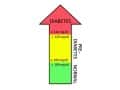
Lifestyle modification is considered the foundation of diabetes prevention. What dietary strategies should be employed, and why don’t more doctors use them?

How do American Egg Board arguments hold up to scientific scrutiny, such as the concept that large fluffy LDL cholesterol is protective compared to small, dense LDL?

Is the reversal of cellular aging Dr. Dean Ornish demonstrated with lifestyle changes due to the plant-based diet, the exercise or just to the associated weight loss?

Rural India has the lowest validated Alzheimer’s rates in the world. Is it due to the turmeric in their curry, or their largely plant-based diets?

Feed contaminated with toxic pollutants thought to originate from sewer sludge fed to chickens and fish results in human dioxin exposure through poultry, eggs, and catfish.

The cholesterol in eggs not only worsens the effects of saturated fat, but has a dramatic effect on the level of cholesterol and fat circulating in our bloodstream during the day.

Prediabetes is a disease in and of itself, associated with early damage to the eyes, kidneys, and heart. The explosion of diabetes in children is a result of our epidemic of childhood obesity. A plant-based diet may help, given that vegetarian kids grow up not only taller, but thinner.

For more than 30 years, the medical profession has debated the existence of an intolerance to the wheat protein, gluten, unrelated to allergy or celiac disease. What is the evidence pro and con?

Dr. Greger has scoured the world’s scholarly literature on clinical nutrition and developed this new presentation based on the latest in cutting-edge research exploring the role diet may play in preventing, arresting, and even reversing some of our leading causes of death and disability.

Over-activated TOR signaling may help explain the link between acne and subsequent risk for prostate and breast cancer.
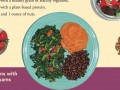
Kaiser Permanente, the largest U.S. managed care organization, publishes patient education materials to help make plant-based diets the “new normal” for patients and physicians.

What effect do corporate sponsorships from food companies have on the American Academy of Family Physicians and the Registered Dietitian organization (formally known as the American Dietetic Association)?

Dr. Rose’s sick-population concept may explain why many nutrition studies underestimate the role of diet in disease.

Though the most concentrated sources of the toxic metal cadmium are cigarette smoke, seafood, and organ meats, does greater consumption from whole grains and vegetables present a concern?

Nutritional quality indices show plant-based diets are the healthiest, but do vegetarians and vegans reach the recommended daily intake of protein?

Even studies funded by the American Egg Board show our arteries benefit from not eating eggs.

The latest meta-analysis of studies on egg consumption and heart disease risk found that even less than a single egg a day is associated with increased risk of both cardiovascular disease and diabetes.
Increasing fruit and vegetable consumption to seven servings a day appears to cut asthma exacerbation rates in half, whereas restricting consumption to Standard American Diet levels leads to a significant worsening of lung function and asthma control.

A study involving more than a million kids suggests the striking worldwide variation in childhood rates of allergies, asthma, and eczema is related to diet.

What if billions in tax dollars were invested in healthier options, rather than given to corporations to subsidize the very foods that are making us sick?

The lifespan extension associated with dietary restriction may be due less to a reduction in calories, and more to a reduction in animal protein (particularly the amino acid leucine, which may accelerate aging via the enzyme TOR).

Freedom of Information Act documents reveal that the U.S. Department of Agriculture warned the egg industry that saying eggs are nutritious or safe may violate rules against false and misleading advertising.

Does the hormonal stimulation of human prostate cancer cells by cow milk in a petri dish translate out clinically in studies of human populations?

Eating meat or eggs before pregnancy may increase the risk of gestational diabetes.

Yellow plant pigments, such as lutein and zeaxanthin, build up in the back of our eyes to protect our retinas against age-related macular degeneration. Levels of these eyesight–saving nutrients in organic free-range eggs, vegetables, and goji berries are compared.
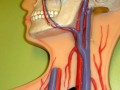
The cardiovascular benefits of plant-based diets may be severely undermined by vitamin B12 deficiency.
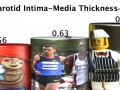
The carotid arteries of those eating plant-based diets appear healthier than even those just as slim (long-distance endurance athletes who’ve run an average of 50,000 miles).

