
Can Flaxseeds Help Prevent Breast Cancer?
Flax seed consumption may play a role in preventing and treating breast cancer by blocking the inflammatory effects of interleukin-1.
Flax seed consumption may play a role in preventing and treating breast cancer by blocking the inflammatory effects of interleukin-1.

How can we protect our tooth enamel from the erosive natural acids found in sour foods and beverages?

How do the blood-pressure lowering effects of hibiscus tea compare to the DASH diet, a plant-based diet, and a long-distance endurance exercise?
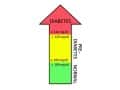
Lifestyle modification is considered the foundation of diabetes prevention. What dietary strategies should be employed, and why don’t more doctors use them?

Is the reversal of cellular aging Dr. Dean Ornish demonstrated with lifestyle changes due to the plant-based diet, the exercise or just to the associated weight loss?

Dr. Dean Ornish showed that his plant-based diet, exercise, and stress management intervention could in effect reverse the aging of our DNA. What effect might the stress management component have had?

Consumption of even small amounts of garlic or raisins are associated with significantly lower risk of pregnant women going into premature labor or having their water break too soon.

Feed contaminated with toxic pollutants thought to originate from sewer sludge fed to chickens and fish results in human dioxin exposure through poultry, eggs, and catfish.

According to the Director of the famous Framingham Heart Study, the best way to manage cholesterol and heart disease risk is with a more plant-based diet. Why then, don’t more doctors advise their patients to change their diets?

Prediabetes is a disease in and of itself, associated with early damage to the eyes, kidneys, and heart. The explosion of diabetes in children is a result of our epidemic of childhood obesity. A plant-based diet may help, given that vegetarian kids grow up not only taller, but thinner.

After a formal evaluation to rule out celiac disease, those who suspect they might have gluten sensitivity should first try improving their diet and then have other causes excluded before going on a gluten-free diet, since as many as 1 in 3 people who avoid gluten for symptom control end up having a different disease altogether.

There’s a cheap concoction one can make at home that safely wipes out cavity-forming bacteria on our teeth better than chlorhexidine mouthwash and also reduces their plaque-forming ability.

Which foods are best at removing carcinogenic bile acids from the body: asparagus, beets, broccoli, cabbage, carrots, cauliflower, collards, eggplant, green beans, kale, mustard greens, okra, or peppers? And do they work better raw or cooked?

The reason why women who have more frequent bowel movements appear to be at lower risk for breast cancer may be because bile acids absorbed from our intestines concentrate in the breast and have a estrogen-like tumor promoting effect.

Dr. Greger has scoured the world’s scholarly literature on clinical nutrition and developed this new presentation based on the latest in cutting-edge research exploring the role diet may play in preventing, arresting, and even reversing some of our leading causes of death and disability.

Evidence-based medicine may ironically bias medical professionals against the power of dietary intervention.

Over-activated TOR signaling may help explain the link between acne and subsequent risk for prostate and breast cancer.
Suppressing the engine-of-aging enzyme TOR (Target of Rapamycin) by reducing intake of leucine–rich animal products, such as milk, may reduce cancer risk.
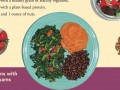
Kaiser Permanente, the largest U.S. managed care organization, publishes patient education materials to help make plant-based diets the “new normal” for patients and physicians.

Grain consumption appears strongly protective against Alzheimer’s disease, whereas animal fat intake has been linked to dementia risk.

Though the most concentrated sources of the toxic metal cadmium are cigarette smoke, seafood, and organ meats, does greater consumption from whole grains and vegetables present a concern?

Nutritional quality indices show plant-based diets are the healthiest, but do vegetarians and vegans reach the recommended daily intake of protein?

Four simple health behaviors may cut our risk of chronic disease by nearly 80%, potentially dropping our risk of dying equivalent to that of being 14 years younger.

Reducing cholesterol levels may inhibit breast cancer development, but the long-term use of cholesterol-lowering statin drugs is associated with more than double the risk of both types of breast cancer: invasive ductal carcinoma and invasive lobular carcinoma.
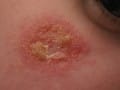
Pilot studies on treating allergic eczema and severe asthma with dietary interventions have shown remarkable results.
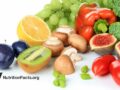
Increasing fruit and vegetable consumption to seven servings a day appears to cut asthma exacerbation rates in half, whereas restricting consumption to Standard American Diet levels leads to a significant worsening of lung function and asthma control.

A study involving more than a million kids suggests the striking worldwide variation in childhood rates of allergies, asthma, and eczema is related to diet.

The levels of arsenic, banned pesticides, and dioxins exceeded cancer benchmarks in each of the 364 children tested. Which foods were the primary sources of toxic pollutants for preschoolers and their parents?

The lifespan extension associated with dietary restriction may be due less to a reduction in calories, and more to a reduction in animal protein (particularly the amino acid leucine, which may accelerate aging via the enzyme TOR).

When doctors withhold dietary treatment options from cardiac patients, they are violating the cornerstone of medical ethics, informed consent.
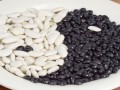
Unlike most other anticancer agents, the phytates naturally found in whole plant foods may trigger cancer cell differentiation, causing them to revert back to behaving more like normal cells.
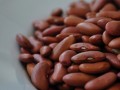
Phytic acid (phytate), concentrated in food such as beans, whole grains, and nuts, may help explain lower cancer rates among plant-based populations.

Blood flow within the hearts of those eating low-carb diets was compared to those eating plant-based diets.
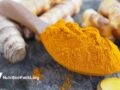
Dramatically lower cancer rates in India may in part be attributable to their more plant-based, spice-rich diet.

The consumption of blueberries and strawberries is associated with delayed cognitive aging by as much as 2.5 years—thought to be because of brain-localizing anthocyanin phytonutrients, as shown on functional MRI scans.
The oxidation of high-fat and cholesterol-rich foods in our stomachs may help explain why eating antioxidant packed foods appears to reduce heart attack and stroke risk.

The smell of sweet orange essential oil may have anxiety-reducing properties without the potentially addictive, sedating, and adverse effects of Valium-type benzodiazepine drugs.

The famous surgeon Denis Burkitt suggests an explanation for why many of our most common and deadliest diseases were rare or even nonexistent in populations eating plant-based diets.

Eating meat or eggs before pregnancy may increase the risk of gestational diabetes.
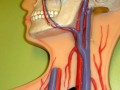
The cardiovascular benefits of plant-based diets may be severely undermined by vitamin B12 deficiency.

