
The Five-to-One Fiber Rule
A guideline is suggested for how to read food labels for grain products such as bread and breakfast cereals.
A guideline is suggested for how to read food labels for grain products such as bread and breakfast cereals.

Causes of dry eye disease include LASIK laser eye surgery, but there are dietary approaches to prevention and treatment.

Eating a diet low enough in sodium (salt) can prevent the rise in hypertension risk as we age.

The reversal of blindness due to hypertension and diabetes with Dr. Kempner’s rice and fruit diet demonstrates the power of diet to exceed the benefits of the best modern medicine and surgery have to offer.
Decreasing animal protein and sodium intake appears more effective in treating calcium oxalate and uric acid kidney stones (nephrolithiasis) than restricting calcium or oxalates.

What is the contemporary relevance of Dr. Kempner’s rice and fruit protocol for the reversal of chronic disease?
Is whole grain consumption just a marker for healthier behaviors, or do whole grains have direct health benefits?
Protein consumption can exacerbate the insulin spike from high glycemic foods.

Dr. Walter Kempner was a pioneer in the use of diet to treat life-threatening chronic disease, utilizing a diet of mostly rice and fruit to cure malignant hypertension and reverse heart and kidney failure.

Dr. Greger has scoured the world’s scholarly literature on clinical nutrition and developed this new presentation based on the latest in cutting-edge research exploring the role diet may play in preventing, arresting, and even reversing some of our leading causes of death and disability.
There’s a reason that professional diabetes associations recommend bean, chickpea, split pea, and lentil consumption as a means of optimizing diabetes control.
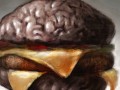
Grain consumption appears strongly protective against Alzheimer’s disease, whereas animal fat intake has been linked to dementia risk.
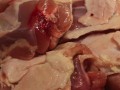
Arsenic-containing drugs intentionally added to poultry feed to reduce the parasite burden and pinken the meat are apparently converted by cooking into carcinogenic inorganic arsenic compounds.
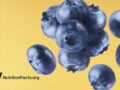
Blueberries may help protect against age-related macular degeneration, and black currants may help halt the progression of glaucoma.
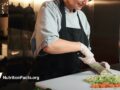
Changing food perceptions and incorporating puréed vegetables into entrees can improve the dietary quality of kids and grown-ups.
Cancer cells are commonly present in the body, but cannot grow into tumors without hooking up a blood supply. Angiogenesis inhibitors in plant foods may help prevent this from happening.
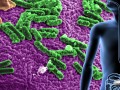
The so-called “lentil effect” or “second meal effect” describes the remarkable effect of beans to help control blood sugar levels hours, or even the next day, after consumption.
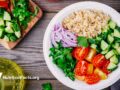
Plant-based diets in general, and certain plant foods in particular, may be used to successfully treat Parkinson’s disease—in part, by boosting L-DOPA levels.

The consumption of three portions of whole grains a day appears as powerful as high blood pressure medications in alleviating hypertension.

The whole grain phytonutrient phytic acid (phytate) partially inhibits mineral absorption, but has a wide range of health-promoting properties, such as anticancer activity. By concurrently eating mineral absorption enhancers, such as garlic and onions, one can get the best of both worlds by improving the bioavailability of iron and zinc in plant foods.
Many of the most powerful drugs in modern medicine’s arsenal came from natural products, from penicillin to the chemotherapy agents Taxol® and vincristine.
Why does the medical establishment sometimes ignore highly efficacious therapies, such as plant-based diets, for heart disease prevention and treatment?

Rate your diet on a scale of 0 to 100 using the phytochemical index, and compare your score to the Standard American Diet.

