
Meat Fumes: Dietary Secondhand Smoke
The polycyclic aromatic hydrocarbons in the vapors released from cooking meat may be hazardous for fetal development, and increase the risk of cancer.
The polycyclic aromatic hydrocarbons in the vapors released from cooking meat may be hazardous for fetal development, and increase the risk of cancer.

Even vegetarians could potentially be exposed to the carcinogens typically formed by cooking meat through eggs, cheese, creatine sports supplements, and cigarette smoke.

Those who eat meat risk food poisoning from undercooked meat, but also exposure to cooked meat carcinogens in well-cooked meat. By boiling meat, non-vegetarians can mediate their risk of both.

The cooked meat carcinogen PhIP—found in fried bacon, fish, and chicken—may not only trigger cancer and promote tumor growth, but also increase its metastatic potential, by increasing its invasiveness.

DNA-damaging chemicals, formed when meat is cooked, stimulate breast cancer cells almost as much as pure estrogen, and can infiltrate the ducts where most breast cancers arise.

How plant-based does one’s diet need to be in order to effectively treat fibromyalgia?

Plant-based diets may be effective for the treatment of fibromyalgia, a painful condition suffered by millions.

Which was associated with lowest breast cancer risk in African-American women? Apples, bananas, broccoli, cabbage, cantaloupe, carrots, collard greens, grapefruit, oranges, spinach, tomatoes, or sweet potatoes?
Plant-based diets appear to protect against metabolic syndrome, also known as syndrome X, which is characterized by the so-called “deadly quartet”—abdominal obesity, high fasting sugars, high triglycerides, and high blood pressure.

Plant-based diets appear to decrease inflammation via a variety of mechanisms—including boosting our adrenal gland function, due to the consumption of potassium rich foods.
The foreign meat molecule Neu5Gc builds up in human tumors and atherosclerotic plaques, and may play an inflammatory role in the progression of both diseases.
Cancer may use a molecule found in animal products to trick our immune system into feeding it with inflammation.

Plant-based diets may help rheumatoid arthritis by decreasing exposure to an inflammatory compound found in animal products.

Plant-based diets may be protective against multiple sclerosis because IGF-1 can prevent our immune system from eliminating autoimmune cells.
Why is the intake of animal protein associated with heart disease—even independent of saturated fat—and the intake of plant protein protective?

What a few days eating vegetarian can do to the levels of antibiotics and phthalates flowing through one’s body.
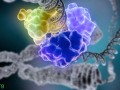
Chlorophyll, the most ubiquitous plant pigment in the world, may protect our DNA against mutation by intercepting carcinogens.

An evolutionary argument for a plant-based diet is presented, in contrast to “Paleo” fad diets.

Lower levels of the cancer-promoting growth hormone IGF-1 in those eating vegan is not expected to affect their accumulation of muscle mass.

Vegans consuming 7 to 18 servings of soy foods a day may end up with circulating IGF-1 levels comparable to those who eat meat.
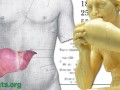
While animal proteins increase levels of the cancer-promoting growth hormone IGF-1, and most plant proteins bring levels down, “high quality” plant proteins, such as soy, may not significantly affect levels in either direction. This, however, may depend on the quantity consumed.

Animal protein consumption triggers the release of the cancer-promoting growth hormone IGF-1.
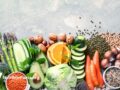
Those eating vegan had significantly lower IGF-1 levels and higher IGF-binding proteins than those just eating vegetarian, suggesting that the more plant-based one’s diet becomes, the lower one’s risk of fueling growth hormone-dependent cancer growth.
Eating a plant-based diet may protect against BPH (benign prostatic hypertrophy, an enlarged prostate).
Whose blood is better at killing cancer cells? People who eat a standard diet and exercise strenuously, or those who eat a plant-based diet and just exercise moderately?
Two weeks on a plant-based diet appears to significantly enhance cancer defenses against breast cancer and colon cancer cells. The blood of those eating a vegan diet for a year suppresses cancer cell growth nearly eight times better.

Lifestyle medicine pioneer Nathan Pritikin, who reversed his own heart disease through diet and went on to help millions of others, wasn’t a doctor or dietician, but an engineer.
A workplace dietary intervention study at GEICO corporate headquarters demonstrates the power of plant-based eating.

Common slimming supplements are found to be ineffective, whereas a diet centered on whole plant foods is described as perhaps the safest approach to weight control.

Within a matter of weeks, participants placed on the vegan diet outlined by the prophet Daniel experienced improvements in blood pressure, cholesterol and insulin levels, insulin resistance, and C-reactive protein levels, a marker of inflammation within the body.

Researchers set out to replicate the “Daniel Fast”—the biblical nutrition trial outlined in Daniel 1:8-16.

In one of the largest nutrition studies ever, total meat consumption was significantly associated with weight gain in men and women—and the link remained even after controlling for calories.

The water content of plant foods may help explain why those eating plant-based diets are, on average, so slim. Can ice be thought of as having even “fewer” calories than water, since the body has to warm it up?
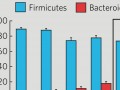
Certain phytonutrients may tip the balance of healthy gut bacteria in favor of flora associated with improved weight control.
Certain good bacteria in our gut can turn the fiber we eat into an anti-inflammatory, anti-cancer compound—called butyrate—that we absorb back into our system. We may be able to boost the number of butyrate-producing bacteria by eating a plant-based diet.

The good bacteria in our gut can digest the fiber we eat, and turn it into an anti-obesity compound—called propionate—that we absorb back into our system.
The secret to naturally boosting serotonin levels in the brain may include eating foods such as pumpkin seeds, with a high tryptophan-to-total protein ratio. This may help explain why studies show that those eating plant-based diets have superior mood states.
Despite promising autopsy and population data suggesting that inadequate magnesium intake is a risk factor for sudden cardiac death, it wasn’t until recently that this was demonstrated in prospective studies.

Death in America is largely a foodborne illness. Focusing on studies published just over the last year in peer-reviewed scientific medical journals, Dr. Greger offers practical advice on how best to feed ourselves and our families to prevent, treat, and even reverse many of the top 15 killers in the United States.

One mechanism by which caloric restriction may extend one’s lifespan is by upregulating dehydroepiandrosterone (DHEA), the most abundant steroid hormone in the human body. DHEA supplements are discouraged, but there may be a natural way to conserve levels as we age.