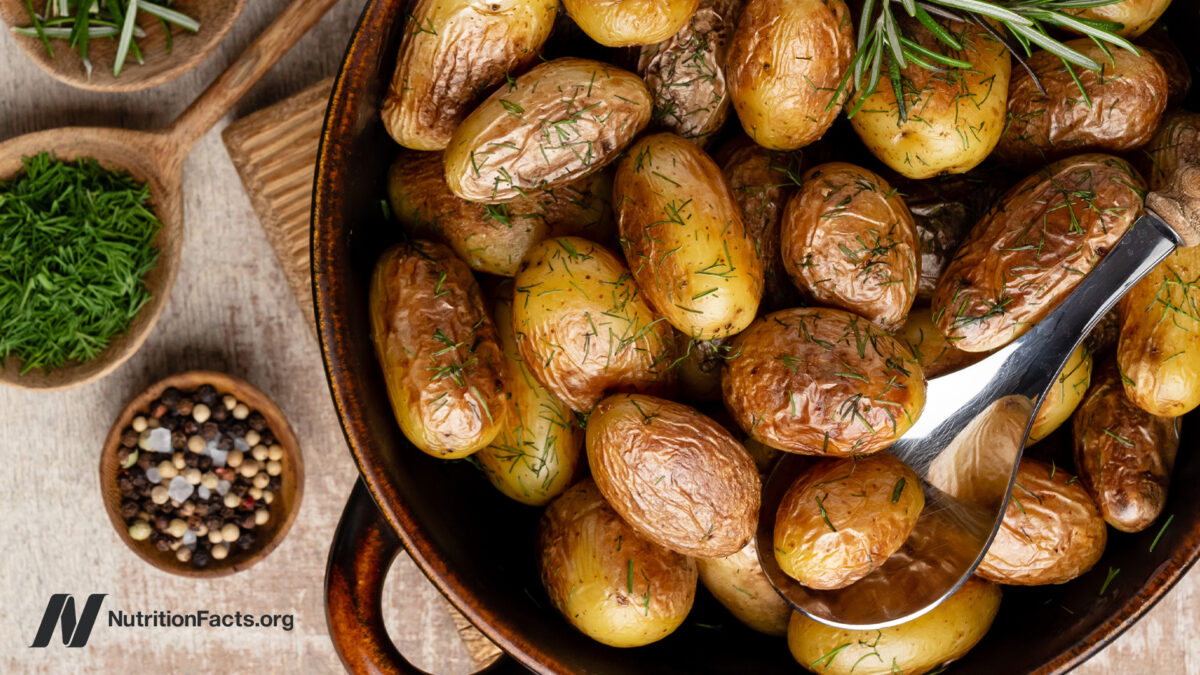
Broccoli, vinegar, and lemon juice are put to the test to blunt the glycemic index of white potatoes.
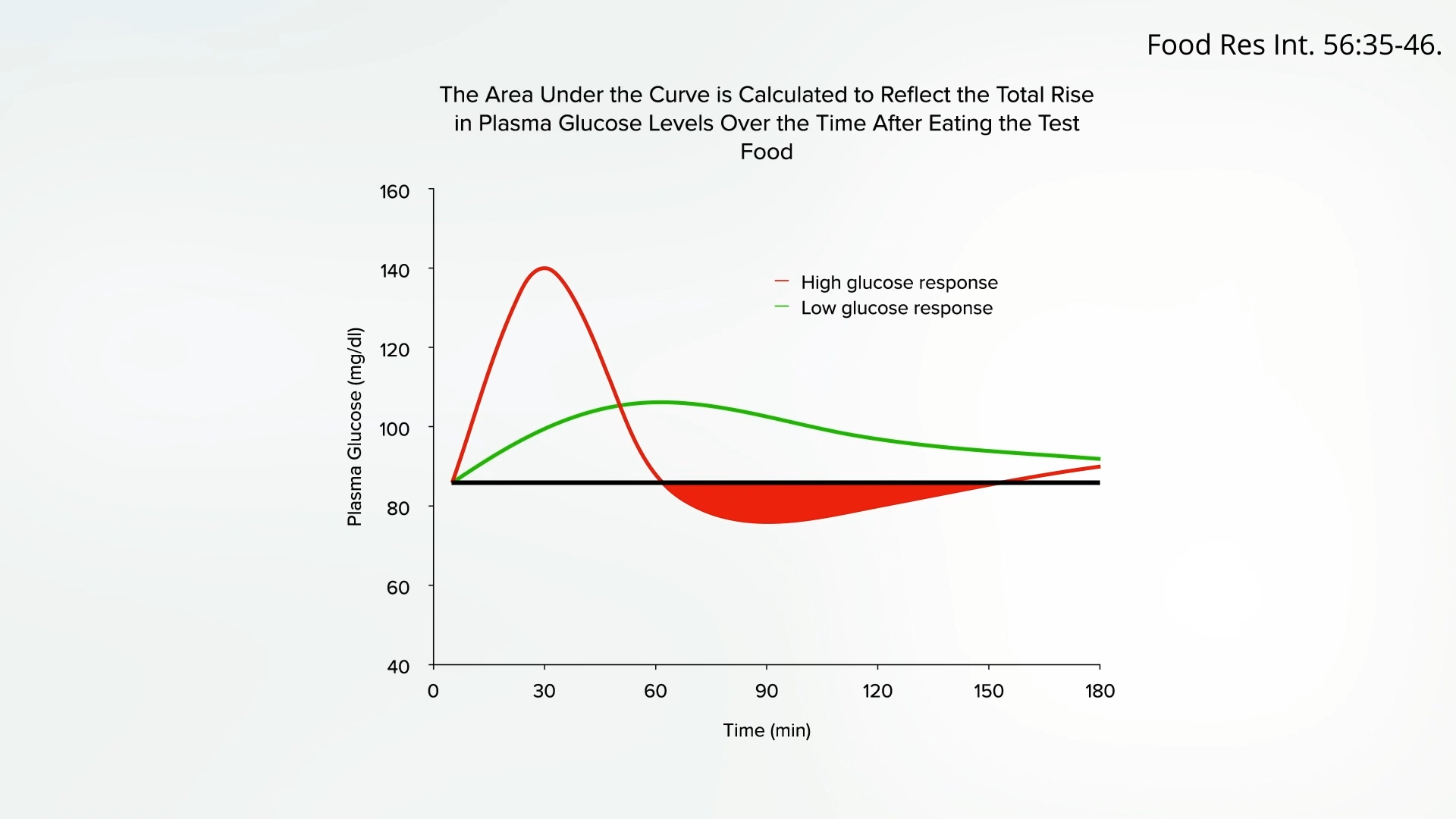
White potatoes have a high glycemic index, and consumption of high glycemic impact foods may increase the risk of diabetes. Normally, after a meal, we’d like our blood sugars to rise and fall gently and naturally. But with high glycemic foods like potatoes, we get an exaggerated blood sugar spike. This leads our body to over-compensate with insulin, forcing our blood sugars lower than when we started, which results in negative metabolic consequences, such as a rise in triglyceride fats in the blood, as you can see below and at 0:34 in my video How to Reduce the Glycemic Impact of Potatoes.
However, potatoes are a good source of vitamin C, potassium, and polyphenols, which may counterbalance their glycemic impact. This may explain why potatoes appear to have a neutral effect when it comes to lifespan, unlike other whole plant foods that have been associated with actively living longer.
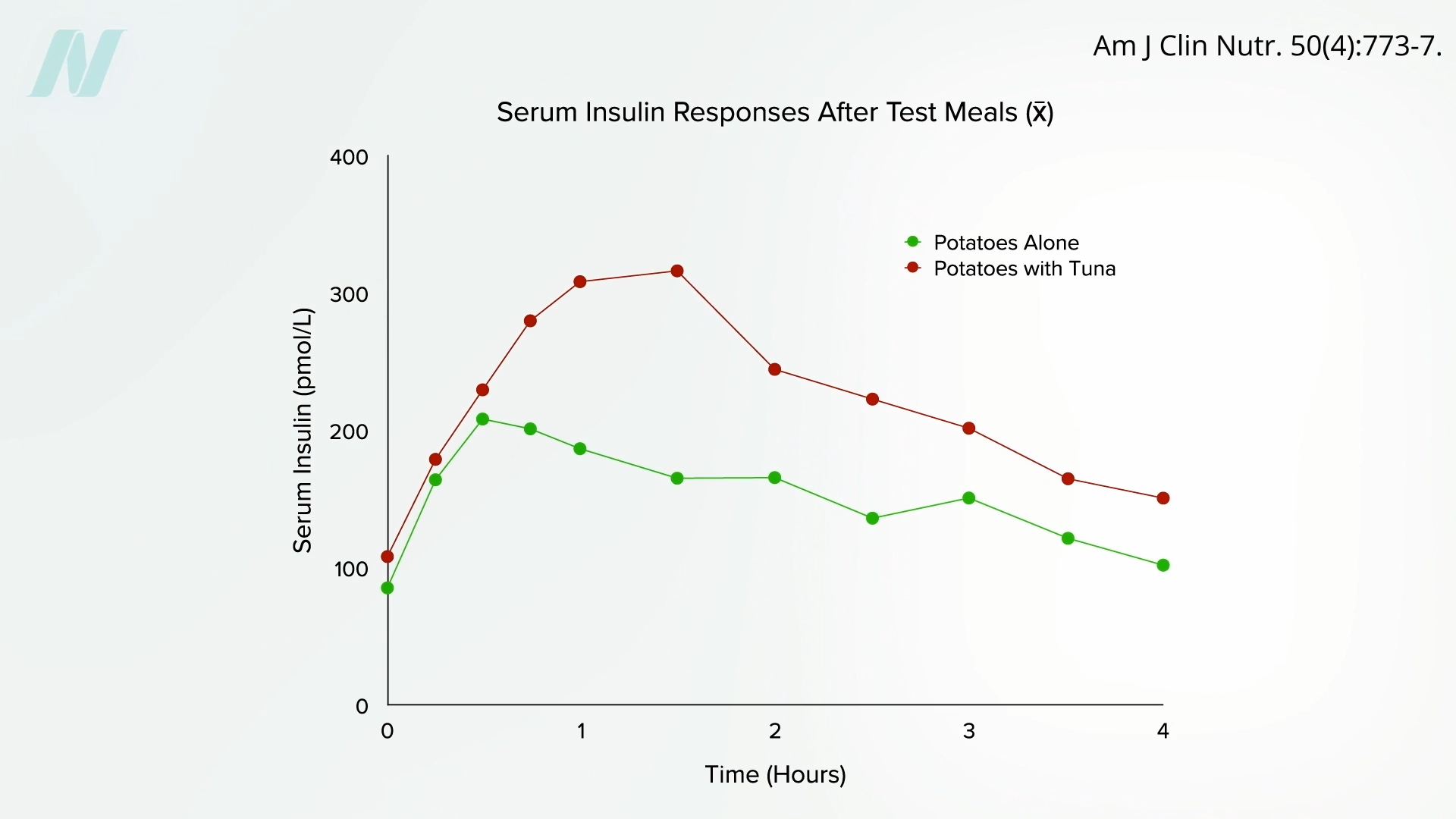
In my last blog, I explained how the act of chilling cooked potatoes can dramatically lower their glycemic index, even if you then reheat them in a microwave. How else might we reduce the glycemic impact of white potatoes? The same way you make anything better in your nutritional life—add broccoli. Eating two servings of cooked broccoli with your mashed potatoes would certainly do it, immediately cutting the insulin demand by nearly 40%. In contrast, adding chicken breast makes things worse, and adding tuna fish makes things even worse still, nearly doubling the amount of insulin your body has to pump out, as shown below and at 1:31 in my video.
Why does plant protein make things better, but animal protein makes things worse? Because decreased consumption of branched-chain amino acids improves metabolic health. I cover this in my book How Not to Diet, as well as in my video on the topic.
Speaking of How Not to Diet, remember the section on vinegar? The graph below illustrates the blood sugar and insulin spikes that someone with prediabetes may experience after eating a bagel. When that same bagel is consumed alongside a tablespoon or so of apple cider vinegar diluted in about a quarter cup of water, though, the spikes are significantly reduced, as you can see below and at 2:10 in my video.
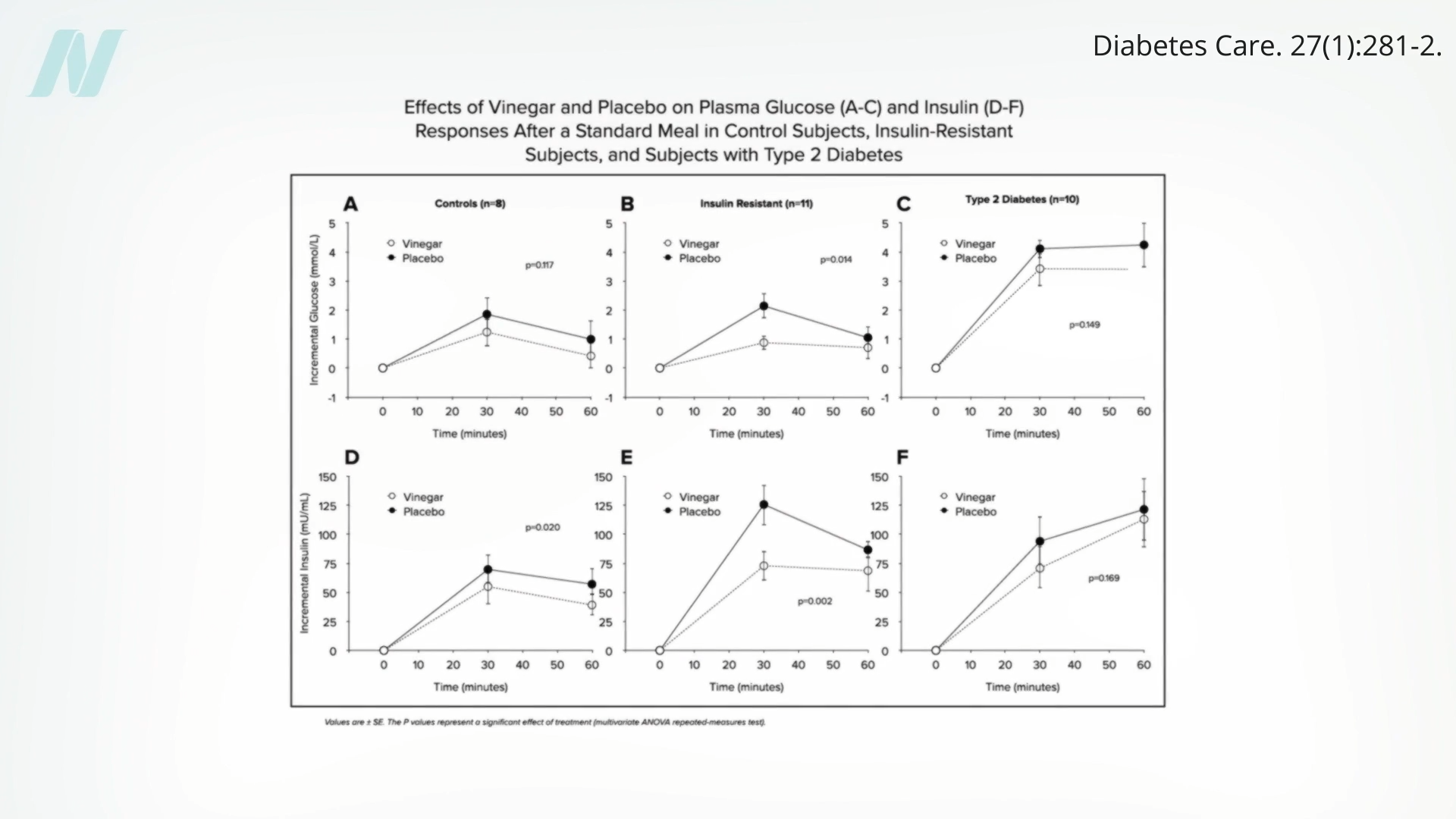
Does it work for potatoes, too? Simply chilling potatoes may cut down on the blood sugar and insulin spikes, but to get significant drops in both, you just have to add about a tablespoon of vinegar to drop levels by 30% to 40%. And that was just plain white distilled vinegar.
Is it the vinegar itself, or would any acidic condiment do? In a test tube, lemon juice appeared to have a remarkable starch-blocking effect, but you can’t know if it works in people until you put it to the test. And indeed, lemon juice reduces the glycemic responses to bread. And not just by a little, but by about 30%, as you can see below and at 2:50 in my video.
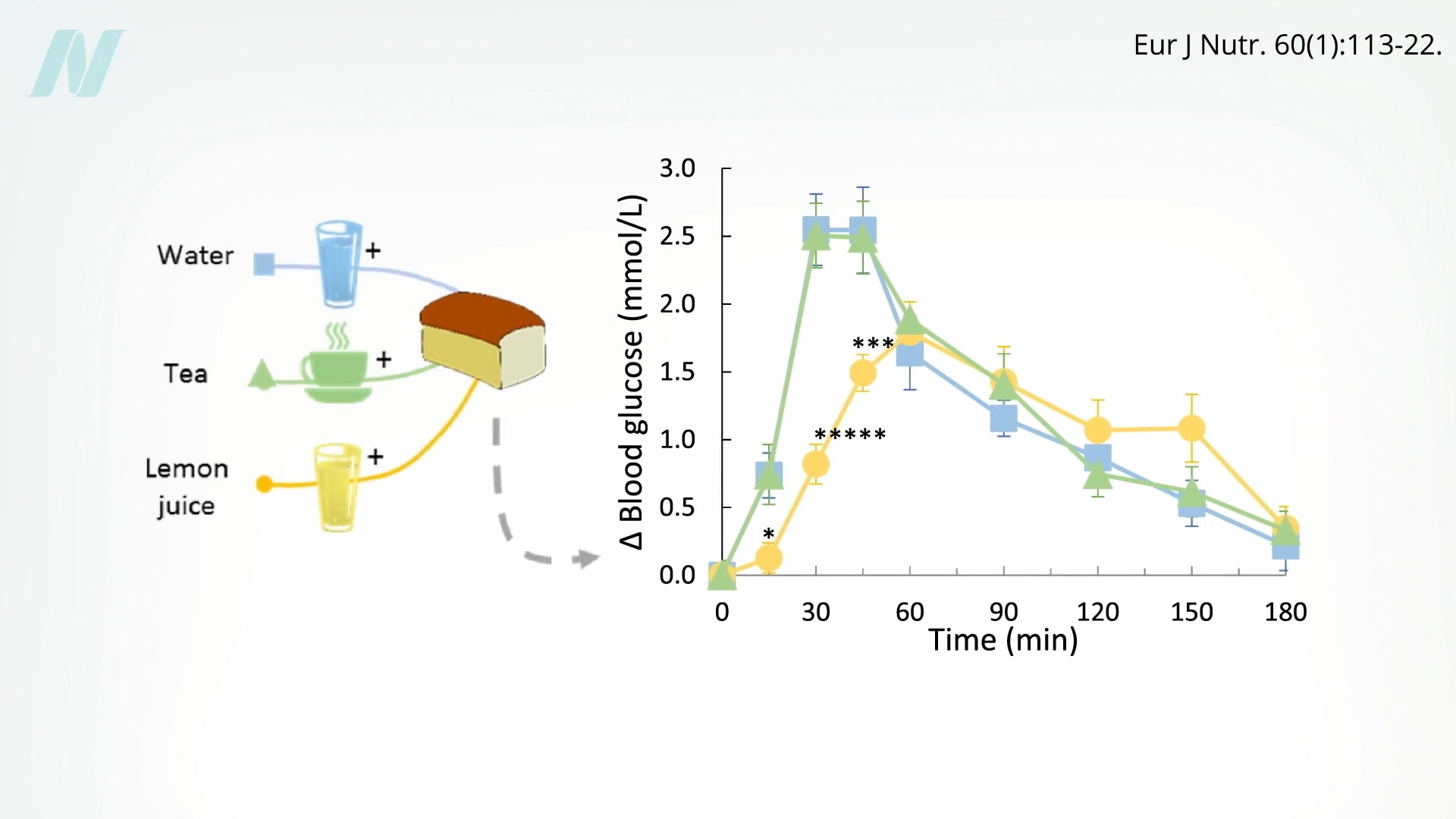
Now, the study participants were drinking a half cup of lemon juice, but that makes it even more remarkable that it was helpful because that added an extra half teaspoon of sugar, yet they still had a better blood sugar response. Vinegar is more potent, though. Just one to two tablespoons a day of vinegar diluted in water can significantly improve both short- and long-term blood sugar control in people with diabetes, which is why clinicians may want to include vinegar consumption as part of their dietary recommendations for their patients with diabetes.
Doctor’s Note
This is the fourth video in a five-part series on potatoes. Missed the first three? See:
- Do Potatoes Increase the Risk of Diabetes?
- Do Potatoes Increase the Risk of High Blood Pressure and Death?
- Glycemic Index of Potatoes: Why You Should Chill and Reheat Them
What about the glycoalkaloid toxins in potatoes? I cover that and discuss the best kind of potato in my upcoming final video in the series: The Healthiest Type of Potato.