50 Shades of Greens
Since both coronary heart disease and impotence can be reversed with a healthy diet, sexual dysfunction can be used as a motivator to change poor lifestyle habits.

Those eating a more plant-based diet may naturally have an enhanced antioxidant defense system to counter the DNA damage caused by free radicals produced by high-intensity exercise.
Dr. Greger has scoured the world’s scholarly literature on clinical nutrition, and developed this brand-new live presentation on the latest in cutting-edge research on how a healthy diet can affect some of our most common medical conditions.
The Director-General of the World Health Organization warns that we may be facing an end to modern medicine as we know it—thanks, in part, to the mass feeding of antibiotics to farm animals to accelerate growth.
Egg industry claims about egg safety found to be patently false, misleading, and deceptive by the U.S. Court of Appeals.
Dioxins, endocrine disrupting pollutants, heavy metals, saturated fat, and steroids in the meat supply may be affecting sperm counts, semen quality, and the ability of men to conceive.
About half of America’s trans fat intake now comes from animal products.
Handling chicken can lead to the colonization of one’s colon with antibiotic-resistant E. coli that may result in bladder infections in women.
Modest lifestyle changes that include the avoidance of alcohol may cut the odds of breast cancer in half, but certain grapes appear to contain natural aromatase inhibitors that may undermine the ability of breast tumors to produce their own estrogen.
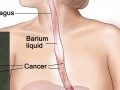
A randomized phase II clinical trial on the ability of strawberries to reverse the progression to esophageal cancer.
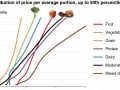
When measured on a cost-per-serving, cost-per-weight, or cost-per-nutrition basis, fruits and vegetables beat out meat and junk food.
Expanding on the subject of my upcoming appearance on The Dr. Oz Show, a landmark new article in the New England Journal of Medicine shows that choline in eggs, poultry, dairy, and fish produces the same toxic TMAO as carnitine in red meat—which may help explain plant-based protection from heart disease and prostate cancer.
Plant-based diets appear to offer relief from a variety of menstrual symptoms, including cramping, bloating, and breast pain (cyclical mastalgia).
Two theories about the buildup of subcutaneous fat, involving the chemical spermine and the hormone adiponectin, suggest a plant-based diet may help with cellulite.
The story behind the first U.S. dietary recommendations report explains why, to this day, the decades of science supporting a more plant-based diet have yet to fully translate into public policy.
Hundreds of thousands of Americans are Salmonella-poisoned by poultry every year—yet it remains legal to sell meat proven to be contaminated.
Plant-based diets in general, and certain plant foods in particular, may be used to successfully treat Parkinson’s disease—in part, by boosting L-DOPA levels.
The early onset of puberty in girls associated with animal protein consumption may be due to endocrine-disrupting chemical pollutants in the meat supply.
People eating conventional diets may ingest a trillion microparticles of the food-whitening additive, titanium dioxide, every day. What implication might this have for inflammation in the gut?
The consumption of cat and dog meat may be playing a role in “massive human rabies epidemics” in Asia. (Some people may find some of the concepts and images in this video disturbing.)
The polycyclic aromatic hydrocarbons in the vapors released from cooking meat may be hazardous for fetal development, and increase the risk of cancer.
The boost in detoxifying enzymes triggered by cruciferous vegetable consumption may last for weeks!
Garlic and flavonoid phytonutrients found in fruits, vegetables, nuts, and grains appear to protect against DNA damage induced by mutagenic chemicals found in cooked meat.
Using the cooked meat carcinogen PhIP to turn normal breast cells cancerous, researchers explore the use of green tea to interrupt this malignant transformation.
Even vegetarians could potentially be exposed to the carcinogens typically formed by cooking meat through eggs, cheese, creatine sports supplements, and cigarette smoke.
Those who eat meat risk food poisoning from undercooked meat, but also exposure to cooked meat carcinogens in well-cooked meat. By boiling meat, non-vegetarians can mediate their risk of both.
The cooked meat carcinogen PhIP—found in fried bacon, fish, and chicken—may not only trigger cancer and promote tumor growth, but also increase its metastatic potential, by increasing its invasiveness.
DNA-damaging chemicals, formed when meat is cooked, stimulate breast cancer cells almost as much as pure estrogen, and can infiltrate the ducts where most breast cancers arise.
Why the spike in antioxidant levels in our bloodstream after drinking apple juice might not be a good thing.
Meat and sugar increase uric acid levels, which are associated with increased risk of gout, hypertension (high blood pressure), obesity, prediabetes, diabetes, kidney disease and cardiovascular disease.
The foreign meat molecule Neu5Gc may not only contribute to the progression of cancer and heart disease by supplying inflammation, but may also set children up for life-threatening reactions to E. coli toxins originating in the same animal products.
The foreign meat molecule Neu5Gc builds up in human tumors and atherosclerotic plaques, and may play an inflammatory role in the progression of both diseases.
Cancer may use a molecule found in animal products to trick our immune system into feeding it with inflammation.
Plant-based diets may help rheumatoid arthritis by decreasing exposure to an inflammatory compound found in animal products.
This week Consumer Reports released a study showing the majority of retail pork tested was contaminated with antibiotic-resistant strains of the foodborne bacteria Yersinia enterocolitica.
Meat industry public relations campaign to “crush” myths makes false claim about the millions of pounds of antibiotics fed to farm animals.
Some foods appear protective against the development of skin wrinkles—while others may make them worse.
Concentrations of antibiotic residues vary between different edible muscle tissues in poultry.
What a few days eating vegetarian can do to the levels of antibiotics and phthalates flowing through one’s body.
Where do DDT, hexachlorobenzene, PCBs, and perfluorochemicals (linked to thyroid disease) concentrate in the food supply?