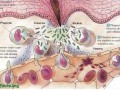
Prevention Is Better Than Cured Meat
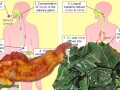
The levels of nitrosamines—considered the most carcinogenic agents in cigarette smoke—were recently measured in an array of processed meats including chicken, turkey, and pork.
Phytonutrients, such as vitamin C, prevent the formation of nitrosamines from nitrites—which explains why adding nitrite preservatives to processed meat can be harmful, but adding more vegetables, with their nitrite-forming nitrates, to our diet can be helpful.

The nitrite preservatives in processed meats such as bologna, bacon, ham, and hot dogs form carcinogenic nitrosamines, but also reduce the growth of botulism bacteria—forcing regulators to strike a balance between consumers risking cancer, or a deadly form of food poisoning.
Nitrites in processed meat form nitrosamines, a class of potent carcinogens found in cigarette smoke, which may explain why hot dog consumption has been associated with the two leading pediatric cancers, brain tumors and childhood leukemia.
If the nitrates in vegetables such as greens are health-promoting because they can be turned into nitrites, and then nitric oxide, inside our bodies, what about the nitrites added to cured meats—such as bacon, ham, and hot dogs?
Young infants, and perhaps those with recurrent oxalate kidney stones, should avoid beets. But most commonly, the chief side effect is beeturia, the harmless passage of pink urine, though not all are affected—akin to the malodorous urine (“stinky pee”) that sometimes results from asparagus consumption.
Since foods are effectively a package deal, what’s the best way to get vitamin B12 (cobalamin)?
The antioxidant power of American breakfast fare is compared to a smoothie that contains berries, white tea leaves, and Indian gooseberry (amla) powder.
Some herbs and spices—including cinnamon, cloves, lemon balm, marjoram, oregano, and peppermint—are so rich in antioxidants that just a small pinch can go a long way.
Biogenic amines such as spermine, cadaverine, and putrescine are chemical compounds of decay that may have adverse health effects. Which foods are most contaminated: beer, blue cheese, feta cheese, kimchi, miso, sardines, sauerkraut, sausage, soy sauce, tempeh, tuna, or wine?
A study of 15,000 American vegetarians suggests their lower chronic disease rates translate into fewer surgeries (including hysterectomies) and medications (including aspirin, sleeping pills, tranquilizers, antacids, pain-killers, blood pressure medications, laxatives, and insulin).
The longest running study on vegetarians suggests that those eating plant-based diets have lower rates of chemical, drug, and environmental allergies.
What is responsible for the rising prevalence of atopic diseases, such as food allergies, asthma, hay fever, and eczema?
500 foods were tested for advanced glycation end products (AGEs).
What dietary behaviors may cut the odds of developing of an abdominal aortic aneurysm (AAA) in half?
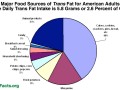
The intake of trans fats, which come mostly from junk food and animal products; saturated fat, mostly from dairy products and chicken; and cholesterol, coming mostly from eggs and chicken, should be as low as possible.
The average “bad” cholesterol (LDL) level in people having heart attacks is in the “near-optimal” range, suggesting that the current guidelines are too lax.
More than a thousand retail meat samples have been tested for methicillin-resistant Staphylococcus aureus (MRSA) contamination in North America.
Methicillin-resistant Staphylococcus aureus “superbug” found not only contaminating the U.S. retail meat supply, but isolated from air samples outside swine CAFOs.
An investigation finds 47% of U.S. retail meat tested is contaminated with staph (Staphylococcus) bacteria. Turkey appears most likely to harbor contagion.
The Sugar Association, Salt Institute, and American Meat Institute all railed against the new Dietary Guidelines for Americans.
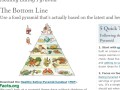
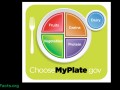
MyPlate represents a significant improvement over the USDA Food Guide Pyramid.
Following the recommendations of the 2010 Dietary Guidelines Advisory Committee to “shift food intake patterns to a more plant-based diet,” the latest USDA guidelines include a vegan adaptation.
The USDA Dietary Guidelines Committee stands accused of ignoring the science to justify its recommendation to eat meat.
Unlike the United States, where the agriculture department is the lead agency on formulating dietary recommendations, other countries such as Greece rely on their health department. What do their dietary guidelines look like?
The success story in Finland shows that science-based dietary guidelines can save millions of lives.
How have the Dietary Guidelines for Americans evolved over the years since they were first issued in 1980?
The mission of the U.S. Department of Agriculture is to promote agribusiness. At the same time, the USDA is the agency primarily tasked with developing the nutrition guidelines.
Chicken and eggs are the top sources of arachidonic acid in the diet—an omega-6 fatty acid involved in our body’s inflammatory response.
The purported role arachidonic acid plays in brain inflammation could explain why eliminating chicken, fish, and eggs may improve symptoms of mood disturbance, depression, anxiety, and stress within two weeks.
The top three sources of industrial toxins in the diet are fish oil, fish, and eggs.
Meat, animal protein, and soy milk can affect premature breast development in girls.
Rate your diet on a scale of 0 to 100 using the phytochemical index, and compare your score to the Standard American Diet.
On average, plant foods have 64 times more antioxidant power than red meat, poultry, fish, dairy, and eggs— but is it a fair comparison?
In the most extensive study of its kind ever published, the amount of anti-aging anticancer antioxidants is measured across thousands of different foods.