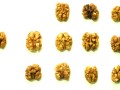
PREDIMED: Does Eating Nuts Prevent Strokes?
A randomized controlled trial found that a Mediterranean-type diet can dramatically lower the risk of subsequent heart attacks. How does it compare with plant-based diet data?
A randomized controlled trial found that a Mediterranean-type diet can dramatically lower the risk of subsequent heart attacks. How does it compare with plant-based diet data?

A randomized controlled trial found that a Mediterranean-type diet can dramatically lower the risk of subsequent heart attacks. How does it compare with plant-based diet data?

What was it about the diet on the Greek isle of Crete in the 1950s that made it so healthy?
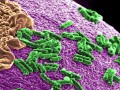
The toxic rotten egg gas hydrogen sulfide may explain why animal protein is associated with inflammatory bowel disease.

Employee wellness programs may help boost the corporate bottom line.

The reason those eating plant-based diets have less fat buildup in their muscle cells and less insulin resistance may be because saturated fats appear to impair blood sugar control the most.

The Paleolithic period represents just the last two million years of human evolution. What did our bodies evolve to eat during the first 90% of our time on Earth?
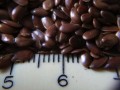
Extraordinary results reported in a rare example of a double-blinded, placebo-controlled, randomized trial of a dietary intervention (flaxseeds) to combat one of our leading killers, high blood pressure.

If foods like berries and dark green leafy vegetables have been found protective against cognitive decline, why aren’t they recognized as such in many guidelines?

Since many tumors take decades to grow it’s remarkable that cancer risk can so dramatically be reduced– even late in life.

We’ve known for a half century that plant-based diets are associated with lower diabetes risk, but how low does one have to optimally go on animal product and junk food consumption?

How might Big Butter design a study (like the Siri-Tarino and Chowdhury meta-analyses) to undermine global consensus guidelines to reduce saturated fat intake?

Dairy industry campaign to “neutralize the negative image of milkfat among regulators and health professionals as related to heart disease” seeks to undermine latest guidelines from the American Heart Association and the American College of Cardiology.
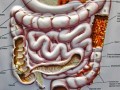
Diets centered around whole plant foods may help prevent Crohn’s disease through the benefits of fiber on the maintenance of intestinal barrier function and the avoidance of certain processed food additives such as polysorbate 80.

The sex steroids found naturally in animal products likely exceed the hormonal impacts of endocrine-disrupting chemical pollutants.

Plant-based diets appear to protect against renal cell carcinoma both directly and indirectly.

The deleterious effects of a Paleolithic diet appear to undermine the positive effects of a Crossfit-based high-intensity circuit training exercise program.

Chicken consumption is associated with more weight gain than other meat.

The role of the Mediterranean diet in preventing and treating dementia.

So much of the information about genetically modified crops is wrong—on both sides of the debate. What does the best available evidence have to say about the human health implications of Bt corn?

The FDA’s suggestion that the meat industry voluntarily stop feeding antibiotics by the ton to farm animals to fatten them faster falls short of the changes needed to forestall the epidemic of antibiotic resistance.

Sex steroid hormones in meat, eggs, and dairy may help explain the link between saturated fat intake and declining sperm counts.
Carcinogens in grilled and baked chicken may increase the risk of pancreatic cancer, while curcumin, the yellow pigment in the spice turmeric, may sometimes help even in advanced stages of the disease.

How can we protect our tooth enamel from the erosive natural acids found in sour foods and beverages?

How do the blood-pressure lowering effects of hibiscus tea compare to the DASH diet, a plant-based diet, and a long-distance endurance exercise?
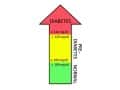
Lifestyle modification is considered the foundation of diabetes prevention. What dietary strategies should be employed, and why don’t more doctors use them?

Is the reversal of cellular aging Dr. Dean Ornish demonstrated with lifestyle changes due to the plant-based diet, the exercise or just to the associated weight loss?

Rural India has the lowest validated Alzheimer’s rates in the world. Is it due to the turmeric in their curry, or their largely plant-based diets?

Feed contaminated with toxic pollutants thought to originate from sewer sludge fed to chickens and fish results in human dioxin exposure through poultry, eggs, and catfish.

The cholesterol in eggs not only worsens the effects of saturated fat, but has a dramatic effect on the level of cholesterol and fat circulating in our bloodstream during the day.

Prediabetes is a disease in and of itself, associated with early damage to the eyes, kidneys, and heart. The explosion of diabetes in children is a result of our epidemic of childhood obesity. A plant-based diet may help, given that vegetarian kids grow up not only taller, but thinner.

Dr. Greger has scoured the world’s scholarly literature on clinical nutrition and developed this new presentation based on the latest in cutting-edge research exploring the role diet may play in preventing, arresting, and even reversing some of our leading causes of death and disability.

Over-activated TOR signaling may help explain the link between acne and subsequent risk for prostate and breast cancer.
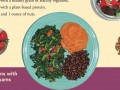
Kaiser Permanente, the largest U.S. managed care organization, publishes patient education materials to help make plant-based diets the “new normal” for patients and physicians.

Neurotoxins in chicken, such as the beta-carboline alkaloid harman, may explain the link between meat consumption and hand tremor, the most common movement disorder.

Grain consumption appears strongly protective against Alzheimer’s disease, whereas animal fat intake has been linked to dementia risk.

What effect do corporate sponsorships from food companies have on the American Academy of Family Physicians and the Registered Dietitian organization (formally known as the American Dietetic Association)?

Though the most concentrated sources of the toxic metal cadmium are cigarette smoke, seafood, and organ meats, does greater consumption from whole grains and vegetables present a concern?

How do sweet cherries compare to the drug allopurinol and a low-purine diet for the treatment of the painful inflammatory arthritis gout?

Sweet red Bing cherries may act as a selective COX-2 inhibitor, reducing inflammation without the damage to our stomach and gut lining caused by NSAID drugs like ibuprofen.