
Optimal Phytosterol Dose
Those eating plant-based diets get the most phytosterols, but there’s still room for improvement to maximize cholesterol reduction.
Those eating plant-based diets get the most phytosterols, but there’s still room for improvement to maximize cholesterol reduction.
Despite promising autopsy and population data suggesting that inadequate magnesium intake is a risk factor for sudden cardiac death, it wasn’t until recently that this was demonstrated in prospective studies.
Death in America is largely a foodborne illness. Focusing on studies published just over the last year in peer-reviewed scientific medical journals, Dr. Greger offers practical advice on how best to feed ourselves and our families to prevent, treat, and even reverse many of the top 15 killers in the United States.
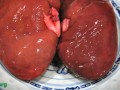
Given how vascular our kidneys are, it should comes as no surprise that animal protein, animal fat, and cholesterol are associated with declining kidney function (microalbuminurea—loss of protein in the urine), which can be an early warning sign not only for kidney failure, but also for heart disease and a shortened lifespan.
The high bacteria load in raw or cooked animal foods and fermented foods may trigger an endotoxemic surge of inflammation, which may be exacerbated by the presence of saturated animal fat.
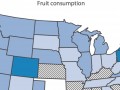
The Standard American Diet is worsening, and falls far from the CDC goals for minimal fruit and vegetable intake, with some states doing worse than others.

Breast cancer survivors may reduce their chances of survival if they eat too much trans fat, found primarily in the American diet in junk food and animal products.

Breast cancer survivors may reduce their chances of survival if they eat too much saturated fat, found primarily in the American diet in cheese, chicken, and junk food.
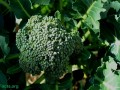
Eating broccoli appears to make DNA more resistant to damage.
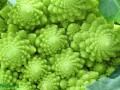
Comparing the immune system-boosting effect of cooked versus raw kale.
How meat scientists justify their promotion of foods associated with cancer risk.

The levels of nitrosamines—considered the most carcinogenic agents in cigarette smoke—were recently measured in an array of processed meats including chicken, turkey, and pork.

The nitrate in vegetables, which the body can turn into the vasodilator nitric oxide, may help explain the role dark green leafy vegetables play in the prevention and treatment of hypertension (high blood pressure) and heart disease.
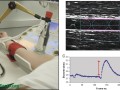
Antioxidants protect NO synthase—the enzyme that produces the artery-relaxing signal, nitric oxide. This may explain why those who eat especially antioxidant-rich plant foods have improved flow-mediated dilation of the brachial arteries.
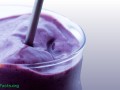
The antioxidant power of American breakfast fare is compared to a smoothie that contains berries, white tea leaves, and Indian gooseberry (amla) powder.
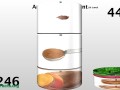
Some herbs and spices—including cinnamon, cloves, lemon balm, marjoram, oregano, and peppermint—are so rich in antioxidants that just a small pinch can go a long way.
What happens when the twin mandates of the USDA—to both promote agribusiness, and protect our nation’s health—come into conflict?

Survey reveals the vast majority of Americans are not eating healthy, even by U.S. Dietary Guideline standards.

Which country has the largest (and smallest) average stool size?
Rate your diet on a scale of 0 to 100 using the phytochemical index, and compare your score to the Standard American Diet.

In the most extensive study of its kind ever published, the amount of anti-aging anticancer antioxidants is measured across thousands of different foods.