
Where Does the Arsenic in Chicken Come From?
What was the National Chicken Council’s response to public health authorities calling for the industry to stop feeding arsenic-based drugs to poultry?
What was the National Chicken Council’s response to public health authorities calling for the industry to stop feeding arsenic-based drugs to poultry?

One way a diet rich in animal-sourced foods like meat, eggs, and cheese may contribute to heart disease, stroke, kidney failure, and death is through the production of toxin called TMAO.

Which appear more protective: fermented soy foods, such as miso and tempeh, or unfermented soy, like tofu and soy milk?

All plants produce “phytochelatins” to bind up heavy metals to protect themselves from the harmful effects, so what if we ate the plants?

The reason egg consumption is associated with elevated cancer risk may be the TMAO, considered the “smoking gun” of microbiome-disease interactions.

Whole plant sources of sugar and fat can ameliorate some of the postprandial (after-meal) inflammation caused by the consumption of refined carbohydrates and meat.

Miso is packed with sodium, which is linked to both stomach cancer and high blood pressure, so is it safe to consume?

What happened to women who were randomized to eat more meat and dairy during pregnancy? What effect does animal protein consumption have on cortisol and testosterone levels in men?

How the egg industry funded a study designed to cover up the toxic trimethylamine oxide reaction to egg consumption.

The benefits of taking a daily aspirin must be weighed against the risk of internal bleeding.
Is a plant-based diet sufficient to reach sodium goals?

Why do those eating plant-based diets appear to suffer less from morning sickness?
How might we prevent and reverse hypertension, the number-one risk factor for death in the world?

Learn why I recommend 250mg a day of a pollutant-free source of long-chain omega-3 fatty acids.

Overt omega-3 deficiency is rare, but do short-term experiments on cognitive function suggest there might be an optimal DHA dose?

What is the optimal source and amount of protein for senior citizens?

Single meals can affect testosterone and cortisol (stress hormone) levels. Some foods eaten regularly during pregnancy may even reprogram children’s responses to stress later in life.

Ninety percent of our exposure to the hormone-disrupting chemical bisphenol A (BPA) comes from certain components of our diet.

In this “best-of” compilation of his last four year-in-review presentations, Dr. Greger explains what we can do about the #1 cause of death and disability: our diet.

The highest levels of phthalates, hormone-disrupting plastics chemical pollutants, are found in meats, fats, and dairy.

Why has fish consumption been associated with cognitive impairment and loss of executive function?

Before drugs came along, the consumption of vinegar with meals was used as a folk remedy for diabetes, but it wasn’t put to the test until recently.

Organic chicken broth is popular with paleo diet advocates, but do tests indicate the presence of the toxic heavy metal lead?

Does maternal supplementation with the long-chain omega-3 fatty acid DHA improve psychomotor, mental, visual, or physical development of infants?

The improvement of arterial function on a whole food, plant-based diet appears so pronounced that cardiac patients can achieve a 90% reduction in angina attacks.

If copper is associated with Alzheimer’s disease, what about healthy, whole plant food sources such as nuts, seeds, beans, and whole grains?
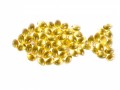
What’s the best way to fulfill the omega-3 essential fat requirements?

If the uric acid crystals that trigger gout come from the breakdown of purines, should gout patients avoid even healthy, purine-rich foods, such as beans, mushrooms, and cauliflower?

The concept that heart disease was rare among the Eskimos appears to be a myth.

How much green, white, black, and oolong tea can we consume before the benefits of tea start to be countered by the risks of lead contamination for children, pregnant women, and adults in general?

When placed head-to-head against the American Diabetes Association diet, how do plant-based diets fare in terms of not only blood sugar, body weight, and cholesterol control, but also mood and quality of life?

Fish and fish oil consumption do not appear to protect against heart disease, arrhythmias, or sudden death, but why would they increase cancer risk?
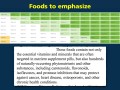
Based on the Dietary Guidelines for Americans, which foods best supply shortfall nutrients while avoiding disease-promoting components?
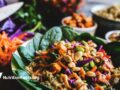
What would happen if you centered your diet around vegetables, the most nutrient-dense food group?

The most comprehensive controlled trial of diet and mood finds that a plant-based nutrition program in a workplace setting across ten corporate sites significantly improves depression, anxiety, and productivity.

While epidemics of chronic disease are currently by far our leading causes of death, global warming is considered a looming public health threat. How can we eat to combat dietary diseases and greenhouse gas emissions at the same time?

Potential culprits include the trans fat in meat, the saturated fat, cholesterol, heme iron, advanced glycation end products (glycotoxins), animal protein (especially leucine), zoonotic viruses, and industrial pollutants that accumulate up the food chain.
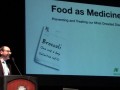
Dr. Greger has scoured the world’s scholarly literature on clinical nutrition and developed this new presentation based on the latest in cutting edge research exploring the role diet may play in preventing, arresting, and even reversing some of our most feared causes of death and disability.

The mercury content in fish may help explain links found between fish intake and mental disorders, depression, and suicide.
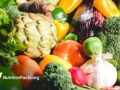
The parable of the tiny parachute explains the study that found no relationship between dietary fiber intake and diverticulosis.

